






Understanding the Impact on Your Gut
Antibiotics are designed to kill harmful bacteria, but they aren't very selective. In the process, they can also wipe out many of the beneficial bacteria that live in your gut. This community of microorganisms, known as the gut microbiome, plays a crucial
role in digestion, immunity, and overall health. When this delicate balance is disrupted, it can lead to common side effects like diarrhea, bloating, and nausea. The good news is that strategic food choices can help protect your gut, manage these side effects, and support a faster recovery.
Foods to Embrace: Probiotics and Prebiotics
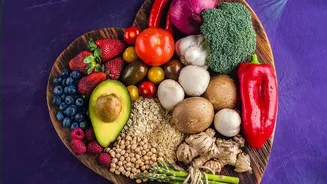
One of the best ways to support your gut during antibiotic treatment is by consuming foods rich in probiotics and prebiotics. Probiotics are live, beneficial bacteria found in fermented foods. They help repopulate the gut with healthy microbes. Excellent sources include yogurt, kefir, kimchi, and sauerkraut. Prebiotics, on the other hand, are the food for these good bacteria. They are types of fiber that stimulate the growth of your healthy gut flora. Foods rich in prebiotics include garlic, onions, bananas, asparagus, and whole grains.
Timing Is Key for Probiotics
If you choose to eat probiotic-rich foods or take a probiotic supplement, timing is important. Because antibiotics can kill the beneficial bacteria in probiotics, it's best to space them apart. The general recommendation is to wait at least two to three hours after your antibiotic dose before consuming probiotics. This simple scheduling tactic gives the probiotics a better chance of surviving and reaching your gut intact. Many experts also suggest continuing with probiotics for a few weeks after you finish your antibiotics to help your microbiome fully recover.
Foods to Approach with Caution
Some foods can interfere with how your body absorbs antibiotics, making them less effective. Calcium-rich foods like milk and cheese, as well as calcium-fortified foods like some orange juices and cereals, can be problematic for certain antibiotics like tetracyclines. It is often advised to consume these foods at least two hours after and six hours before your antibiotic dose. Grapefruit and grapefruit juice should also be avoided, as they contain compounds that can prevent the body from properly absorbing certain medications. It is also wise to put alcoholic beverages on hold, as mixing them with some antibiotics can cause severe nausea and other unpleasant side effects.
A Surprising Foe: Sugar
Recent research published in late September 2026 has shed new light on the role of sugar during antibiotic treatment. A study published in the journal Nature suggests that consuming sugary foods and drinks may worsen the harm antibiotics do to the gut microbiome. The research found that a high sugar intake was linked to a significant reduction in the diversity of healthy gut bacteria in patients taking antibiotics. It also appeared to encourage the growth of potentially harmful bacteria. Based on these findings, researchers suggest that avoiding or reducing sweets while taking antibiotics could be a key strategy to protect your gut health.
Restoring Balance After Treatment
Your gut-friendly diet shouldn't stop when your last pill is gone. Continuing to eat a diet rich in high-fiber and fermented foods can help your microbiome continue to rebuild. Studies have shown that diets high in fiber help restore healthy gut bacteria and can even reduce the growth of some harmful ones. In contrast, a Western-style diet, typically high in processed foods and low in fiber, has been shown to hinder microbiome recovery after antibiotics. Focusing on whole foods, vegetables, and fiber is a powerful way to ensure your gut returns to a strong, balanced state.