
An Earthenware Renaissance
The return to terracotta is about much more than just aesthetics; it's a conscious choice reflecting a desire for authenticity, sustainability, and a connection to cultural roots. For a generation of young Indians who value eco-friendly living, terracotta offers
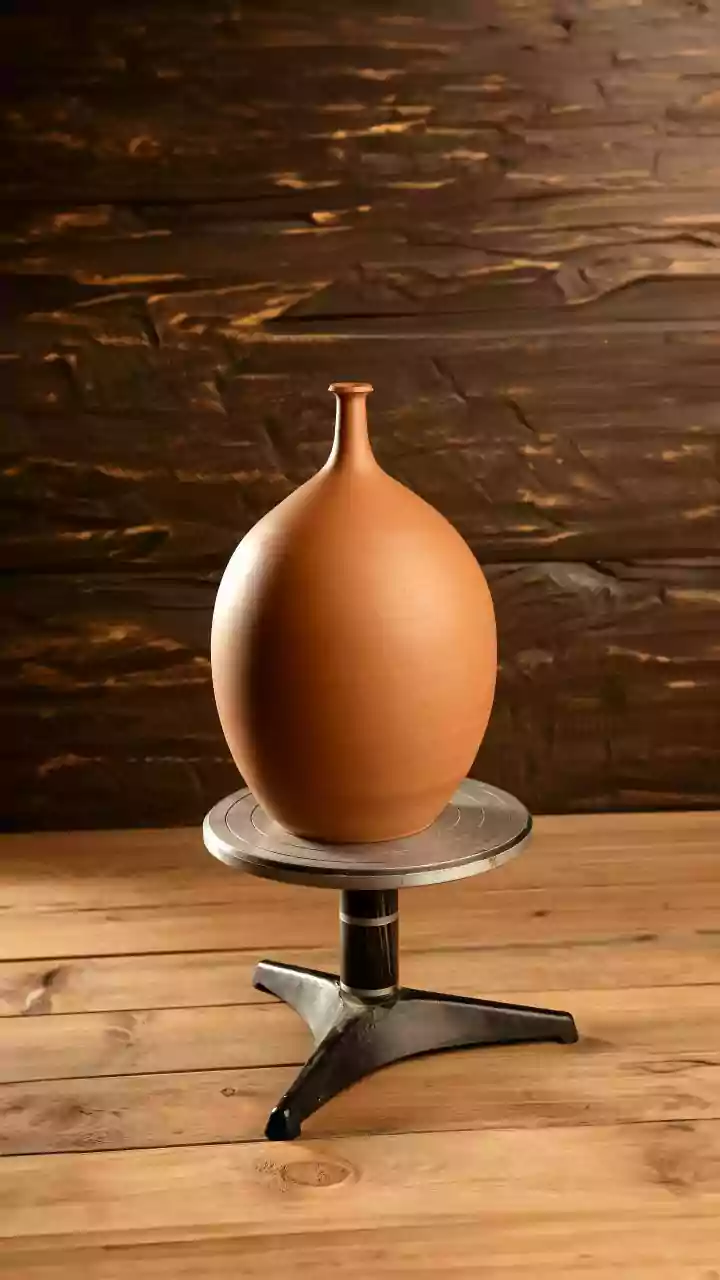
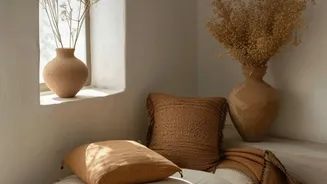
a beautiful, biodegradable alternative to plastics and mass-produced goods. This trend taps into a collective nostalgia for the simplicity and wisdom of older generations, while also aligning with modern values. The appeal lies in its imperfect, handcrafted nature, where each piece tells a story of its own. This shift away from cold minimalism towards warmer, more grounded interiors is finding its perfect expression in the rustic charm of clay.
Essential Terracotta for a Modern Kitchen
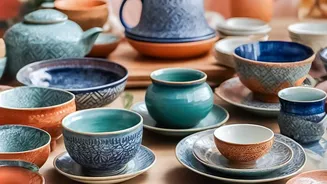
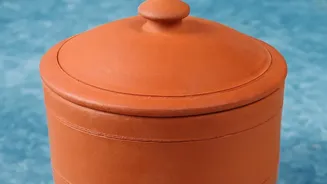
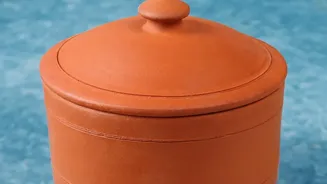
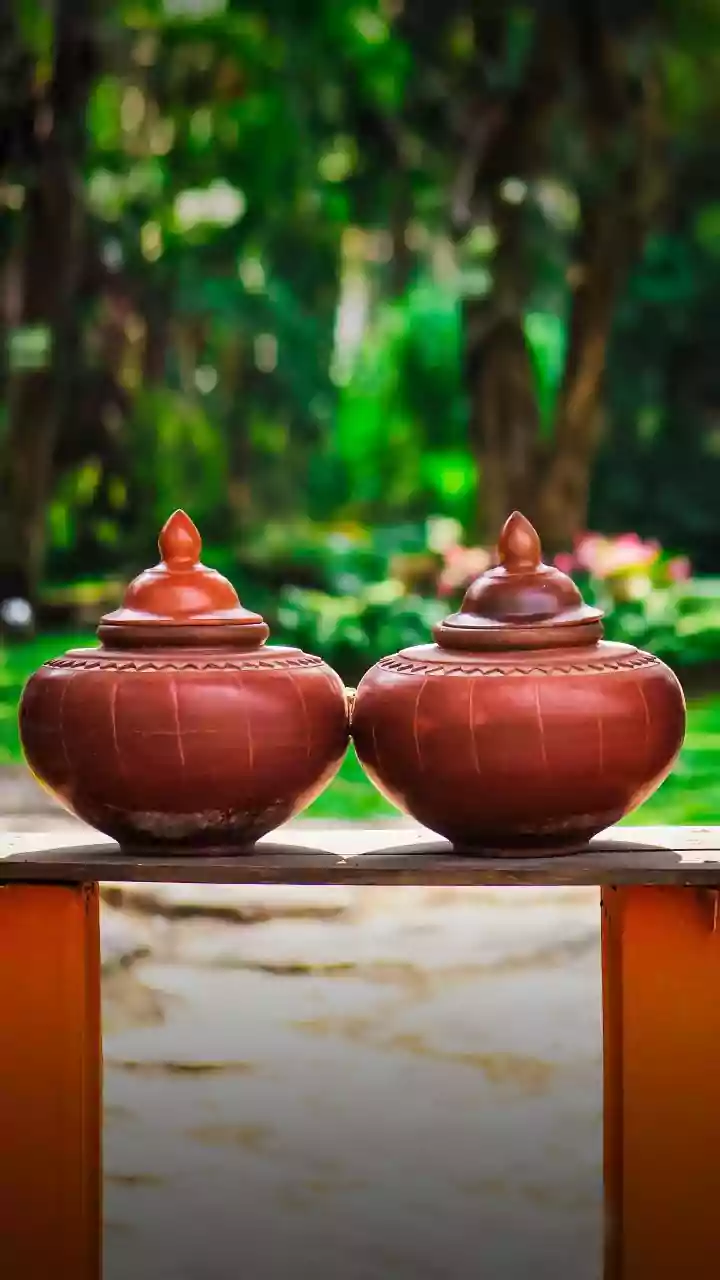
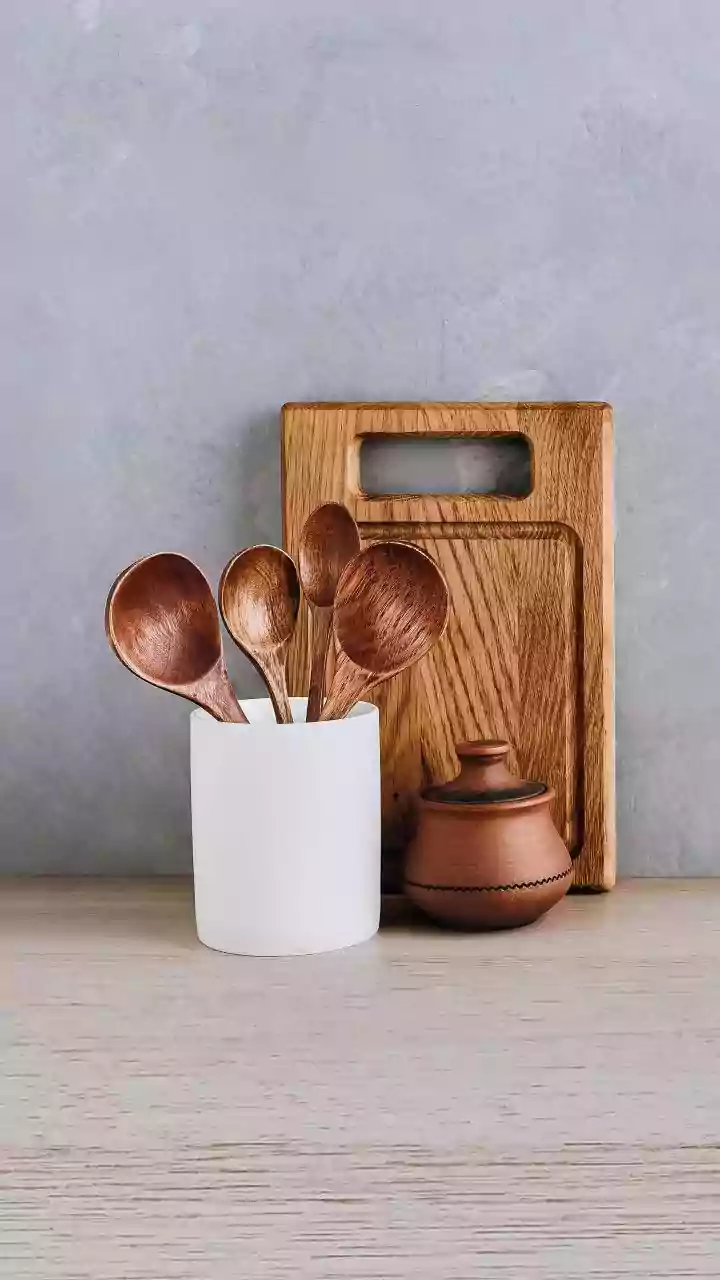
While the classic water pot, or matka, remains a staple for its natural cooling properties, the modern terracotta revival includes a wide array of items. Handcrafted dinner sets, serving bowls, and 'kulhad' style cups bring an artisanal touch to the dining table. For cooking, terracotta kadhais and handi s are gaining popularity. Their porous nature allows for slow, even cooking that retains the moisture and nutrients in food. You can also find smaller items like curd setters, storage canisters, utensil holders, and even pizza platters, making it easy to introduce the material in small, impactful ways.
Styling Terracotta with a Contemporary Twist
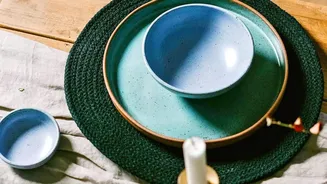
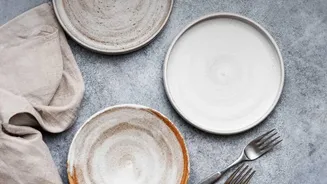
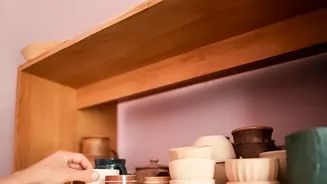
Integrating terracotta into a modern kitchen without it looking dated is all about balance. The key is to create a visual contrast between the rustic texture of the clay and sleek, contemporary elements. Pair terracotta serveware with clean-lined cabinetry and minimalist hardware. The warm, earthy tones of terracotta look stunning against neutral backdrops like creamy whites, soft greys, and beiges. For a bolder look, combine it with deep greens or blues. Open shelving is a perfect way to display a curated collection of terracotta pots and pans, turning everyday items into a decorative feature. Mixing these earthy pieces with materials like brass, matte black fixtures, or smooth marble countertops creates a sophisticated space that feels both timeless and current.
The Practical Perks of Clay
Beyond its visual appeal, using terracotta in the kitchen comes with a host of functional benefits. Cooking in clay pots is a healthier choice, as their natural non-stick surface often requires less oil. The slow, even heat distribution is ideal for dishes like curries, biryanis, and stews, enhancing their flavour and aroma as the clay locks in steam and nutrients. Storing water in a terracotta pot or bottle is known to cool it naturally through evaporation. Furthermore, clay is alkaline in nature, which can help in neutralizing the pH balance of acidic foods, making them easier to digest.
Caring for Your Terracotta Treasures
Handcrafted terracotta requires a little special care to ensure its longevity. Before the first use, many cookware items need to be 'seasoned' by soaking them in water for several hours to strengthen the clay. It’s crucial to avoid sudden temperature changes, known as thermal shock, which can cause cracks. Never place a hot pot on a cold surface or pour cold water into a hot dish. For cleaning, always use a soft sponge and mild soap, as harsh detergents and dishwashers can damage the porous surface. Allow your terracotta pieces to air dry completely before storing them to prevent any mould growth, ensuring they remain a cherished part of your kitchen for years.