






What is the Skin Barrier?
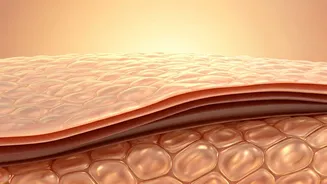
Think of your skin’s outermost layer, the stratum corneum, as a brick wall. The bricks are your skin cells (corneocytes), and the mortar holding them together is a mix of lipids like ceramides, cholesterol, and fatty acids. This structure, your skin barrier,
has two critical jobs: locking moisture in and keeping harmful pollutants, irritants, and bacteria out. A healthy, intact barrier results in skin that feels soft, hydrated, and resilient. The new “barrier-first” approach prioritizes protecting this vital shield above all else. It’s a shift from aggressive treatments to creating a foundation of calm, strong skin.
The Rise of Over-Exfoliation
The obsession with achieving a perfect, poreless glow has led many of us down a path of over-exfoliation. With powerful alpha-hydroxy acids (AHAs), beta-hydroxy acids (BHAs), retinoids, and physical scrubs readily available, it's easy to overdo it. The belief that more is more has resulted in a quiet epidemic of compromised skin barriers. Dermatologists report seeing an increasing number of patients with irritation caused by using too many strong products at once. The irony is that many issues people try to fix with exfoliation—like breakouts and rough patches—can actually be caused by it.
Signs of a Damaged Barrier
How do you know if you've gone too far? A damaged barrier sends clear signals. One of the first signs is when products you’ve used for months suddenly start to sting or burn. Other common symptoms include persistent redness, inflammation, and a feeling of tightness, even right after applying moisturizer. Your skin might also become dry, flaky, or develop small, rough bumps and breakouts. Instead of a healthy glow, over-exfoliated skin can take on a waxy, overly shiny appearance that is actually a sign of distress.
How to Heal and Repair
If this sounds familiar, the first step is to simplify. Immediately pause all exfoliating products—this includes acids, scrubs, and even strong retinoids—for at least one to two weeks. Switch to a gentle, non-foaming cleanser that won't strip your skin’s natural oils. Your routine should focus on calming and hydrating. Wash with lukewarm, not hot, water, and pat your skin dry instead of rubbing it. The goal is to give your skin a break so its natural healing processes can take over.
Barrier-Boosting Ingredients to Look For
When your barrier is compromised, your skincare should act as a support system. Look for products rich in ingredients that mimic the skin’s natural structure. Ceramides are non-negotiable, as they are the very lipids that help form the 'mortar' of your skin. Niacinamide (a form of vitamin B3) is another hero, as it not only calms inflammation but also helps your skin produce more of its own ceramides. Humectants like hyaluronic acid and glycerin pull moisture into the skin, while soothing ingredients like panthenol (pro-vitamin B5) and Centella asiatica can reduce redness and irritation.
Reintroducing Exfoliation Safely
Barrier-first skincare doesn't mean giving up exfoliation forever. It means treating it as a strategic tool rather than a daily necessity. Once your skin feels calm, hydrated, and comfortable—which could take a few weeks—you can slowly reintroduce an exfoliant. Start with a gentle option, like a PHA or lactic acid, just once or twice a week. Pay close attention to how your skin responds. If any stinging or redness returns, pull back. The key is to find a balance that maintains your glow without compromising the health of your skin's most important defense.