

Antioxidants: Your Body's Tiny Guardians
Before we dive into cooking methods, let's talk about why antioxidants are so important. Think of them as your body's personal security team. They are natural compounds found in foods, especially fruits and vegetables, that help protect our cells from
damage caused by unstable molecules called free radicals. This cellular protection is linked to preventing chronic diseases and promoting overall health. Vegetables are packed with a wide array of these beneficial compounds, including things like polyphenols, carotenoids, and crucial vitamins like Vitamin C. The challenge, however, is that many of these delicate structures are sensitive to heat and water.
The Trouble with Boiling
For generations, boiling has been a go-to method for cooking vegetables. It's simple and effective at making them tender. Unfortunately, it can be devastating for their nutritional content. When vegetables are submerged in hot water, many of their water-soluble nutrients, like Vitamin C and B vitamins, leach out into the water. One study noted that boiling can cause a loss of Vitamin C anywhere from 15 to 55 percent. Boiling has also been found to significantly reduce total polyphenol and flavonoid content in most vegetables. So, when you drain that water away, you're often pouring a significant portion of the vegetable's goodness right down the sink.
The Gentle Power of Steam
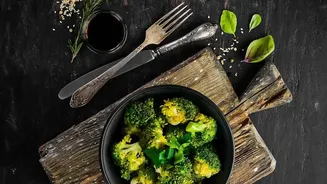
This is where steaming shines. Unlike boiling, steaming cooks vegetables with hot water vapour, not by submerging them. This indirect contact with water is the key to its success. Since the vegetables aren't swimming in water, there's far less opportunity for those precious water-soluble vitamins and antioxidants to escape. Research has consistently shown that steaming is one of the best cooking methods for preserving nutrients. For example, one study found that steaming was the only cooking method that preserved, and even increased, the cancer-fighting compounds called glucosinolates in broccoli. Another found that steaming increased the average polyphenol content in vegetables by over 50%, whereas boiling decreased it by nearly 40%.
More Than Just Preservation
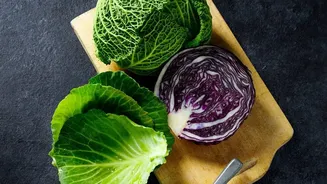
Interestingly, gentle cooking like steaming can sometimes make antioxidants more available to our bodies than when eaten raw. The heat helps to break down the tough cell walls of the plant, which can release more of the beneficial compounds trapped inside. Studies have found that cooking vegetables like carrots, spinach, and cabbage can provide more antioxidants like carotenoids to the body than when those same vegetables are eaten raw. Steaming hits the sweet spot: the heat is gentle enough to avoid destroying most nutrients but effective enough to make them more accessible for your body to absorb. It's a win-win for flavour and nutrition.
Vegetables That Love a Steam Bath
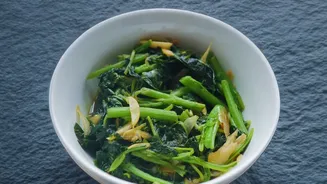
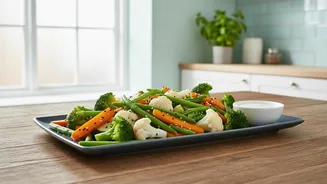
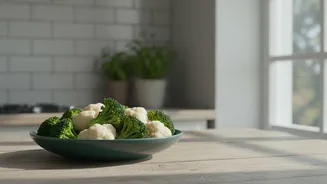
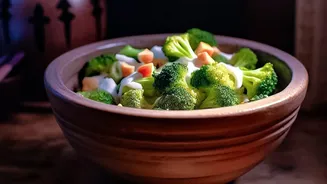
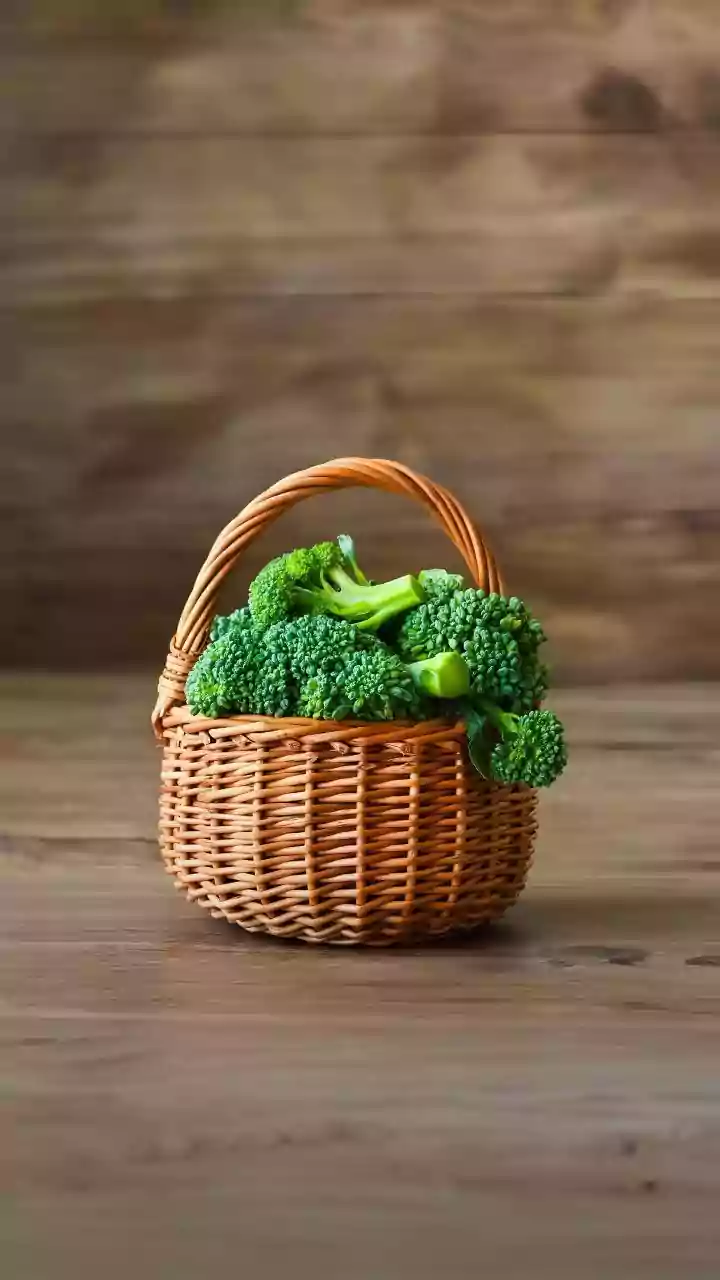
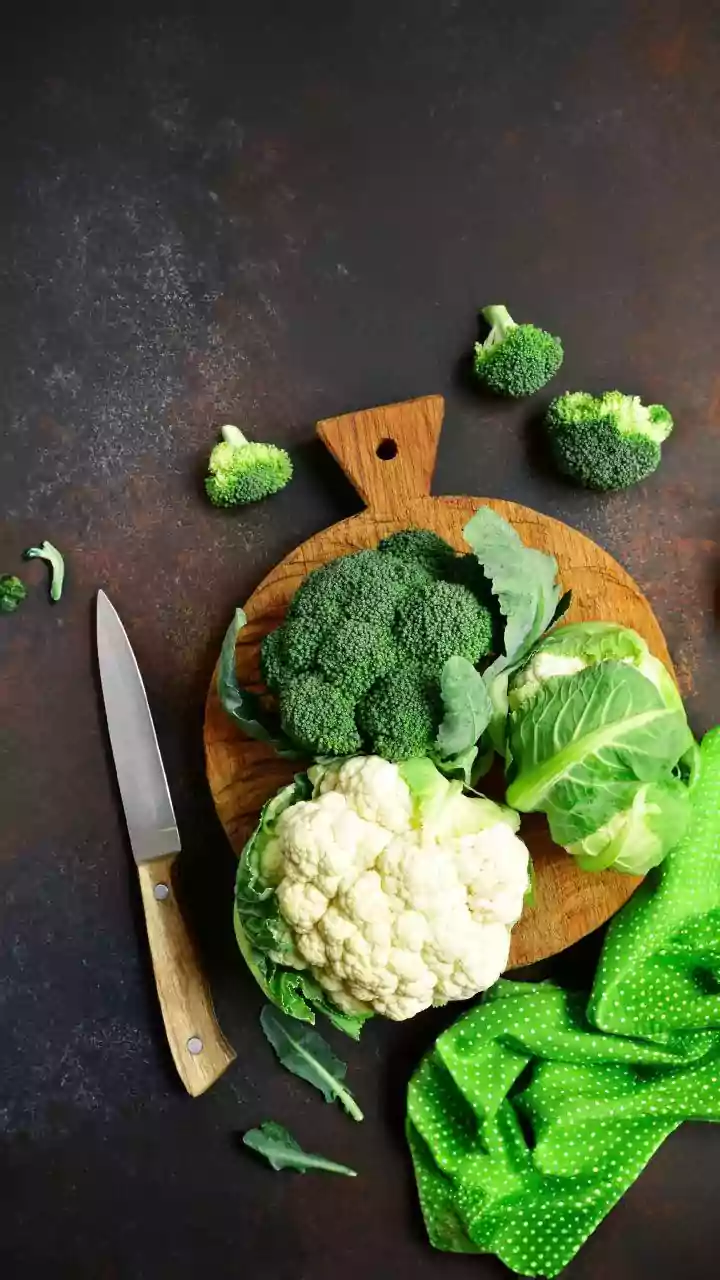
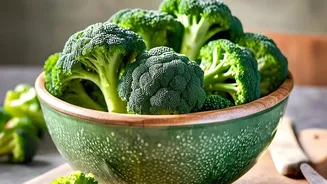
While most vegetables benefit from steaming, some are particular standouts. Broccoli is perhaps the most-studied, with steaming shown to be superior for retaining its unique compounds like sulforaphane and glucosinolates. Other great candidates include leafy greens like spinach, which retains more folate when steamed compared to boiled, as well as carrots, asparagus, cauliflower, and green beans. Even root vegetables like potatoes and carrots become sweet and tender, retaining more of their nutrients than if they were boiled. The goal is to cook them until they are tender-crisp—bright in colour and still with a slight bite. This is usually the best indicator that you've maximised both flavour and nutrient retention.