



The Rise of the Intentional Solo Diner
Dining out has traditionally been framed as a social activity, a reason to gather with friends, family, or a partner. For years, asking for a “table for one” often felt like an exception, sometimes met with a slightly puzzled look. However, a significant
cultural shift is underway. Solo dining is no longer a last resort but an intentional choice for many, especially among younger generations. In bustling urban centres across India, professionals living independently, remote workers with flexible schedules, and individuals simply seeking a moment of peace are driving this change. What was once seen as lonely is now viewed as a form of self-care—an opportunity to enjoy a good meal and one’s own company without social obligations. This growing confidence among single diners, particularly in cities like Delhi and Mumbai, is pushing restaurants to see the solo guest not as an operational challenge, but as a valuable and growing customer base.
Designing for One: Beyond the Bar Stool
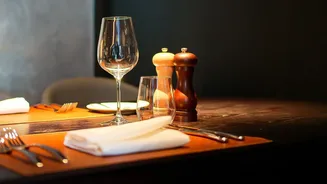
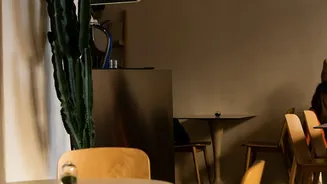
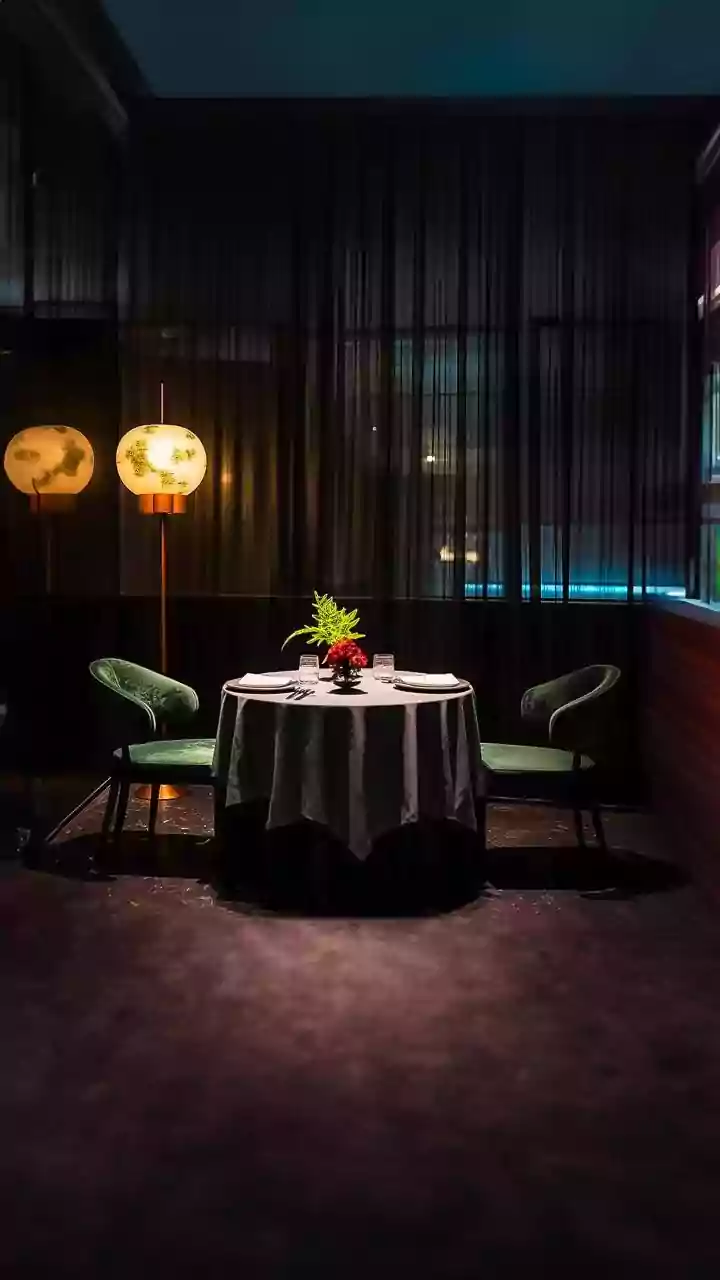
So, how are restaurants adapting? The changes go far beyond simply offering a seat at the bar. Smart design is about creating spaces that feel comfortable and natural for an individual. This includes installing counters that face a window for people-watching, creating cosy nooks or individual walled booths that offer privacy, and utilizing smaller two-top tables in quieter corners. Communal tables are also making a major comeback. These large, shared tables remove the stigma of sitting alone by creating a sense of community, allowing a solo diner to feel part of a lively atmosphere without pressure to interact. In India, some establishments are getting creative, leaving card games or doodling books at solo tables to entertain guests. The key is attentive yet non-intrusive service, where staff are trained to read a diner's cues, understanding that some may want a chat while others prefer silence.
The Economic Sense of Small Spaces
This redesign isn't just about good hospitality; it's a savvy business strategy. In the competitive restaurant industry, particularly in high-rent urban areas, space is money. Catering to solo diners allows for much greater seating efficiency. A large table occupied by a single person is an inefficient use of floor space, but a layout with a mix of seating options—including communal tables and single spots—maximises the number of guests a restaurant can serve, especially during peak hours. Furthermore, solo diners often turn tables faster, which can increase hourly revenue. They are also a loyal demographic. A restaurant that provides a welcoming and comfortable experience for a person dining alone is likely to become their go-to spot, ensuring repeat business. Menus are also adapting, with more restaurants offering smaller tasting portions or curated prix-fixe meals for one, reducing waste and allowing individuals to sample multiple dishes.
Technology and the Modern Solo Experience
Technology plays a crucial role in enhancing the solo dining experience. The modern solo diner often arrives with a smartphone, which can act as a dining companion, a book, or a source of entertainment. Recognising this, many new restaurant designs incorporate convenient charging stations or USB ports at bars and individual seating areas. Tech integration also streamlines service. QR-code menus and table-side ordering systems allow individuals to browse, order, and pay at their own pace without feeling rushed or needing to flag down a busy server. This frictionless experience respects the solo diner's time and preference for a seamless, quiet meal, making them feel empowered and in control of their dining journey. This blend of thoughtful design and integrated technology is proving to be a winning formula for the new wave of restaurateurs.