






Understanding Your Body's Clock
Deep inside your brain is a 'master clock' known as the circadian rhythm. This 24-hour internal timer governs everything from your sleep-wake cycle to hormone release and, crucially, your digestion. It takes its cues primarily from light, telling your body
when to be active and when to rest. During the day, your metabolism and digestive system are primed for action, efficiently processing food for energy. At night, these systems naturally slow down, shifting into a repair and recovery mode.
When Shift Work Disrupts the Rhythm
Shift work forces your body to operate against its natural programming. When you are awake, working, and eating while your internal clock is sending 'time to sleep' signals, a state of misalignment occurs. This confuses your body's metabolic processes. Research shows that even if you eat the exact same foods, consuming them at night can have a negative impact. Your body is less efficient at processing sugars and fats, which can lead to higher blood glucose and cholesterol levels over time. This disruption is a key reason why shift workers have an increased risk for conditions like obesity, diabetes, and cardiovascular disease.
The Problem with Mismatched Meals
The discomfort of indigestion and the frustration of weight gain are common complaints among shift staff, and this biological mismatch is often the culprit. At night, your digestive system is not prepared for a heavy workload. Gastric motility, the muscular contractions that move food along, slows down. Eating a large meal can overwhelm this slowed system, leading to indigestion, bloating, heartburn, and constipation. Simultaneously, since your body is in 'storage' mode, the calories from late-night meals are more likely to be stored as fat, contributing to weight gain. Sleep deprivation, a common side effect of shift work, also alters hunger hormones, increasing cravings for high-calorie, sugary foods.
What is Circadian Eating?
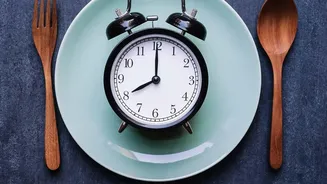
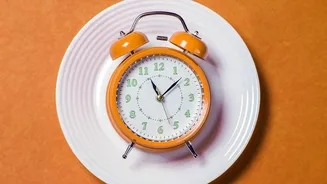
Circadian eating, also called chrononutrition, is a strategy to work with your body's clock, not against it. The goal is to time your meals to align with your body's most active and efficient metabolic periods, even when your work schedule is unconventional. It’s about structuring your eating window to give your digestive system a predictable routine and a significant period of rest. For shift workers, this doesn't mean you must starve yourself at night, but rather that you should be more strategic about when you eat your main meals versus lighter snacks.
Practical Tips for Shift Workers
Adopting a circadian-friendly eating schedule takes planning, but can make a significant difference. Try to have your main, most substantial meal before your shift begins. During your shift, especially between midnight and 6 a.m., focus on smaller, lighter meals or healthy snacks. This reduces the load on your digestive system when it's least active. Aim to create an 'eating window' and a 'fasting window' of about 10-12 hours. For example, if you eat before your shift at 7 p.m., try to finish all your eating by 5 a.m. to give your gut a long rest. Staying well-hydrated with water is also crucial for alertness and digestion.
Choosing the Right Foods
During your shift, opt for foods that are easy to digest but provide sustained energy. Focus on lean proteins, complex carbohydrates, and fibre. Good options include hard-boiled eggs, yoghurt, nuts, whole-grain sandwiches or crackers, fruits, and vegetables. Avoid heavy, greasy, fried, or highly sugary foods, as these are harder to digest and can cause energy crashes and discomfort. Planning your meals and snacks in advance can help you avoid the temptation of vending machine junk food.