

The Undeniable Pull of Savings
The most significant driver behind the surge in shared intercity travel is simple economics. With rising fuel prices, the cost of driving alone between cities has become prohibitively expensive for many. Carpooling and shared taxis allow passengers to
split expenses like fuel and tolls, making the journey significantly cheaper than booking a private taxi and often competitive with train or bus fares. For car owners, it's a way to offset their own travel costs by filling empty seats. Platforms have streamlined this process, suggesting fair contributions and handling payments digitally, which removes the awkwardness of discussing money. This financial incentive is a powerful motivator, turning what was once an informal practice among friends into a mainstream, scalable solution for millions seeking affordable travel.
Technology Makes It All Click
The boom in shared mobility would be impossible without India's deep smartphone penetration and digital infrastructure. Apps like BlaBlaCar, sRide, and others have transformed carpooling from a matter of chance to a reliable, on-demand service. These platforms act as digital marketplaces connecting drivers with empty seats to passengers heading in the same direction. Features such as verified profiles, user ratings, and real-time GPS tracking have built a foundation of trust and safety that was previously lacking. With nearly all bookings happening via mobile, users can find a ride in minutes. The integration of UPI and other digital payment systems has further simplified transactions, making the entire experience seamless from start to finish.
A New Definition of Convenience
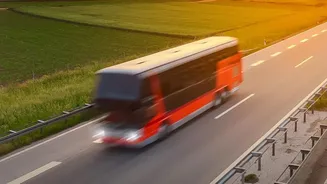
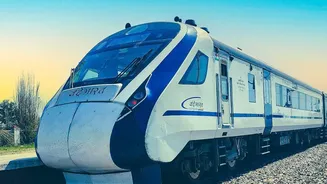
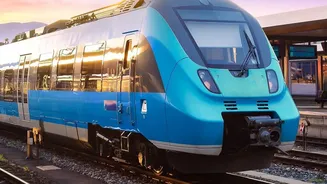
Beyond cost, modern commuters are placing a high value on comfort and convenience, and shared travel often delivers a superior experience compared to traditional public transport. Intercity trains are frequently overbooked and buses can be crowded. Shared rides offer a more comfortable and less stressful alternative. Many services provide door-to-door or point-to-point transit, eliminating the hassle of first- and last-mile connectivity that plagues bus and train travel. A recent survey highlighted that many travellers, even those who own cars, prefer not to drive for intercity journeys to avoid the stress of long-distance driving. This desire for a more relaxed journey is a key reason why many are willing to share a ride with strangers.
Filling the Gaps in Connectivity
India is a vast country, and public transport infrastructure, while extensive, doesn't serve every town and route efficiently. Shared mobility has stepped in to fill these crucial gaps. Carpooling platforms are seeing significant growth not just on major trunk routes like Pune-Mumbai, but also on hundreds of smaller corridors connecting Tier-2 and Tier-3 cities that are underserved by rail and have limited bus services. This makes shared travel an essential service for students heading home for the weekend, professionals commuting between regional hubs, and families visiting relatives, providing a flexible and often faster alternative where none previously existed.
The Social and Environmental Factor
While not the primary driver for everyone, the social and environmental benefits of carpooling add to its appeal. For the predominantly young user base—with around 70% of users aged 18-34—the concept of a 'sharing economy' is second nature. The journey becomes an opportunity to network or simply have a pleasant conversation. Furthermore, as awareness about air pollution and climate change grows, the eco-friendly aspect of carpooling resonates with many. Every shared ride means fewer cars on the road, which leads to reduced traffic congestion, lower fuel consumption, and a smaller collective carbon footprint. This makes carpooling a choice that is not only good for the wallet but also for the environment.