





Hailed as the 'miracle tree', moringa has become a wellness staple. But what lies beyond the hype? This guide offers a balanced look at its nutritional profile, potential benefits, and how to safely make it a part of your everyday diet.
What Exactly is Moringa?
Moringa oleifera,
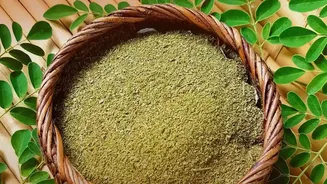
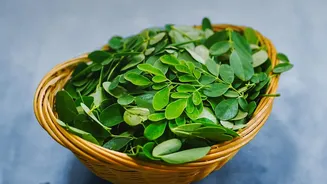
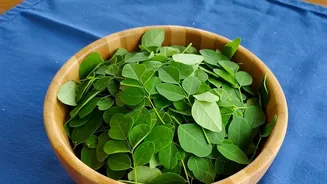
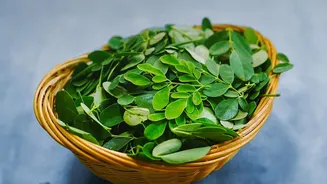
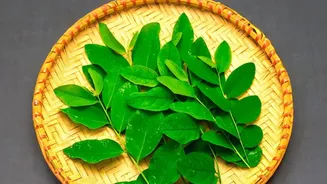
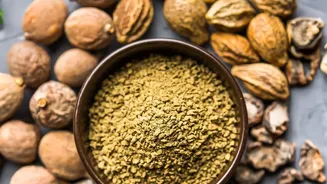
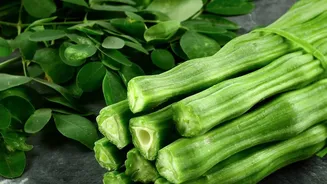
often called the 'drumstick tree', is a plant native to the Himalayan foothills in India. For centuries, its leaves, pods, and seeds have been used in traditional medicine and as a food source across Asia and Africa. While many parts of the tree are edible, the leaves are the most common part used for health purposes, typically dried and ground into a fine green powder. This powder has a mild, earthy taste often compared to spinach or matcha, making it a versatile ingredient. Its ability to thrive in harsh, dry conditions has also made it a valuable crop for improving nutrition in developing countries.
A Nutritional Powerhouse
Moringa's reputation as a superfood comes from its dense nutritional content. The leaves are packed with essential vitamins and minerals, including vitamins A, C, and E, as well as calcium, potassium, and iron. It is also a source of complete plant protein, containing all eight essential amino acids, which is rare for a plant-based food. Furthermore, moringa is rich in antioxidants like quercetin and other polyphenols. These compounds are important because they help protect the body's cells from damage caused by free radicals, a process known as oxidative stress, which is linked to chronic inflammation and various diseases.
The Science-Backed Benefits
While some claims about moringa are exaggerated, scientific studies suggest several promising health benefits. Research indicates that its anti-inflammatory compounds may help reduce inflammation in the body. There is also emerging evidence that moringa may help regulate blood sugar levels, with some small human trials showing it can lower post-meal glucose spikes in people with type 2 diabetes. Other studies suggest it can contribute to heart health by helping manage cholesterol levels. It is important to note that much of the research is still preliminary, and moringa should be seen as a supplement to a healthy lifestyle, not a cure-all.
A Note of Caution
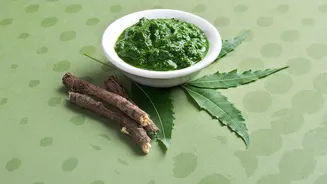
A balanced look means acknowledging potential risks. For most people, moringa leaf powder is generally safe when consumed in food doses. However, taking too much can lead to digestive issues like nausea, gas, or diarrhea. It is crucial to only consume the leaves, seeds, and pods; the root and bark are not considered safe to eat. Certain individuals should exercise caution. Pregnant women are advised to avoid moringa, as some parts of the plant may stimulate uterine contractions. People taking medications for blood pressure, diabetes, or thyroid conditions should consult their doctor before adding moringa to their routine, as it could interact with their treatment.
Easy Ways to Use Moringa Powder
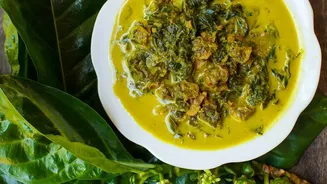
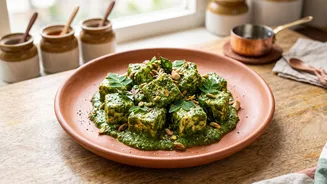
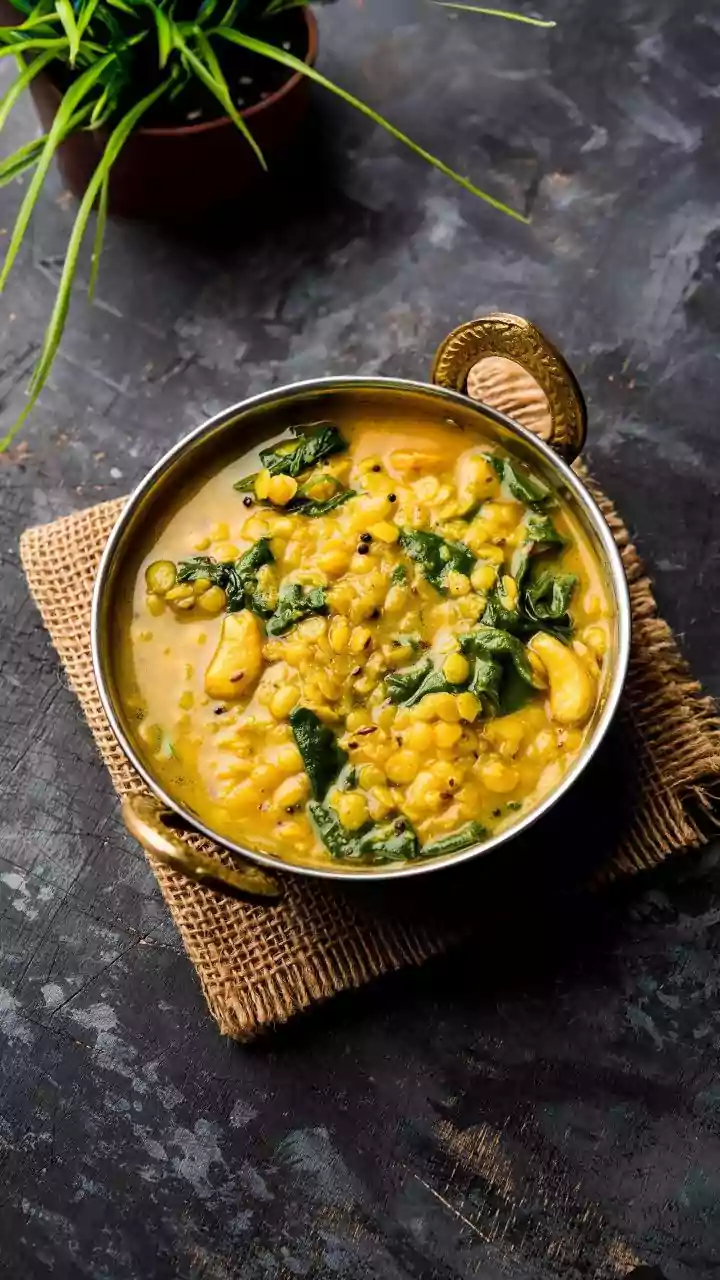
Incorporating moringa into your diet is simple. The general recommendation is to start small, with about half a teaspoon per day, and gradually increase to one or two teaspoons. Consistency is more important than quantity. One of the most popular methods is blending it into smoothies, where fruits like banana and pineapple can balance its earthy flavor. You can also stir it into oatmeal, yogurt, or curd. For savory dishes, sprinkle it into soups, stews, dals, or sauces just before serving to preserve its nutrients. You can even whisk it into hot water with a little lemon and honey for a nourishing, caffeine-free tea.