



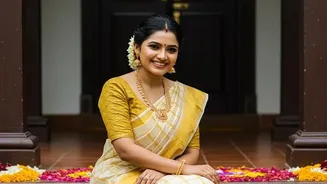
The Powerful Link Between Scent and Memory
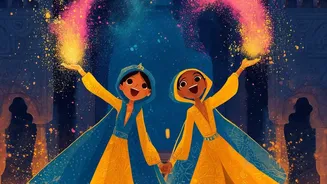
There's a scientific reason why a whiff of a particular flower can transport you back to your childhood Diwali celebrations or a family wedding. Our sense of smell has a direct pathway to the brain's limbic system, which houses the amygdala and hippocampus—regions
responsible for emotion and memory. This unique neural connection means scents can evoke vivid, emotionally charged memories more effectively than our other senses. This phenomenon explains why traditional fragrances feel so personal; they are deeply woven into our earliest experiences of home, celebration, and family. These aren't just perfumes; they are archives of our personal and collective history.
Jasmine: The Fragrance of Auspiciousness
Few scents are as emblematic of Indian festivities as jasmine, known variously as 'mogra', 'mallika', or 'chameli'. Worn as 'gajras' in the hair by women, offered to deities in temples, and used to adorn celebratory spaces, jasmine's fragrance is synonymous with purity, grace, and good fortune. Its aroma, which grows stronger at night, has long been a part of evening rituals and wedding ceremonies. The flower is linked to divine love and is believed to bring prosperity while warding off negative energy. For many, the scent of jasmine doesn't just signify beauty; it evokes a feeling of sacredness and communal joy, a fragrant marker of an auspicious occasion.
Rose: A Timeless Symbol of Devotion and Luxury
The rose, or 'gulab', holds a dual significance in Indian culture, representing both divine love and earthly luxury. Its history is rich, from the sprawling Mughal gardens where rosewater ('gulab jal') became a daily ritual to its use in sacred temple ceremonies. Rose petals are often showered on guests as a sign of welcome, while rosewater is used in festive sweets and as a gentle skin toner. The most precious form, 'ruh gulab' or rose attar, was historically a symbol of royalty. Whether encountered in a prayer hall or a wedding feast, the scent of rose is deeply comforting and nostalgic, a reminder of both spiritual devotion and grand celebrations.
Attar: The Art of Bottling Tradition
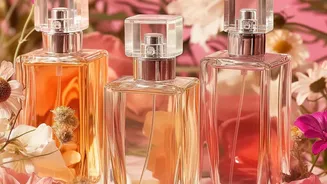
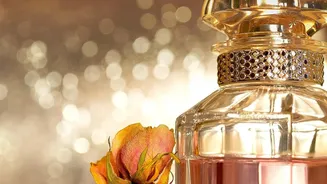
The traditional floral fragrances enjoyed during festivals are often not alcohol-based perfumes but 'attars'—natural perfume oils created through a meticulous, centuries-old distillation process. This ancient technique, known as 'deg-bhapka', involves hydro-distilling flowers, herbs, or spices into a base of sandalwood oil. The process is slow, preserving the pure essence of the botanicals and resulting in a fragrance that is rich, complex, and long-lasting. Attars are more than just scents; they are considered a bridge to the divine in many spiritual practices and are woven into the fabric of Indian rituals. Using a floral attar during a festival is a way of connecting with a craft and a tradition that has been passed down through generations.
A Scented Connection to a Shared Past
In a world of rapidly changing trends, the enduring appeal of traditional floral fragrances lies in their ability to provide a sense of continuity. These scents are part of a shared cultural language. The marigold garlands at a temple entrance, the tuberose at a wedding, and the sandalwood paste in a puja all contribute to a familiar 'scent-scape' that defines the festive season in India. This olfactory backdrop does more than just enhance the atmosphere; it reinforces a sense of identity and belonging. Choosing to wear a traditional floral perfume is often an unconscious nod to this heritage, a way of carrying the comfort and warmth of collective memories into the present moment.