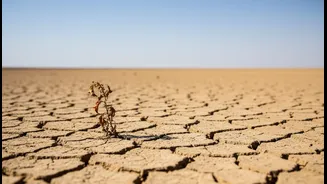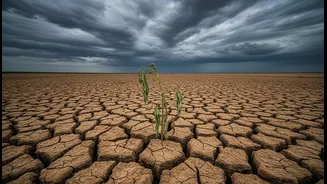



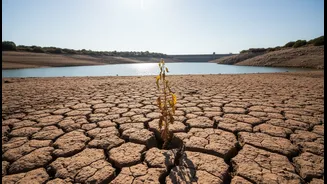


The Reality of Rain Deficits
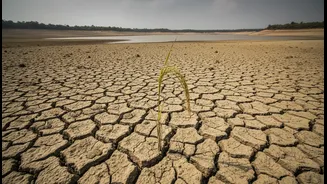
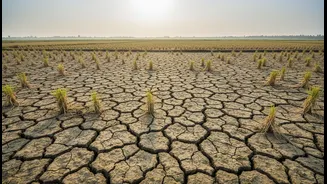
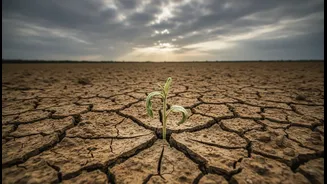
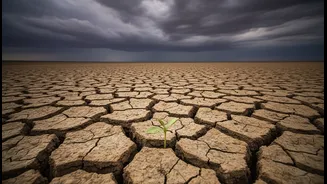
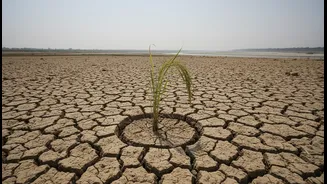
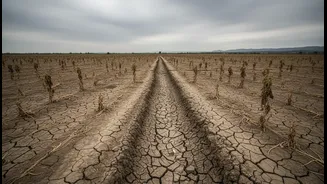
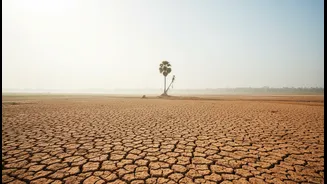
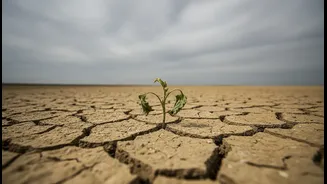
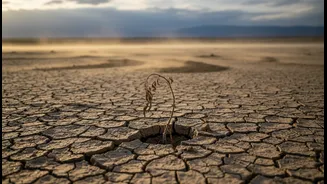
The romantic image of a ceaseless Goan monsoon is being challenged by hard numbers. As of early July 2026, the state is grappling with a significant seasonal rainfall deficit. After a weak start in June which saw shortfalls as high as 70% before recovering
slightly, July has continued the trend with lighter, less consistent rainfall. Recent reports from the India Meteorological Department (IMD) on July 9, 2026, noted that the monsoon had weakened again, increasing the seasonal deficit to nearly 27%. While a brief, heavy spell in late June and early July brought some relief to farmers and raised dam levels, the subsequent dry period has seen temperatures and humidity rise, creating sultry, uncomfortable conditions nearly three degrees above normal. This pattern of unpredictable dry spells within the peak monsoon month is becoming a worrying new normal.
Understanding 'Coastal Breaks'
The culprit behind these mid-monsoon dry spells is often meteorological phenomena known as 'breaks'. These occur when the strong southwesterly winds that drive the monsoon weaken, causing rainfall to recede from the coast. While forecasts in early July 2026 predicted an active monsoon spell for the first ten days of the month, they also warned of a subsequent 'deficit phase' or break. This stop-and-start pattern has serious consequences. Instead of the steady, soaking rains needed to recharge groundwater, Goa is experiencing intense, short bursts of rain followed by prolonged dry periods. This not only leads to surface runoff that drains into the sea instead of percolating into the soil but also disrupts the agricultural calendar and puts immense pressure on water reservoirs that supply the state year-round.
A Crisis of Water Planning
The inconsistent monsoon is exposing deeper, long-standing issues with water management in the state. Experts argue that Goa's water crisis is not just a result of poor rainfall but a failure of governance and planning. For years, issues like unchecked groundwater extraction, rapid concretisation that prevents water absorption, and the degradation of natural water bodies like forests and laterite plateaus have been ignored. In response to forecasts of a below-normal monsoon, the government has recently announced plans to make rainwater harvesting mandatory for all borewell users. However, critics point out that similar regulations already exist but are poorly enforced. The state's traditional systems of water management, which once ensured year-round availability through bunding lakes and retaining monsoon runoff, have been progressively dismantled, leaving communities vulnerable.
Shifting Seasonal Expectations
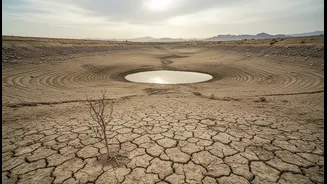
This new reality is forcing a difficult shift in seasonal expectations for everyone in Goa. For farmers, the uncertainty makes it difficult to plan sowing for kharif crops and creates a knock-on effect for the subsequent rabi season, which depends on groundwater recharged during the monsoon. The tourism industry, while traditionally quieter during the monsoon, still relies on the image of a lush, green paradise. Water shortages can impact hotel operations and the overall visitor experience. For residents, the threat of dwindling water levels in major reservoirs like Selaulim and Anjunem raises the spectre of water rationing and dependency on tankers, even in a state blessed with numerous rivers. The cultural rhythm of Goa, which includes festivals celebrating the bounty of the rains, now carries an undercurrent of anxiety.