



The Pungent Power of Mustard Oil
Known as 'kachi ghani', cold-pressed mustard oil is the soul of cuisine in Eastern and Northern India, especially in Bengal, Bihar, and Punjab. Its sharp, pungent, and slightly peppery flavour is unmistakable. This oil has a high smoke point, making it
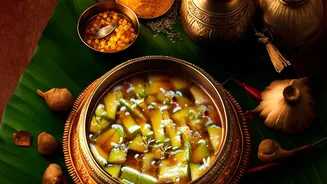
excellent for frying and sautéing. Traditionally, it's often heated until it just starts to smoke to mellow its raw intensity before ingredients are added. This process gives dishes a rounded, warm character. Its preservative qualities also make it the top choice for pickles across the country. In Bengal, mustard oil is indispensable. It's the base for the iconic 'Shorshe Ilish' (Hilsa fish in mustard gravy) and 'Macher Jhol' (a lighter fish curry), where its pungency cuts through the richness of the fish. Vegetarian classics like 'Shukto' (a mixed vegetable stew with a hint of bitterness) and 'Aloo Posto' (potatoes in a creamy poppy seed paste) rely on its distinctive aroma. In Punjab, it forms the flavour backbone of the winter classic 'Sarson Ka Saag'.
The Nutty All-Rounder: Groundnut Oil
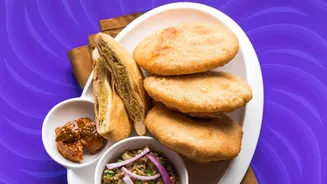
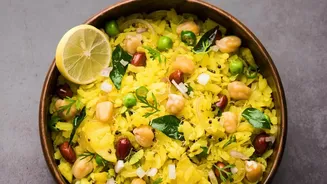
Cold-pressed groundnut (or peanut) oil is a cornerstone of cooking in Western and Southern India, particularly in Gujarat, Maharashtra, Tamil Nadu, and Andhra Pradesh. It possesses a mild, nutty flavour and a high smoke point, which makes it one of the most versatile oils for all kinds of Indian cooking methods, including deep-frying. Unlike refined versions, the cold-pressed oil retains a pleasant aroma that enhances food without overpowering it. In Gujarat and Maharashtra, it’s the go-to oil for tempering dals and preparing everyday sabzis. It's essential for achieving the perfect non-sticky texture in 'Kanda Poha' and for frying crispy snacks like 'Batata Vada'. The high heat stability is perfect for making 'Bhindi Masala' (okra stir-fry) without it turning slimy. Further south, it is used for frying vadas and preparing various curries, lending a subtle, earthy depth to the dishes.
The Earthy Essence of Sesame Oil
Sesame oil, known as 'gingelly' or 'til' oil, is deeply woven into the culinary fabric of South India, especially in Tamil Nadu and Andhra Pradesh. With its distinct, earthy, and slightly bitter aroma, it's more than just a cooking medium; it's a flavouring agent that provides a signature taste. While it has a moderate smoke point suitable for sautéing and tempering, it is often used as a finishing oil. In Tamil Nadu, no meal is complete without a bottle of sesame oil on the table. It is generously mixed with 'idli podi' to create a thick, aromatic dip for idlis and dosas. It's the required fat for tangy, tamarind-based gravies like 'Vatha Kuzhambu' and 'Puliyodarai' (tamarind rice), where its robust flavour balances the sourness. In Andhra cuisine, it’s used in fiery chutneys like 'Gongura Pachadi' and for tempering various dishes, adding a layer of rich, nutty complexity.