


The Festival at a Glance
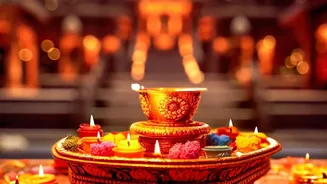
Sharad Navratri, the nine-night festival honouring Goddess Durga and her nine divine forms, begins on Sunday, October 11, and concludes on Monday, October 19, with Vijayadashami (Dussehra) on October 20. While rooted in spiritual devotion, Navratri has
blossomed into a cultural phenomenon that dictates social calendars, consumer trends, and economic activity for a significant part of the month. It’s a time of fasting and feasting, prayer and partying, and its influence extends from the kitchen to the high street.
The Taste of Tradition: What India Will Eat
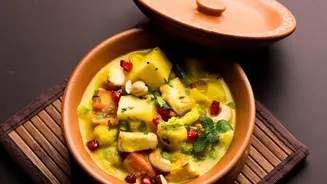
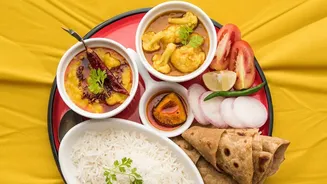
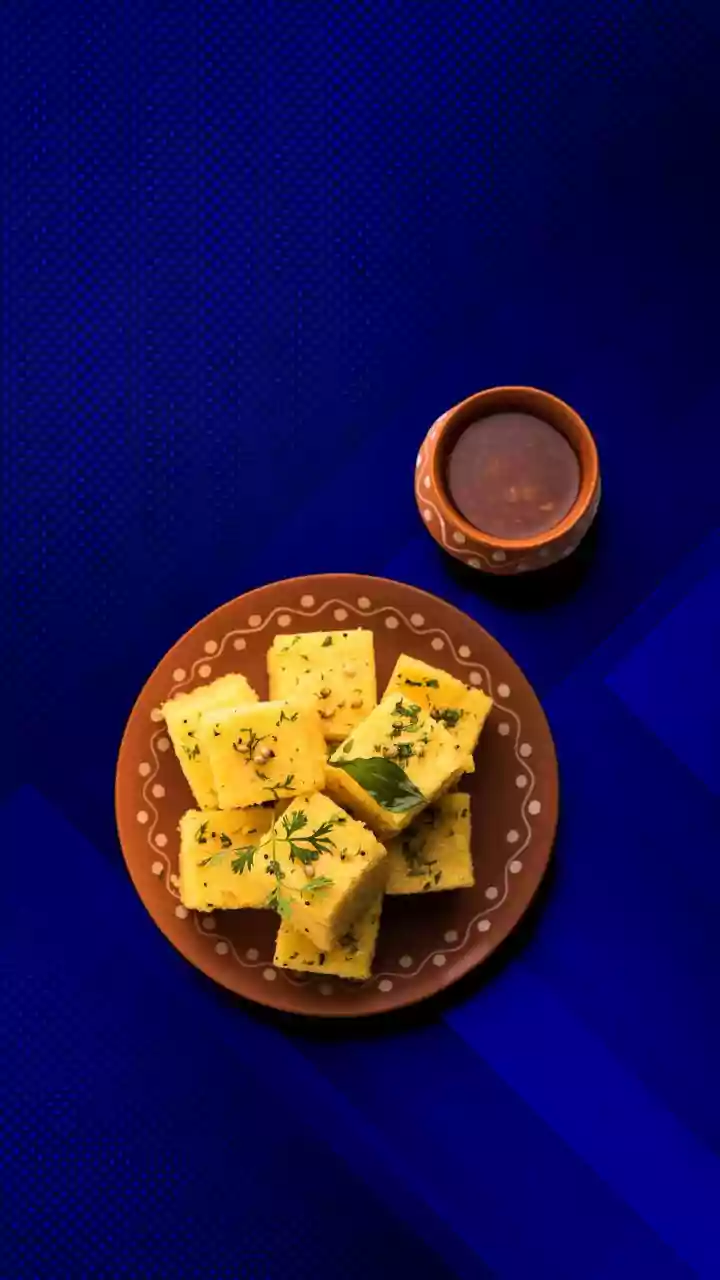
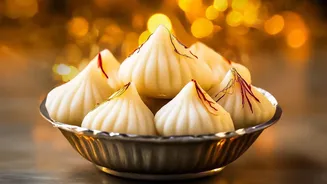
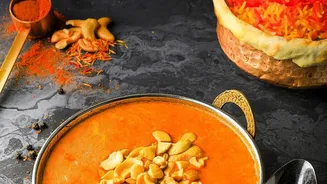
For many, Navratri is a period of dietary discipline, involving fasting (vrat) and avoiding ingredients like onion, garlic, grains, and regular salt. But this culinary restraint sparks immense creativity. Kitchens and restaurants alike are preparing to serve up a host of delicious vrat-friendly dishes. Expect to see modern twists on classics, from kuttu (buckwheat) pooris and sabudana (tapioca) khichdi to innovative meals like samak rice pulao and sweet potato tikkis. Ingredients such as singhara atta (water chestnut flour), rajgira (amaranth), and makhana (fox nuts) become pantry staples. Restaurants will roll out special Navratri thalis, offering a complete, permissible, and delectable feast for those observing the fast or simply wanting to partake in the unique flavours of the season.
Dressing the Part: The Season's Biggest Fashion Trends
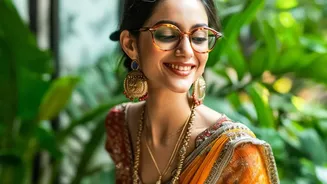
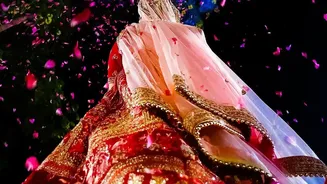
Navratri is arguably India’s most outfit-intensive festival. The demand for traditional attire skyrockets, with chaniya cholis, lehengas, and kurta sets becoming the uniform of the season. A beloved tradition is the nine days of colour, where a specific shade is designated for each day. For 2026, the palette begins with Orange and moves through White, Red, Royal Blue, Yellow, Green, Grey, Purple, and Peacock Green. This year’s trends focus on a blend of traditional craftsmanship and modern comfort. Look for lightweight fabrics like georgette and cotton silk that allow for hours of dancing. Intricate mirror work, Gamthi embroidery from Kutch, and Bandhani patterns are seeing a huge revival, adorning everything from full-flare skirts to contemporary Indo-Western sets. Oxidised silver jewellery remains the go-to accessory to complete the festive look.
The Rhythm of the Nights: What India Will Do
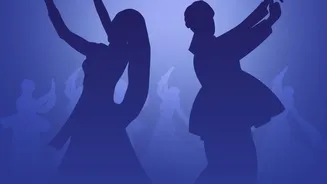
When the sun sets, Navratri transforms into a nationwide dance festival. Garba and Dandiya Raas, the traditional folk dances of Gujarat, are at the heart of the celebrations. These events have grown from intimate community gatherings into large-scale, professionally organised festivals held in stadiums and exhibition halls. Cities like Delhi, Mumbai, and Ahmedabad will host massive dandiya nights featuring live bands, celebrity singers, and DJs mixing traditional beats with Bollywood hits. These events are a feast for the senses, marked by the rhythmic clash of dandiya sticks and the sight of thousands of dancers swirling in colourful attire. For those looking to brush up on their moves, dance workshops see a surge in enrollment in the weeks leading up to the festival, ensuring everyone can join in the circular, joyous celebration.