





What Is Cross-Mission Science?
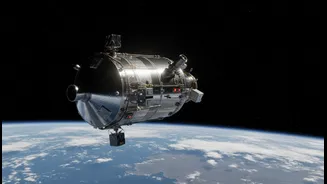
At its core, cross-mission science is about being resourceful. It's the practice of using a spacecraft or its data for scientific purposes beyond its original, primary objective. This can happen in two main ways. First, a mission that has completed its main goal,
like studying a specific planet, can be given a new lease on life. If the spacecraft is still healthy, it can be repurposed to study other celestial objects or phenomena. Second, data collected by one mission for a specific reason can be re-analysed by different teams to answer entirely new scientific questions, often in fields it was never intended for. This approach treats space infrastructure less like a disposable tool and more like a permanent, reusable asset in the sky, creating a more sustainable model for exploration.
The Economic Imperative
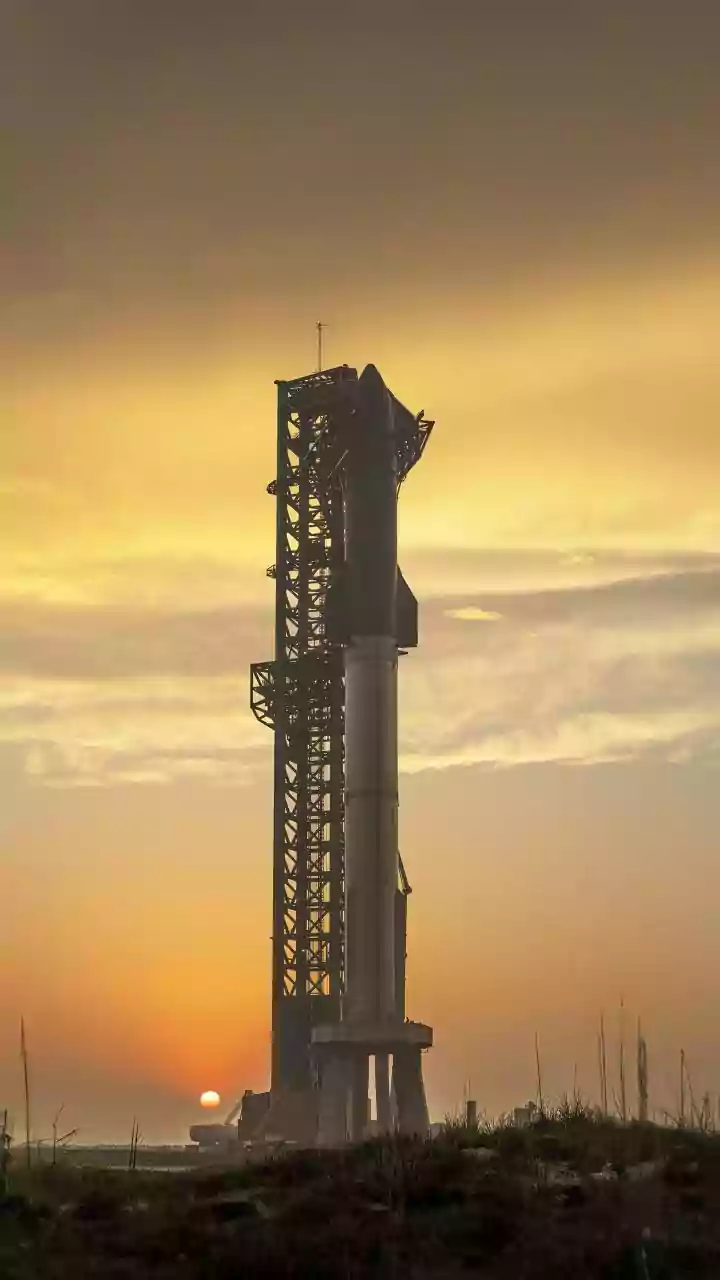
The drive towards cross-mission science is fuelled by a simple reality: launching things into space is incredibly expensive. Building, testing, and launching a single, highly-specialised satellite or probe can cost hundreds of millions, if not billions, of dollars. As of July 2026, the cost to launch a kilogram into space has fallen dramatically from the Space Shuttle era, but it remains a significant investment. Budgets for space agencies are finite and face competing priorities. By finding secondary uses for existing missions, agencies can maximise their return on that massive initial investment. It transforms a single-purpose expenditure into a multi-faceted scientific platform, delivering more discoveries per rupee, dollar, or euro spent. This mindset of fiscal prudence is critical as space ambitions grow and more countries and private companies enter the field.
Collaboration is Key
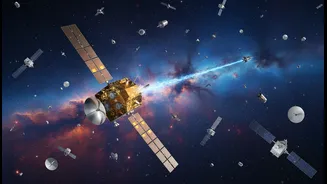
This new era of efficiency is defined by partnership. Gone are the days of space agencies always going it alone. Major players like NASA and the European Space Agency (ESA) have a long history of collaboration on flagship projects, including the Hubble and James Webb Space Telescopes, the Cassini-Huygens mission to Saturn, and the Artemis program to return humans to the Moon. These partnerships pool resources, share risks, and leverage the unique strengths of each agency. For example, for the Orion spacecraft, NASA is providing the crew capsule while ESA is building the European Service Module that provides power, water, and propulsion. This collaborative spirit extends to data. NASA has a stated commitment to the full and open sharing of scientific information, which allows researchers from around the world to use data from missions they weren't directly involved in, multiplying the scientific output.
A Perfect Fit for India’s Ambitions
The philosophy of getting more from less is deeply embedded in the DNA of the Indian Space Research Organisation (ISRO). Renowned for its 'frugal innovation', ISRO has a proven track record of achieving monumental goals on remarkably tight budgets. The Mars Orbiter Mission (Mangalyaan), for example, made India the first nation to reach Mars on its debut attempt at a fraction of the cost of similar missions. This was achieved by reusing proven technologies from previous missions like the Chandrayaan-1 lunar orbiter. This existing culture of iterative design, modular systems, and cost-consciousness makes ISRO perfectly positioned to be a leader in cross-mission science. By applying its trademark ingenuity to extending the life and purpose of its assets, India can continue to punch above its weight in space exploration.
Challenges and the Path Forward
While the concept is powerful, execution has its hurdles. Technically, using a spacecraft for a new purpose can be challenging. Its instruments may not be ideal for the new target, and its software may require complex updates from millions of kilometres away. Bureaucratically, inter-agency and international collaborations require navigating complex agreements and data-sharing protocols. NASA is actively working to create systems for integrated cross-mission data to make this process more seamless. Despite these challenges, the path forward is clear. As we launch ever more sophisticated observatories and probes, designing them from the ground up with multi-mission potential and open-data principles in mind will become the standard. It represents a fundamental shift in our approach to exploring the cosmos.