









Dinner and a Show
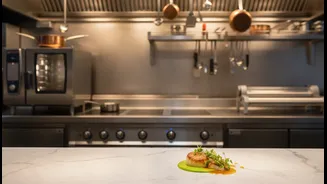
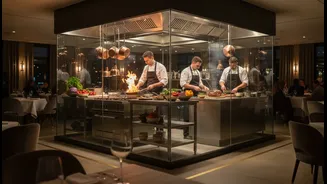
The modern diner, especially the millennial, is seeking more than just a meal; they're after an experience. This is where the concept of 'eatertainment' comes into play, transforming a simple dinner into a multi-sensory event. An open kitchen is the perfect
stage for this. The sizzle of a pan, the rhythmic chop of a knife, and the focused intensity of chefs plating a dish become a live performance. This culinary theatre provides a dynamic, engaging backdrop that static decor simply cannot match. For a generation that prioritizes experiences over possessions, watching the artistry behind their food adds a memorable layer to dining out, making the restaurant a destination, not just a place to eat.
A Recipe for Trust
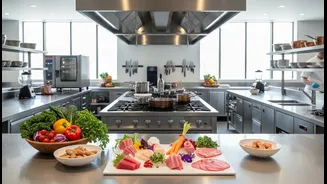
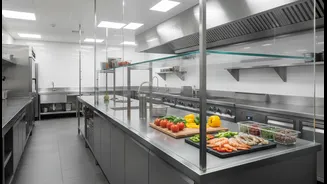
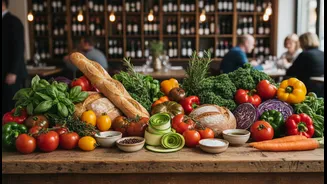
In an age of heightened awareness about hygiene and food quality, transparency is paramount. Open kitchens directly address this by putting everything on display. Diners can see the freshness of the ingredients, the cleanliness of the workspace, and the care with which their food is handled. This visibility builds an immediate and powerful sense of trust, reassuring customers that the restaurant has nothing to hide. For millennials, who are often skeptical of marketing and place a high value on authenticity, this unfiltered view is more convincing than any advertisement. Seeing the process from start to finish removes uncertainty and fosters confidence, which is a key ingredient for customer loyalty.
Designed for the Digital Age
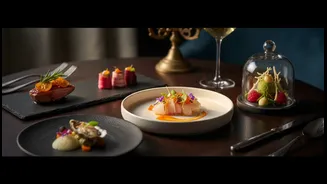
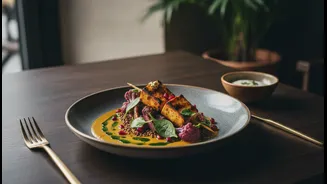
If a meal isn't on social media, did it even happen? While that might be a slight exaggeration, the 'Instagrammability' of a dining experience is a real factor for many, especially younger diners. Open kitchens are inherently photogenic and video-friendly. The flurry of activity, the flames from the grill, and the artful plating provide endless content opportunities for social media feeds. One study noted that 59% of millennial diners take photos of their food. Restaurants with visually appealing, transparent kitchens are essentially providing a dynamic backdrop that encourages user-generated content. This serves as powerful, organic marketing, amplifying the restaurant's reach and attracting new customers who see the engaging experience shared by their peers.
The View from the Kitchen
While the benefits for diners are clear, what does this trend mean for the restaurants themselves? An open kitchen holds the culinary team to a higher standard of cleanliness, organization, and professionalism, as they are constantly in the public eye. While this adds pressure, it also provides an opportunity for chefs to connect with guests, receive immediate feedback, and showcase their skills. It transforms kitchen staff from anonymous workers into recognized artisans, which can boost morale. From a business perspective, an open kitchen can justify premium pricing by showcasing the quality ingredients and expert craftsmanship that go into each dish. It becomes a key part of the brand's story, signalling confidence, quality, and a modern approach to hospitality.