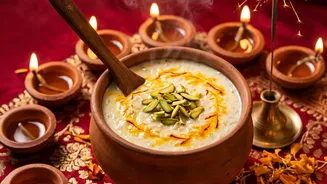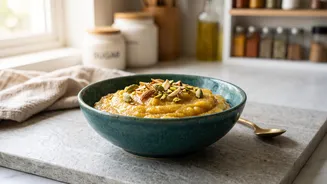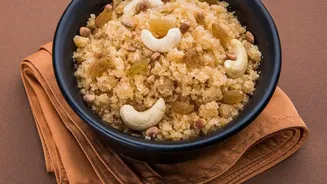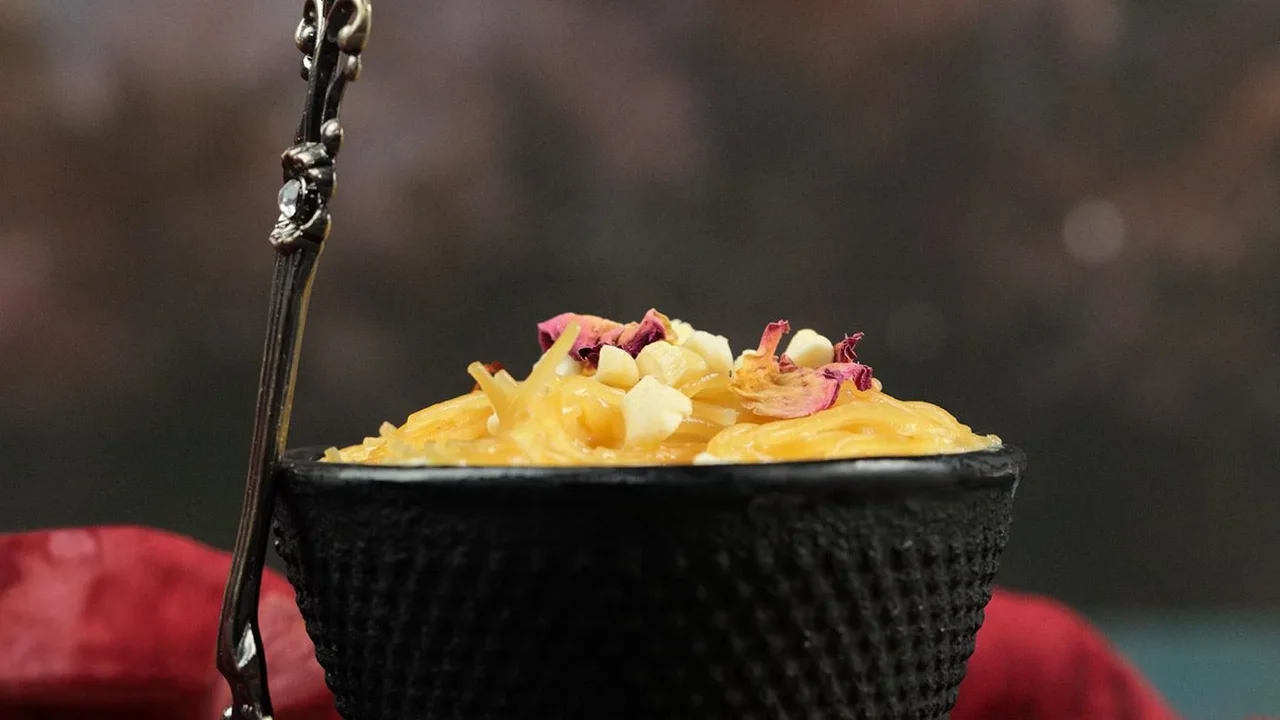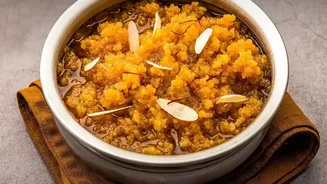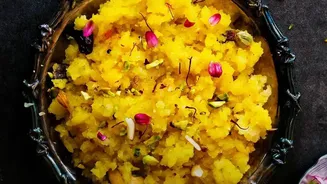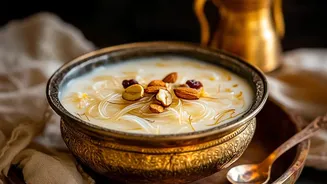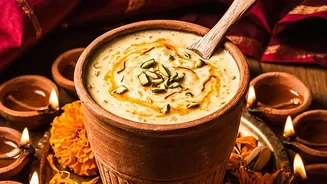

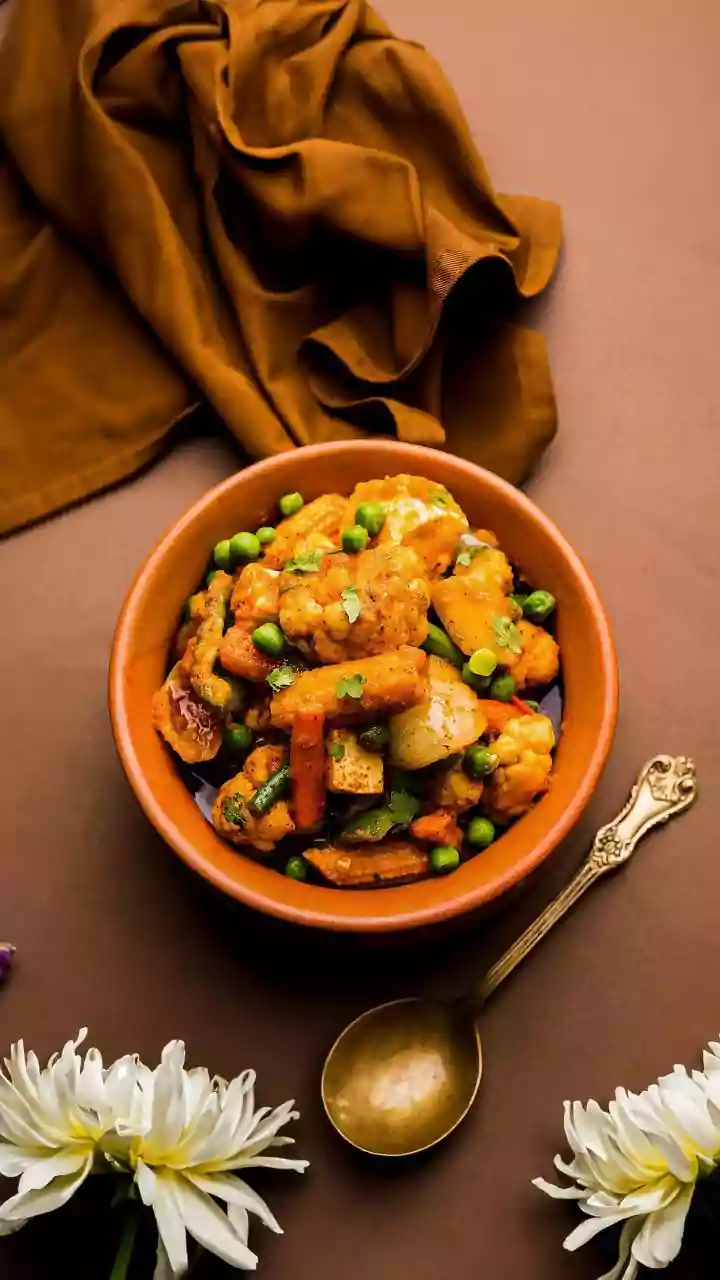

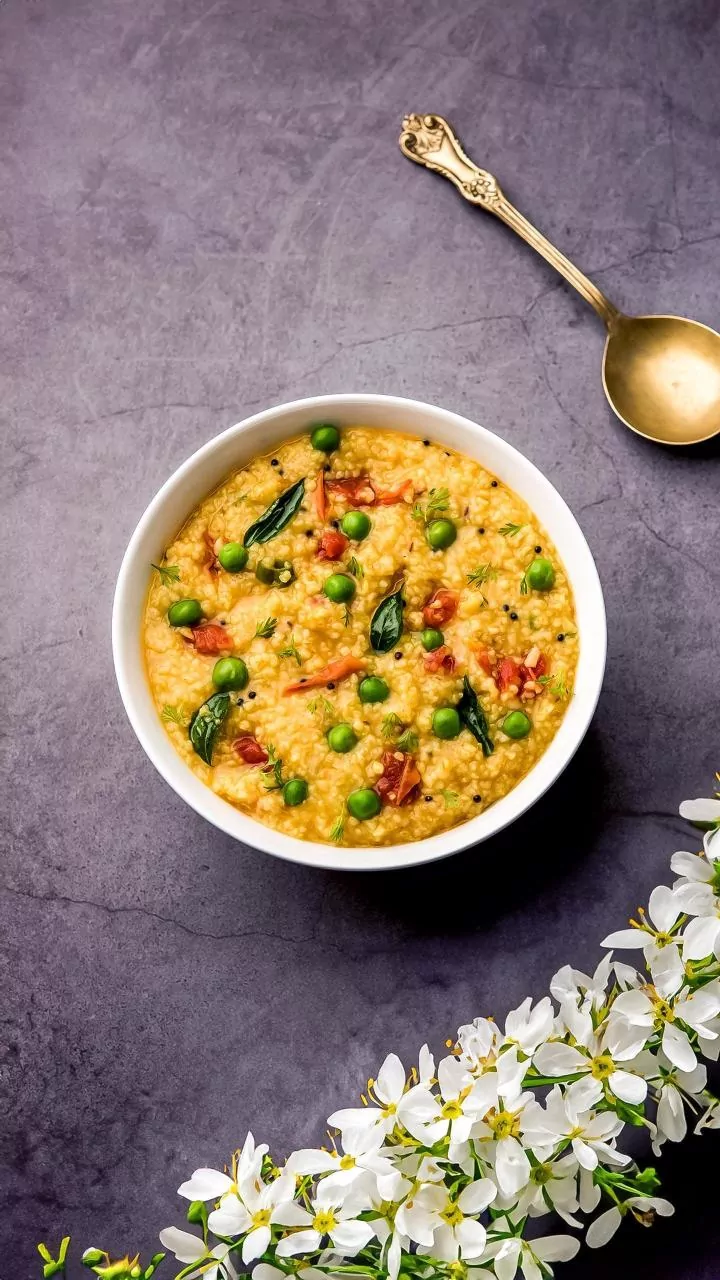
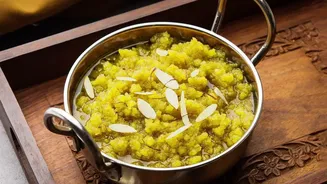
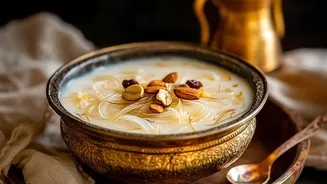
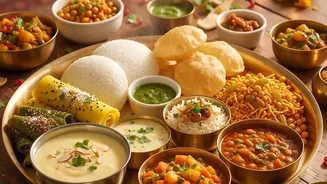
After the vibrant chaos and rich indulgence of Diwali, there is a collective sigh. The fairy lights dim, the firecracker smoke clears, and households often turn to a quieter, more nourishing comfort. Enter Besan Sheera, the golden, aromatic sweet.
The Perfect Post-Festival Reset
Diwali
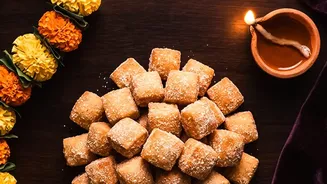
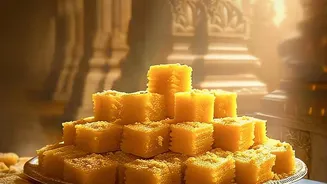
is a festival of excess, a glorious celebration marked by mountains of mithai, from dense barfis and syrupy gulab jamuns to crispy soan papdi. While delicious, this festive feasting can leave one craving simplicity. This is where Besan Sheera finds its moment. Unlike the complex, multi-ingredient sweets of the festival, sheera is elemental. It is not a celebratory firework but a warm, steady flame. Its semi-liquid consistency and gentle sweetness provide a soothing contrast to the heavy, fried, and sugary foods consumed over days of celebration. Many households, particularly in North India, see it as a delicious and welcome reset, a way to gently ease the digestive system back into a normal rhythm after the festive overload.
A Grandmother's Remedy for Winter's Onset
The timing of Diwali often coincides with the turn of the season, when a distinct nip enters the air. This is another reason for Besan Sheera's post-Diwali popularity. It has long been regarded as a 'dadi' or 'nani's' go-to home remedy for the coughs and colds that accompany the arrival of winter. Traditionally known as an 'ushna' or warming food in Ayurveda, it is believed to provide heat and comfort. The warm, thick consistency helps soothe an irritated throat, while the inherent properties of its ingredients are thought to boost immunity and provide relief from congestion. Enjoying a bowl of hot sheera before bed is a common practice to encourage a restful sleep when feeling under the weather.
The Magic of Roasted Besan and Ghee
At the heart of this dish are two fundamental ingredients: besan (gram flour) and ghee. The process begins by slow-roasting the besan in ghee until it turns a deep golden-brown and releases a wonderfully nutty aroma. This roasting process is crucial; it cooks out the raw taste of the flour and develops a rich, complex flavour that is the soul of the sheera. Gram flour, made from chickpeas, is a powerhouse of protein and vitamins, believed to provide instant energy and reduce fatigue. Ghee, or clarified butter, is not just a cooking medium but a revered ingredient in Ayurveda, known for lubricating the throat and acting as a carrier for the medicinal properties of spices. The combination creates a sweet that is both nourishing and deeply satisfying.
Spiced for Warmth and Wellness
While the base is simple, the addition of spices elevates Besan Sheera from a mere sweet to a therapeutic concoction. Common additions include turmeric (haldi), black pepper (kali mirch), and cardamom (elaichi). Turmeric, with its compound curcumin, is celebrated for its anti_inflammatory and antiseptic properties. Black pepper is believed to aid metabolism and act as an antibacterial agent. Cardamom, meanwhile, adds a beautiful fragrance and is considered a natural decongestant. Some recipes also call for jaggery instead of sugar, which adds its own mineral_rich, earthy sweetness. These spices work in synergy to create a drink designed not just for taste, but for well_being.
An Enduring Legacy of Simplicity
While the exact origin of 'halwa' is traced back to the Middle East, Indian cuisine has adopted and adapted it into countless regional forms. Besan Sheera, popular in Punjabi households and across North India, stands out for its functional comfort. It isn’t the showstopper on the wedding menu or the most elaborate sweet in the Diwali box. Instead, its legacy lies in its role as a nurturer. It is the food of recovery, of comfort, and of seasonal transition. It’s the simple, honest sweet that reminds us of a mother's care and the quiet wisdom of tradition, long after the festival lights have been packed away.