




The Green Wave in the Breakroom
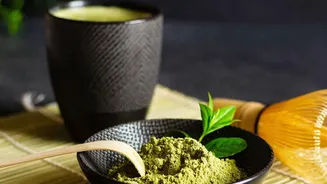
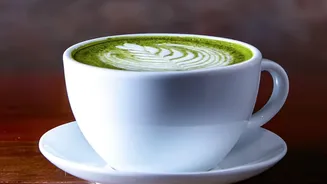
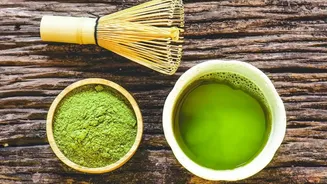
Walk through a modern tech campus, and you might notice a shift in the afternoon ritual. The frantic dash for a double espresso is being replaced by a more mindful moment. Employees are whisking, shaking, or ordering bright green matcha lattes. This isn't
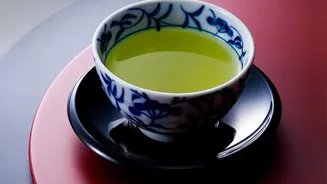
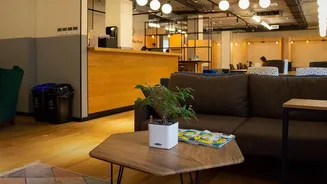
just a fleeting fad; it’s a deliberate pivot. Companies at the forefront of workplace innovation are integrating matcha into their wellness programs and pantry offerings. This move reflects a broader trend towards prioritizing employee well-being, not just as a perk, but as a core component of a productive and sustainable work environment. The presence of matcha signals a company culture that values health-consciousness and is attuned to the evolving preferences of a modern workforce.
The Science of Calm Focus
The core reason for this switch lies in neurochemistry. While both coffee and matcha contain caffeine, they deliver it in vastly different ways. Coffee provides a rapid jolt by blocking adenosine receptors, which can lead to a sharp energy spike often followed by a crash, jitters, and even anxiety for some. Matcha, on the other hand, offers what many describe as "calm alertness." This is due to the presence of L-theanine, an amino acid that works in synergy with caffeine. L-theanine promotes alpha brain waves, which are associated with a state of relaxed concentration, similar to meditation. The result is a smoother, more sustained energy release over several hours, enhancing focus and accuracy on cognitive tasks without the common downsides of coffee.
A Rejection of Hustle Culture
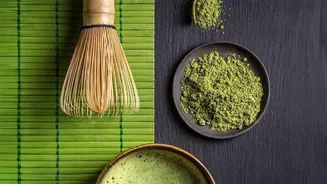
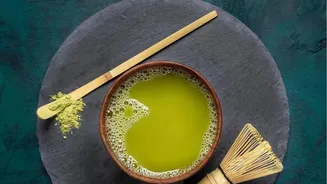
The choice between coffee and matcha is also a cultural one. For decades, coffee has been the fuel for "hustle culture"—a symbol of long nights, early mornings, and relentless drive. The afternoon crash was simply part of the deal. The move towards matcha represents a subtle but significant rejection of that ethos. It aligns with a growing desire for a more balanced and regulated approach to work. The ritual of preparing matcha itself—the whisking, the deliberate preparation—encourages a moment of mindfulness, a brief pause in a demanding day. This stands in stark contrast to the grab-and-go nature of an espresso shot. It's a shift from valuing frantic activity to valuing focused, intentional productivity.
The Business Case for Wellness
For employers, offering matcha is a smart business decision. In the competitive tech landscape, attracting and retaining top talent requires more than just a high salary. Comprehensive wellness initiatives are now a key differentiator. Providing alternatives like matcha demonstrates a commitment to employee health that goes beyond generic benefits. It's a relatively low-cost, high-visibility perk that addresses issues of burnout, stress, and mental clarity. By providing tools that help employees manage their energy and focus in a healthier way, companies are investing in the long-term resilience and performance of their workforce. They are betting that a calmer, more focused employee is ultimately a more innovative and effective one.