




Hoi An: The Lantern-Lit UNESCO Gem
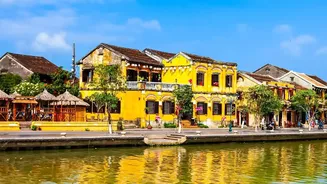
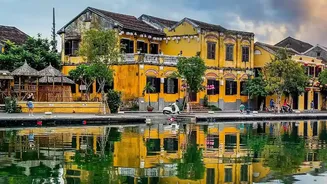
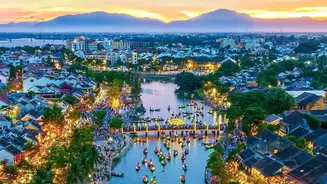
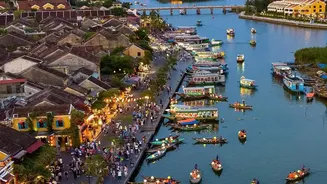
Often hailed as Vietnam’s most beautiful town, Hoi An is a living museum. Its heart is the Ancient Town, a UNESCO World Heritage site where life unfolds at a gentle pace. For centuries, it was a bustling international trading port, and this rich history
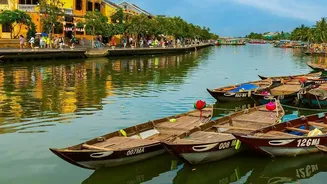
is visible in its unique architecture—a blend of Vietnamese, Chinese, and Japanese influences. Spend your days wandering the narrow, pedestrian-friendly lanes, flanked by mustard-yellow shophouses and decorated with colourful silk lanterns. A single ticket grants access to several historic sites, including ornate Chinese assembly halls and well-preserved merchant homes like the Tan Ky House. The iconic 400-year-old Japanese Covered Bridge is a must-see. When the sun sets, the town transforms as thousands of lanterns illuminate the streets and the Thu Bon River, where you can take a romantic boat ride. Just a short bicycle or taxi ride away lies An Bang Beach, a beautiful stretch of white sand and clear water, perfect for a relaxing afternoon.
Da Nang: Colonial Charm and Coastal Energy
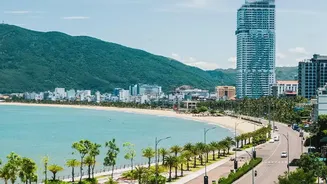
While famous for its modern bridges and long, sandy beaches, Da Nang also holds pockets of history. The city served as a major French colonial port, and remnants of this era can still be found. A walk along the western bank of the Han River reveals handsome colonial-era buildings, now repurposed as government offices and museums. The most striking landmark from this period is the Da Nang Cathedral, a candy-pink Gothic-style church built in 1923 and affectionately nicknamed the 'Rooster Church' because of its weathervane. This historical core provides a fascinating contrast to the city's modern energy. After exploring the historic streets, you can unwind at My Khe Beach, a world-renowned stretch of sand offering clean water and various water sports, just a short drive away. For a different kind of historical experience, the Ba Na Hills resort features a recreated French village, complete with cobblestone streets and European-style architecture, accessible via a breathtaking cable car ride.
Hue: The Imperial City's Seaside Connection
As the former imperial capital of Vietnam, Hue is steeped in history, best known for its magnificent Citadel and the royal tombs of the Nguyen Dynasty. While the main historical sites are situated along the Perfume River, the city also serves as a gateway to some lovely and less-crowded coastlines. About 15 kilometres east of the city center lies Thuan An Beach, a local favourite where the Perfume River flows into the sea. It's a simple, authentic beach experience, ideal for enjoying fresh seafood from local stalls and watching the sunset. For a more scenic journey, head south towards Lang Co Beach, an idyllic bay framed by mountains at the foot of the stunning Hai Van Pass. Lang Co Bay has been recognized as one of the world's most beautiful bays and offers a serene escape with its calm, turquoise waters and white sand. An itinerary combining Hue's imperial grandeur with a day trip to these nearby beaches offers a perfect mix of culture and coastal relaxation.
Planning Your Trip From India
Vietnam has become an increasingly popular and accessible destination for Indian travellers. Direct and one-stop flights are available from major Indian cities like Delhi, Mumbai, and Bengaluru to hubs like Da Nang, Hanoi, and Ho Chi Minh City. Indian passport holders require a visa, with the online e-Visa being the most straightforward option, allowing for stays of up to 90 days. It's recommended to apply through the official government portal well in advance of your trip. While Vietnam is considered very safe for tourists, standard precautions like using ride-hailing apps like Grab and being mindful of belongings in crowded markets are advised. For vegetarians, finding food can sometimes be a challenge as many dishes contain fish sauce, but major tourist centres like Hoi An and Da Nang have numerous Indian and vegetarian-friendly restaurants.