



The Rise of More
For years, the food world celebrated minimalism—a single, perfect ingredient, a clean plate, and simple preparations. Now, the pendulum is swinging wildly in the opposite direction. Welcome to the era of food maximalism. [11] Driven by a desire for excitement
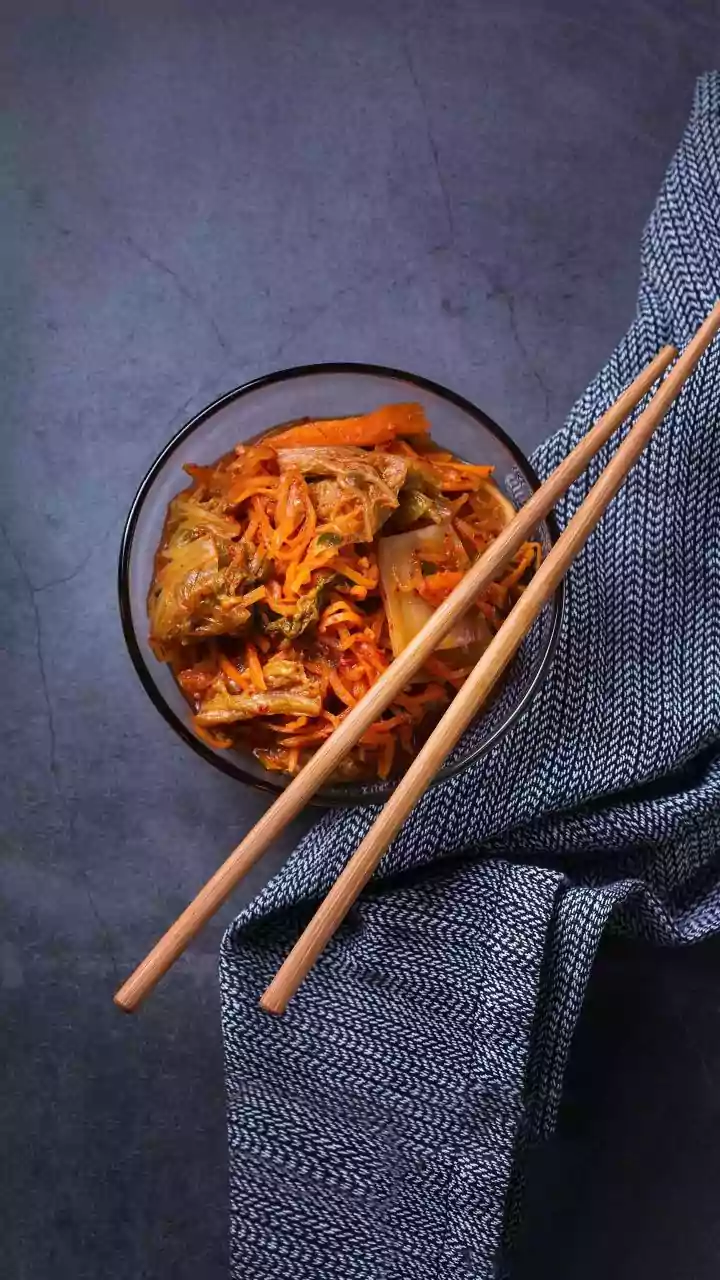
and social media's visual appetite, this trend is about piling on flavours, textures, and colours. [16] Think of loaded fries that groan under the weight of cheese, bacon, and multiple sauces, or elaborate milkshakes overflowing with cake, candy, and sprinkles. It’s a trend that screams for attention, where the goal is often a sensory overload that's as much a feast for the eyes as it is for the stomach. [12, 16] This approach is about creating an event out of every bite, combining sweet, sour, spicy, and crunchy elements to make something unforgettable. [12]
An Older, Deeper 'More'
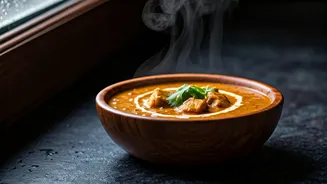
While this modern, often Western-centric maximalism feels new, the philosophy of 'more' is deeply embedded in India's culinary traditions. [2] Indian cuisine, with its 8,000-year history, is a testament to complexity built over centuries through trade, invasions, and cultural exchange. [2] The arrival of Mughals introduced rich, creamy gravies and the use of nuts and saffron, while the Portuguese brought staples like potatoes, tomatoes, and chillies. [3, 4, 7] This history has created a cuisine that is inherently maximalist, not in a superficial way, but in its profound depth and layering of flavours. [9] Each region has its own unique culinary identity, shaped by climate and local ingredients, resulting in an incredible diversity of complex dishes. [5, 8]
A Symphony on the Plate
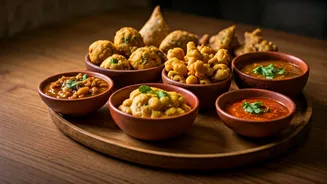
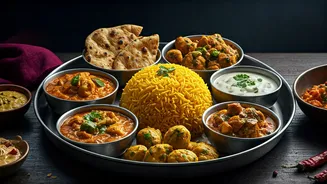
This authentic maximalism is not about random additions; it’s a carefully orchestrated symphony of spices and techniques. Consider a Hyderabadi biryani, where meat and rice are slow-cooked in layers with dozens of spices, each retaining its character while contributing to a harmonious whole. [7] Think of a thali, the ultimate expression of balanced maximalism, presenting a dozen different preparations—sweet, sour, spicy, tangy, crunchy, and soft—on a single platter. [24] Dishes like Goan Vindaloo, with its Portuguese-inspired vinegar and garlic base fused with a host of Indian spices, or a Chettinad curry, known for its fiery and aromatic blend of freshly roasted masalas, are perfect examples. [17, 21] This isn't chaos; it's complexity with a purpose, honed over generations. [9]
Maximalism with a Soul
What makes this regional maximalism feel so 'real' is its authenticity and connection to culture. [14] The complexity isn’t for show; it’s a reflection of history, geography, and community. [5] The blend of spices in a North Indian korma or a South Indian sambar tells a story of local agriculture and historical trade routes. [6, 8] These dishes are born from traditions of celebration, family gatherings, and religious festivals where abundance signifies hospitality and joy. [5, 10] The techniques used—slow-cooking, fermenting, and the artful blending of masalas—are skills passed down through generations, representing a collective culinary wisdom. [9, 13] Unlike a fleeting trend designed for a viral post, this is maximalism with a soul, rooted in the very fabric of daily life and culture.