






The Monsoon Makes Landfall in India's Heartland
The India Meteorological Department (IMD) has confirmed that as of June 25, 2026, the Southwest Monsoon has advanced into more parts of Madhya Pradesh and Gujarat, while covering the remaining areas of Maharashtra. [7, 17] This significant push into the nation's
heartland marks a crucial phase in the monsoon's annual journey across the subcontinent. The advance follows a period where the monsoon's progress had been uneven and slow, raising concerns about rainfall deficits. [11] Now, conditions are favourable for it to move further into Chhattisgarh, Jharkhand, Bihar, and subsequently Uttar Pradesh in the coming days. [8, 9]
A Welcome Break From Searing Heat
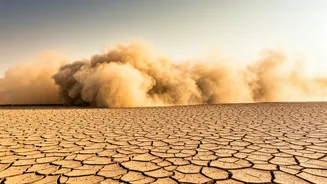
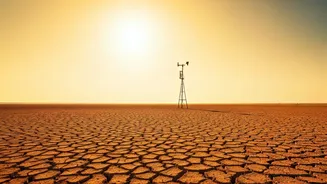
For a region that has been reeling under temperatures soaring between 40 and 43 degrees Celsius, the arrival of cool, moist monsoon air is a welcome respite. [8] The IMD forecasts a gradual drop in temperatures by 2 to 3 degrees Celsius across Central India as the rains set in. [8] However, the relief is not yet universal. Parts of East Uttar Pradesh, northeast Madhya Pradesh, and Bihar are still expected to experience heatwave conditions for the next few days until the monsoon fully reaches them. [8, 14]
Not Just Rain, But Thunder and Wind
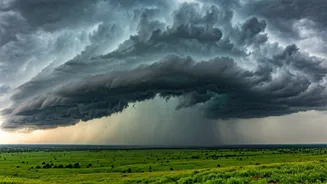
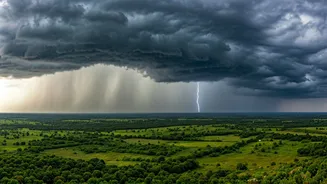
The monsoon's arrival in Central India isn't a gentle affair. The IMD has issued warnings for thunderstorms accompanied by lightning and gusty winds. [8, 10] Thundersqualls, which are sudden and violent bursts of wind reaching up to 70 kmph, have been predicted for parts of Madhya Pradesh. [8, 10] This intense weather is caused by warm, moist air from the sea rising rapidly over the hot landmass, creating powerful atmospheric disturbances. While bringing rain, these storms also pose risks, and residents have been advised to take necessary precautions. [9]
The Lifeline for Kharif Crops
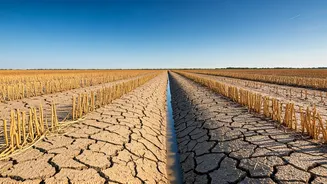
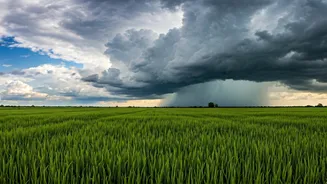
The timing of the monsoon's arrival in Central India is critical for the nation's agriculture. This region is a vital agricultural zone, and the rains are the lifeline for kharif (summer) crops like rice, soybeans, cotton, and pulses. [21, 14] A timely onset allows farmers to commence sowing and transplantation, setting the stage for the agricultural season. [21] While the monsoon's progress is a positive sign, there are lingering concerns. The season has been marked by a significant national rainfall deficit so far, and a weak monsoon period was forecast until early July, which could still impact rain-fed crops if the deficit persists. [12, 15]
The Broader Economic Picture
The performance of the monsoon has ripple effects across the entire Indian economy. A healthy monsoon boosts agricultural output, which helps keep food inflation in check. [15] It also replenishes reservoirs, which are crucial for drinking water supply and generating hydroelectric power. [14, 21] Economic analysts and policymakers closely monitor the monsoon's trajectory because a good season can bolster rural demand and contribute to overall economic stability. Conversely, a poor monsoon can put pressure on food prices and the wider economy. [14, 15]
What Happens Next?
The IMD reports that conditions remain favourable for the monsoon to continue its advance over the next few days. [7, 9] The system is expected to cover more parts of Gujarat, Madhya Pradesh, and move into eastern states like Bihar and Jharkhand, before heading towards Uttar Pradesh and Uttarakhand. [7] While Central and Western India receive widespread rain, a mix of weather is expected elsewhere. Heatwaves may continue in some northern pockets, while heavy rainfall alerts are in place for the west coast and northeastern states. [7, 8]