

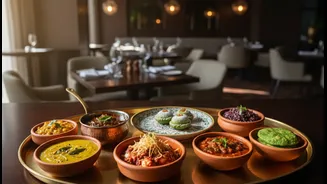



The End of the ‘Curry’ Monolith
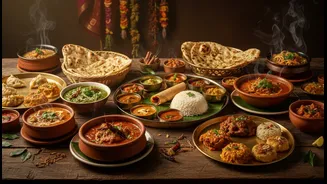
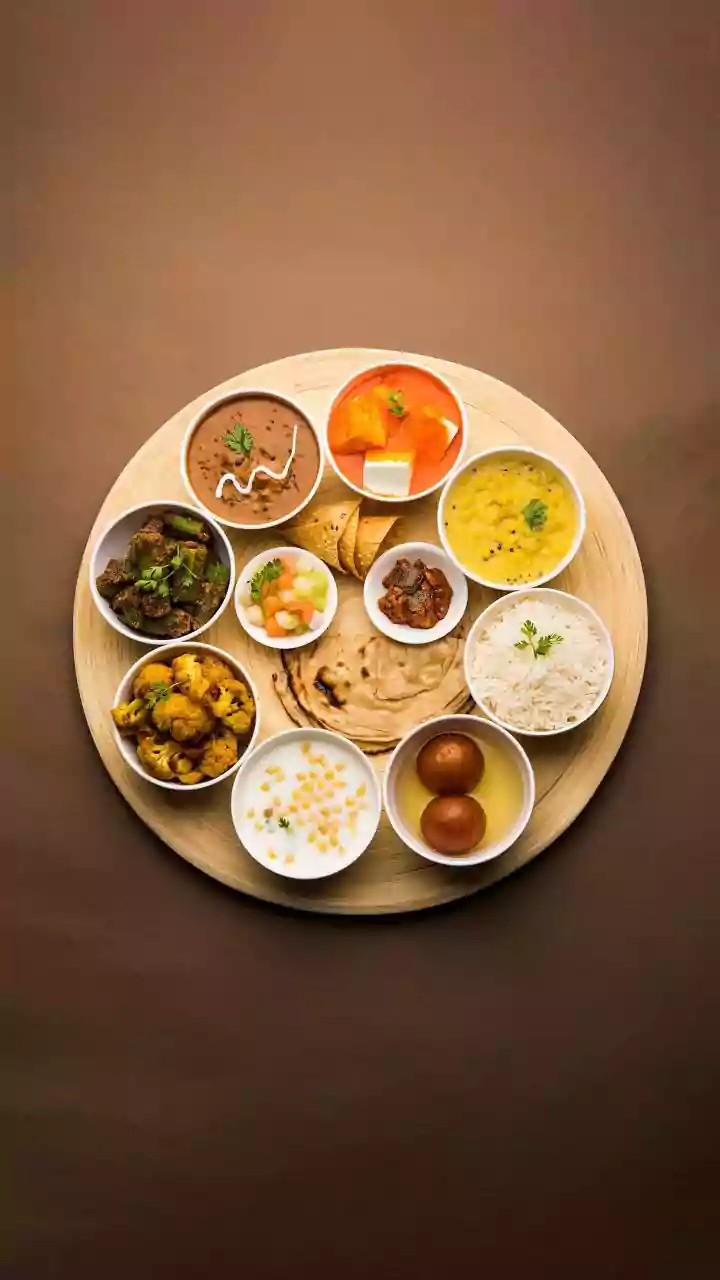
For decades, Indian food in many restaurants was reduced to a familiar, laminated menu of greatest hits: butter chicken, paneer tikka, and dal makhani. While delicious, these dishes represent just a fraction of India's vast culinary landscape. Today,
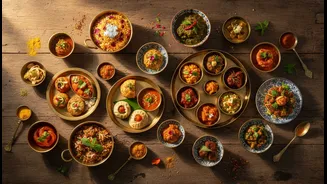
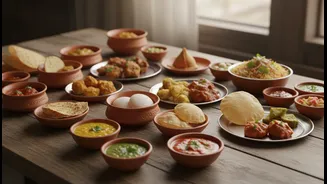
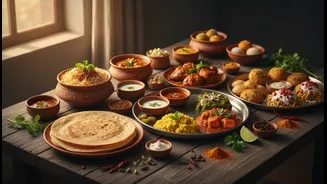
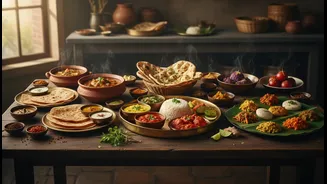
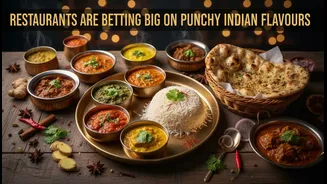
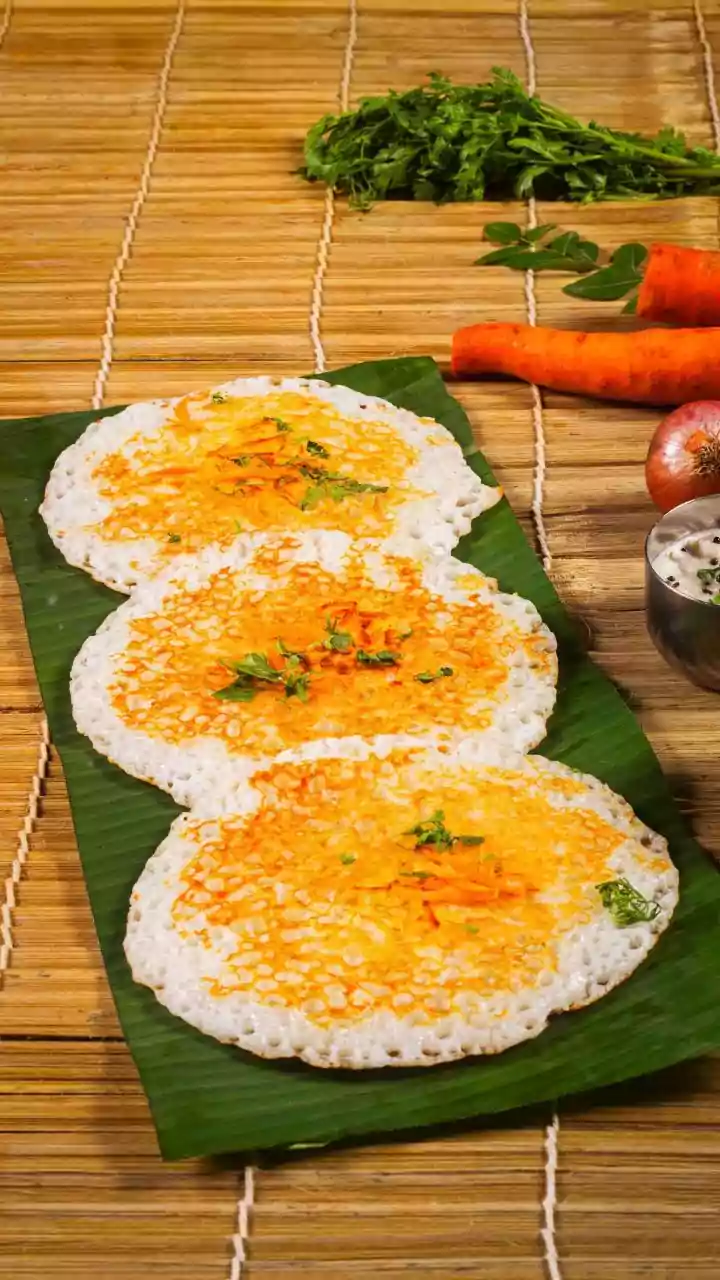
a new wave of culinary confidence is sweeping the nation. Chefs are moving away from the one-size-fits-all “Indian” menu and diving deep into the country’s micro-regions. This isn't about fusion or unnecessary foam; it's a confident return to roots, celebrating the extraordinary diversity that changes every few hundred kilometres, from the coastal fare of Kerala to the fermented foods of the Himalayas.
Hyper-Regional is the New Luxury
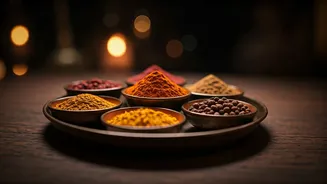
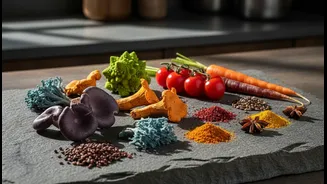
The new luxury on the Indian diner's plate isn't an imported truffle; it's a story. It’s the taste of a specific heirloom grain from Chhattisgarh or a forgotten vegetable foraged from a local farm. This is the era of hyper-regional and hyperlocal cuisine, where restaurants are building their entire identity around the specific culinary traditions of states like Bihar, Odisha, or Nagaland. In Delhi, establishments like The Potbelly are celebrated for bringing Bihari comfort food like litti chokha to a mainstream audience, while others champion the distinct spices of Himalayan cuisine. In Mumbai, restaurants like The Bombay Canteen reinterpret classic Maharashtrian dishes, and Noon focuses on ingredients from Ladakh and Kashmir. This shift is driven by chefs acting as cultural curators and diners who are curious for authentic, meaningful experiences.
Why Now? A Recipe for Change
Several factors are fueling this culinary movement. A generation of Indian chefs, some with experience in top international kitchens, are returning home with a desire to explore and elevate their own heritage. They are applying modern techniques like sous-vide to traditional recipes, not to change the flavour but to enhance its texture and consistency. Furthermore, today’s diners are more adventurous and knowledgeable, their palates broadened by travel and social media. They want to know the story behind their food, from the ingredients' origins to the history of the recipe. This growing consciousness also extends to sustainability, with a focus on seasonal, farm-to-table sourcing that supports local farmers and reduces environmental impact.
The Business of Boldness
This focus on punchy, authentic flavours isn't just a passion project; it’s a strategic business decision. In a crowded market, hyper-specialisation allows a restaurant to build a unique brand identity that stands out from generic multi-cuisine menus. While there's a risk in introducing unfamiliar flavours, the reward is a loyal following of diners seeking new and exciting experiences. Restaurateurs are finding that authenticity sells. Concepts built around regional South Indian cuisines, reimagined street food, and specific community traditions are gaining commercial traction. By championing a specific region, these establishments create a narrative that engages customers through tasting events, pop-ups, and chef collaborations, turning a simple meal into a memorable cultural journey.