
The Gentle Reign of the Curve
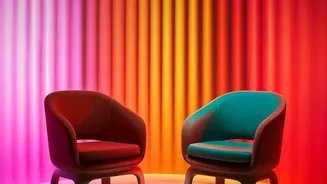
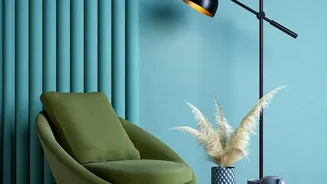
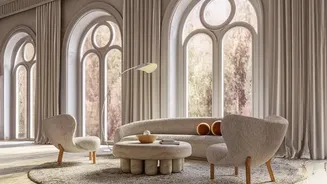
It is impossible to ignore the profound influence curved furniture has had on interior design. Serpentine sofas, cloud-like bouclé chairs, and tables with soft, rounded edges have dominated design feeds and showrooms. This movement was more than a fleeting
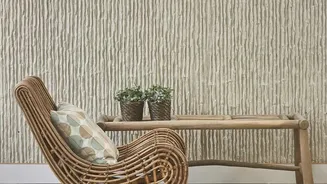
trend; it was a collective sigh of relief. Emerging from a period of global uncertainty, we sought to create homes that felt like sanctuaries—soft, nurturing, and safe. Curves, which mimic forms found in nature and the human body, offered a psychological comfort that the sharp angles of stark minimalism could not. They created flow, encouraged conversation, and made our spaces feel more welcoming and human.
A Quiet Craving for Order
Yet, as with any prevailing trend, a saturation point has been reached. Designers and homeowners are beginning to feel that a room composed entirely of curves can lack definition. While undeniably cozy, an overabundance of soft shapes can feel whimsical or even chaotic, leaving the eye searching for an anchor point. This has led to a subtle but significant shift. It's not a rejection of the curve, but a 'rebalance'. There is a growing desire to reintroduce the clarity, stability, and intentionality that comes from structure. One designer noted a move away from “exaggerated curves” and toward more refined, intentional shapes that feel enduring rather than novel.
What Is Visual Structure?
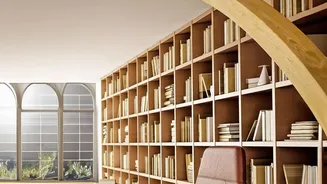
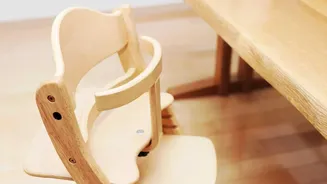
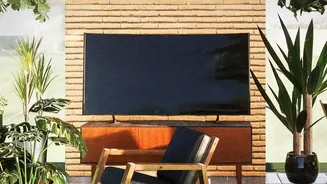
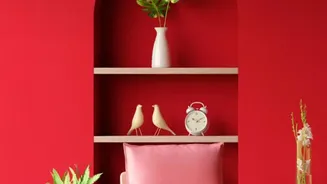
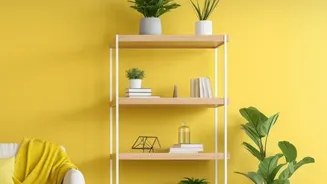
Visual structure is the framework that brings a sense of order and purpose to a room. It’s achieved through the deliberate use of straight lines, geometric shapes, and clear axes. Think of the crisp lines of a rectangular area rug, the strong vertical presence of a bookshelf, or the sharp, clean profile of a media console. These elements act as a counterbalance to softer forms, creating a pleasing tension and preventing the design from feeling one-note. While curves provide movement and flow, straight lines offer stability and grounding. When used together, they create a space that feels both dynamic and composed, sophisticated and comfortable.
Achieving the Perfect Balance
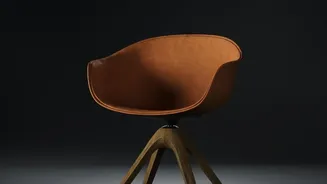
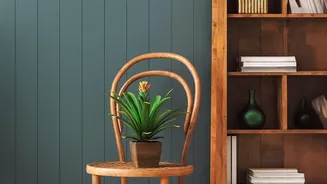
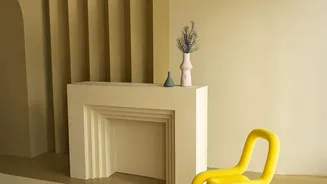
So, how does one master this rebalanced look without starting from scratch? The key is contrast and proportion. You don’t need to discard your beloved curved sofa. Instead, ground it. Place it on a large, rectangular rug to create a defined zone. Pair it with an angular coffee table or a streamlined side table to introduce a counterpoint of clean lines. If your room is dominated by linear architecture, a single sculptural, rounded armchair can soften the entire space. Some designers even suggest a 70/30 rule: let about 70% of your space be defined by straight, structural lines (including walls and flooring) and use the remaining 30% for curves and softer shapes. This ensures the room feels anchored but still has moments of inviting softness.