



The Great Escape from the Mainstream
For decades, the blueprint for a North Indian hill vacation was simple: head to established destinations like Mussoorie, Nainital, or Manali. But as these towns grapple with extreme overcrowding, traffic jams, and commercialisation, a growing wave of
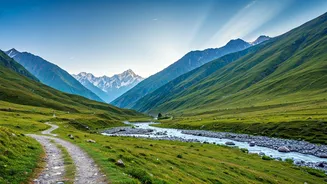
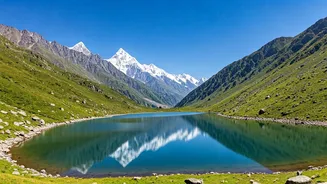
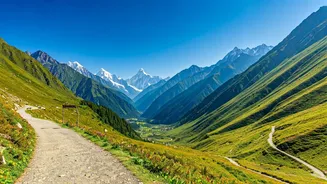
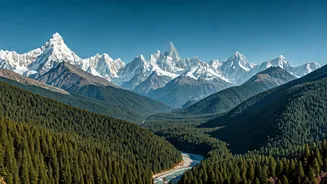
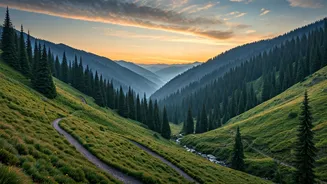
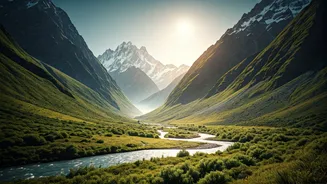
travellers is saying, "no, thank you". This isn't just about avoiding crowds; it's a fundamental shift in mindset. The new travel currency is peace, authenticity, and connection with nature—qualities that are increasingly hard to find on a bustling Mall Road. Recent data confirms this trend, showing a significant spike in bookings for mountain destinations, with a notable interest in lesser-known locations. Travellers are now actively seeking out serene villages and quiet corners where the main attraction is the silence itself.
Himachal’s Quieter Cousins: Tirthan Valley and Jibhi
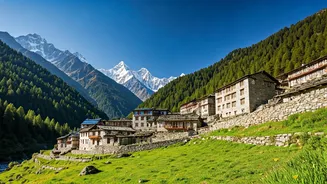
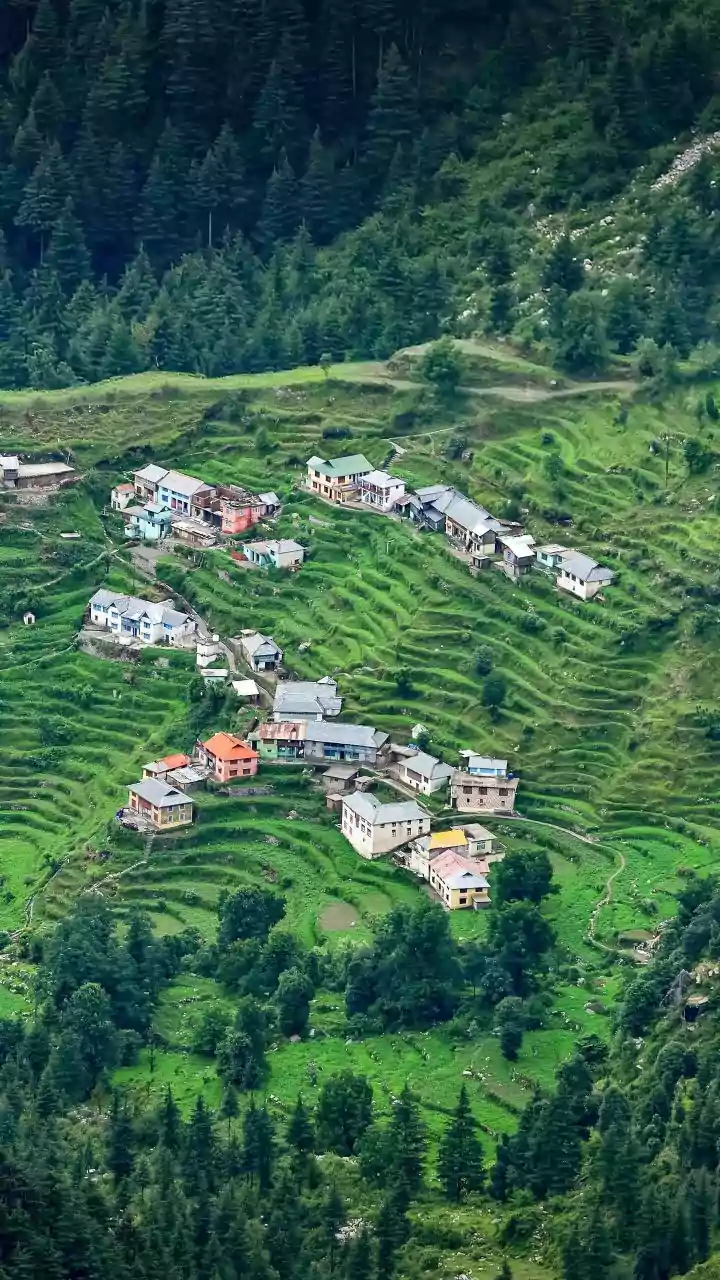
While Shimla remains popular, destinations like Tirthan Valley and Jibhi in Himachal Pradesh are emerging as the new heroes of hill travel. Tirthan Valley, located near the Great Himalayan National Park, offers a tranquil escape centered around its pristine river and lush forests. It’s a place for riverside camping, fishing for trout, and exploring forest trails instead of navigating traffic. Similarly, Jibhi has become a beloved spot for its traditional wooden houses, cosy cafes, and a laid-back vibe that feels a world away from commercial tourism. These destinations are perfect for what many are calling 'slow travel', where the goal is not to see everything, but to experience a place deeply.
Uttarakhand’s Kumaoni Charm
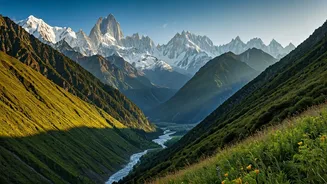
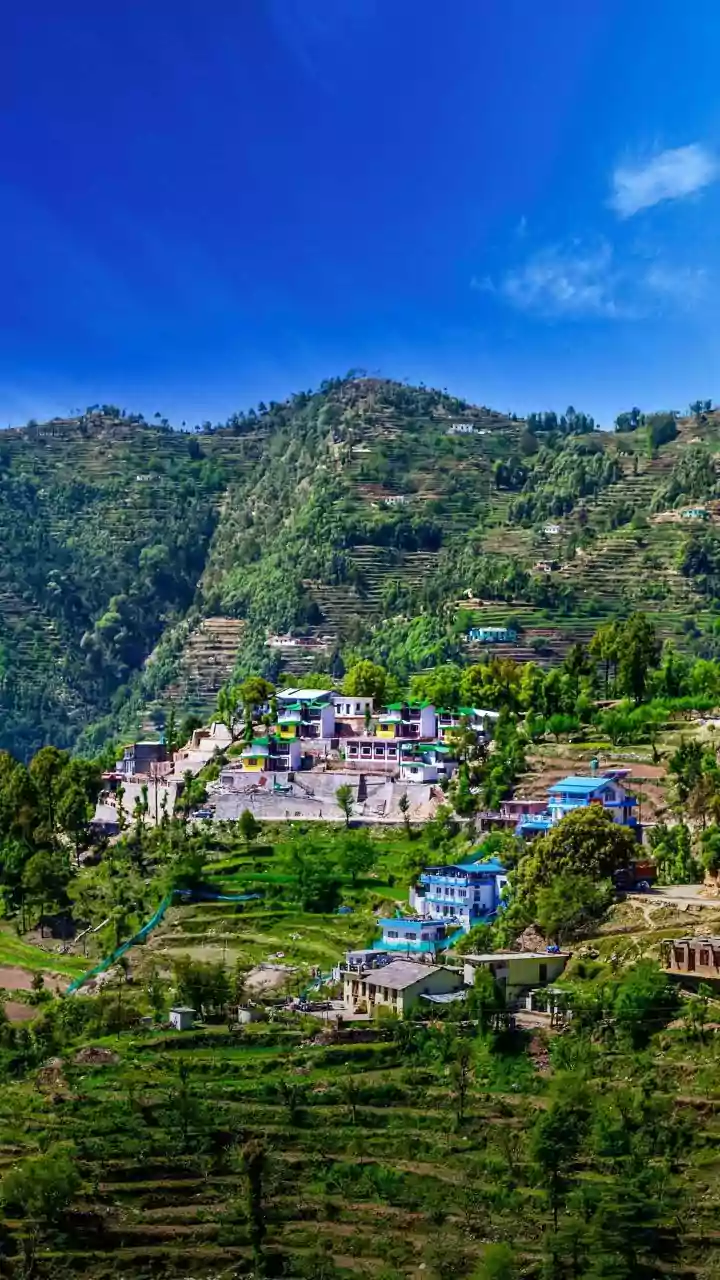
In Uttarakhand, the Kumaon region is gaining favour for its soul-soothing landscapes and picturesque hamlets. Places like Mukteshwar, with its stunning views of the Nanda Devi peak and fragrant apple orchards, offer a refreshing alternative to the state's busier towns. Other hidden gems include Chaukori, a tiny hamlet known for its tea gardens, and Pangot, a birdwatcher's paradise near Nainital with over 250 bird species. These lesser-known locations provide a peaceful environment where visitors can enjoy nature walks, stargazing, and the rustic charm of village life, far from the urban chaos.
The Rise of Boutique Homestays
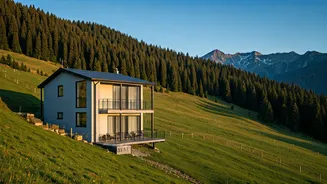
Powering this trend is the rise of boutique homestays and farm stays. These are not just places to sleep; they are destinations in themselves, offering curated and authentic experiences. Many are built using traditional architectural styles like Kath Kuni, using local wood and stone to blend seamlessly with their surroundings. Run by hosts who are passionate about the mountains, these homestays provide a personal touch that hotels often lack. They offer a chance to savour home-cooked local cuisine, learn about regional culture, and enjoy a quieter, more intimate form of travel. From riverside properties in Tirthan Valley to orchard-filled estates in Kumaon, these stays are redefining mountain hospitality.
More Than a View: A Shift to Experiential Travel
Ultimately, the move towards hidden hill escapes reflects a broader trend in travel: the demand for experiences over simple sightseeing. Today's travellers want to do more than just take pictures of mountains. They want to engage in activities like trekking, birdwatching, attending yoga retreats, or even learning to cook local dishes. This shift is also driven by a desire for more mindful and sustainable travel. By choosing smaller, locally-run establishments in less-crowded areas, travellers are not only finding the peace they crave but are also contributing to the local economy in a more direct and positive way. This trend suggests that the future of mountain tourism in North India lies not in building more large hotels, but in preserving the quiet, natural beauty that makes these hidden escapes so special.