

The Gut-Friendly Power of Pectin
The secret to why these preserves are so good for you lies in one key component: pectin. Citrus peels are incredibly rich in this type of soluble fiber. While you might know pectin as the ingredient that helps jam set, it also acts as a powerful prebiotic
in your digestive system. Prebiotics are essentially food for the beneficial bacteria living in your gut, like Bifidobacterium and Lactobacillus. By feeding these good microbes, pectin helps them thrive, which in turn supports a balanced microbiome, better digestion, and can even help reduce gut inflammation. When your gut bacteria ferment pectin, they produce short-chain fatty acids (SCFAs), which are crucial for maintaining a healthy intestinal lining and supporting your immune system.
Choosing and Preparing Your Peels
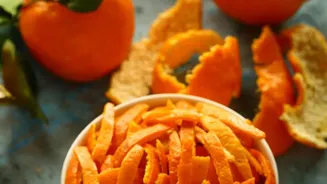
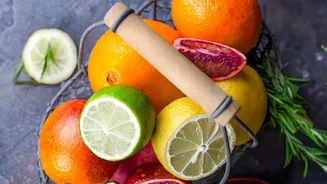
You can use the peels from almost any citrus fruit—oranges, lemons, grapefruit, or limes all work wonderfully. The most important factor is to start with clean, safe peels. Since pesticides can accumulate in the peel of conventionally grown fruit, it is highly recommended to use organic, unwaxed citrus. If you can't find organic, give your fruit a thorough scrub in hot water with a bit of baking soda to help remove surface residues and any wax coating. Once washed, peel your fruit. You can use a vegetable peeler to get thin strips or simply peel by hand and then slice the peels into your desired thickness. While some of the white pith is a great source of pectin, too much can make your preserves overly bitter, so try to find a good balance.
Step 1: Soften and De-Bitter the Peels
Raw citrus peel is tough and bitter, so the first step is to soften it and remove some of the harshness. Place your sliced peels in a saucepan and cover them with cold water. Bring the water to a boil, then reduce the heat and let them simmer for about 20-30 minutes, or until the peels are tender. Some recipes even call for boiling the peels two or three times, changing the water each time, to ensure a milder flavour. After the final boil, drain the water from the peels. This pre-cooking step is crucial for achieving a pleasant texture and taste in your final product.
Step 2: The Candying Process
Now it's time to turn those softened peels into a preserve. The basic method is to create a simple syrup. A good starting ratio is one part sugar to one part water. For a small batch, you might use 1 cup of sugar and 1 cup of water. Place the sugar and water in a saucepan and heat gently, stirring until the sugar is completely dissolved. Add your drained, softened peels to the syrup. Bring the mixture to a gentle simmer and let it cook over low heat. This process can take anywhere from 30 minutes to an hour. The peels will slowly become translucent as they absorb the syrup. Stir occasionally to prevent sticking. The goal is to cook them until the syrup has thickened and the peels are glistening and tender.
Optional Boost: Introducing Fermentation
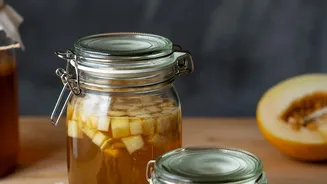
While the pectin-rich candied peels are already prebiotic, you can add a probiotic dimension through fermentation. There are two simple ways to approach this. For a salt-based ferment, you can pack chopped peels tightly into a jar, add a salt solution (about 1-2% salt by weight of the peels), and let it sit at room temperature for one to two weeks, 'burping' the jar daily to release gas. Alternatively, after candying, you can blend the peels into a paste with a little water and a fermentation starter (like whey from yogurt or a bit of water kefir) and let it ferment for several days. Fermentation not only adds beneficial probiotic bacteria but also develops a more complex, tangy flavour profile.
Storing and Enjoying Your Preserves
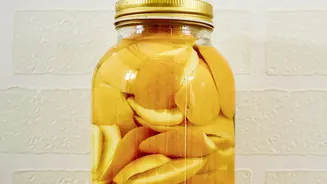
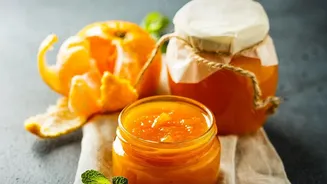
Once your candied peels are ready, you have a few options for finishing them. You can strain them from the syrup and roll them in granulated sugar for a classic candied peel treat, which can be dried in a low oven for a chewier texture. Or, you can store the peels directly in their syrup in a clean, airtight jar in the refrigerator. The syrup itself will be wonderfully infused with citrus flavour and is great in drinks or drizzled over desserts. These tangy preserves are incredibly versatile. Stir them into yogurt or oatmeal, chop them up for baked goods like scones and cakes, serve them with cheese, or simply enjoy a piece as a sweet and zesty snack.