





The Rise of the 'Staycation'
The traditional holiday is being redefined. According to the 'How India Travels 2026' report by Booking.com and research firm VIDEC Consultants, the choice of accommodation is no longer an afterthought but a primary driver of travel decisions. This trend
highlights that for many, the experience within the property—be it a villa, homestay, or unique rental—is more important than the location's name. The data is compelling: searches for alternative accommodations are growing significantly faster than those for traditional hotels. This signals a fundamental change in what travellers value, moving from sightseeing-heavy itineraries to retreats where the stay itself provides the escape and entertainment.
More Than Just a Room
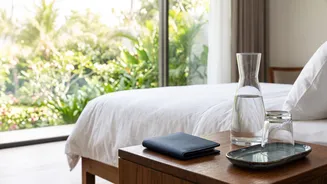
So, what’s behind this shift? It’s a quest for experiences, space, and authenticity. A staggering 87% of Indian travellers surveyed believe that alternative stays help create more meaningful holiday memories. Another 85% associate these properties with more authentic, local experiences. For groups and families, the appeal is even clearer. Imagine renting a large house instead of booking three separate hotel rooms. This setup allows for shared social spaces, the flexibility of a private kitchen, and the freedom to create a schedule that revolves around connection rather than hotel meal times. It's a move away from the formal structure of hotels toward a more personal and flexible way of holidaying.
Villas and Homestays Take Centre Stage
The alternative accommodation market in India, which includes villas, apartments, and homestays, is projected to be worth ₹415 billion by FY29. This isn't just a niche trend; it's a booming segment of the travel industry. The supply of these properties has more than doubled in recent years to meet rising demand. This growth is also helping to address a significant shortage of hotel rooms in the country, opening up tourism in new and emerging destinations that were previously off the mainstream holiday map. Cities like Greater Noida, Ghaziabad, and Indore have seen listings for alternative stays more than double in a single year, distributing tourism more evenly across the country.
Not Just for Leisure Anymore
This trend isn't limited to vacations. The report also notes that business travel is evolving. Business travellers accounted for 19% of alternative accommodation bookings in FY26, a figure expected to rise. For professionals on longer 'workcations' or those travelling with colleagues, the benefits are obvious. About 41% of business users cited extra living space and a separate workspace as key reasons for choosing such properties. The ability to have a functional kitchen, a common area for meetings, and a more 'home-like' environment makes these stays a practical choice for blending work and life on the road.
The New Travel Blueprint
Ultimately, this shift reflects a deeper change in what it means to take a break. Travellers are seeking more control, more privacy, and more memorable moments. Supporting local communities is also a growing motivator, with many travellers choosing alternative stays to have a more direct economic impact. The rise of the 'stay-led' holiday shows that Indians are not just booking a trip; they are curating an experience. The focus has moved from 'where you go' to 'how you want to feel', and increasingly, that feeling is found within the four walls of a carefully chosen home away from home.