
The Two Types of Dietary Iron
To understand why this pairing is so effective, it’s important to know that iron comes in two forms: heme and non-heme. Heme iron, found in animal products like red meat, poultry, and fish, is easily absorbed by the body. Non-heme iron is the type found in plant-based
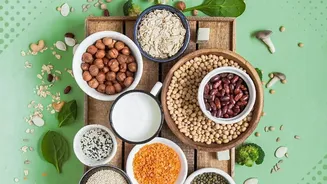
foods such as lentils, beans, tofu, spinach, and fortified grains. While abundant, non-heme iron is trickier for our bodies to absorb efficiently. In fact, it makes up the vast majority of iron in most diets, so maximising its absorption is key for everyone, not just vegetarians and vegans. This is where vitamin C enters the picture as a powerful ally.
How Vitamin C Unlocks Plant-Based Iron
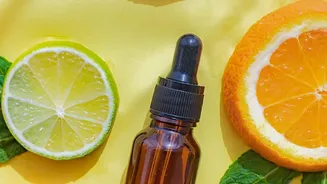
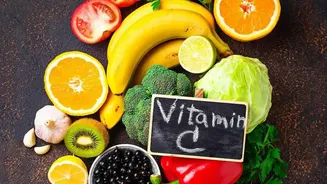
Vitamin C, also known as ascorbic acid, acts like a key that unlocks non-heme iron. Most plant-based iron is in a chemical form called ferric iron (Fe3+), which is difficult for our intestines to take in. Vitamin C is a powerful antioxidant that chemically changes the iron, converting it into the more soluble ferrous (Fe2+) state. This is the specific form that our intestinal cells are designed to absorb. Essentially, vitamin C transforms the iron into a more bioavailable version, ensuring more of it enters your bloodstream instead of passing through your system. Studies have shown that the presence of vitamin C can dramatically enhance non-heme iron absorption, with some research indicating it can increase it several times over.
Powerful Plant-Based Pairings
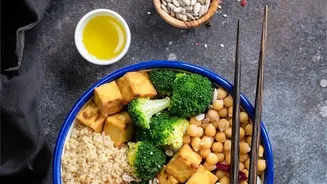
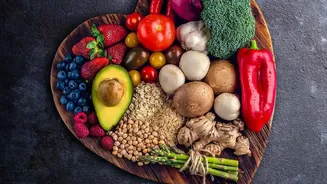
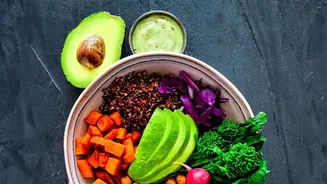
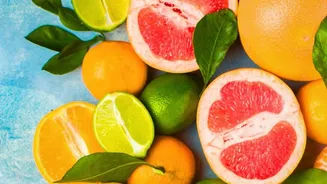
Putting this science into practice is both easy and delicious. The goal is to combine a good source of plant-based iron with a food rich in vitamin C in the same meal. You don't need huge quantities of vitamin C to make a difference; the amount in half a large bell pepper or a medium orange is often enough to significantly boost absorption. Think about colour and freshness when planning your meals. A vibrant plate is often an iron-optimized one. Here are some effective combinations to get you started: Lentil Soup & Lemon: A warm bowl of lentil soup becomes an iron powerhouse with a generous squeeze of fresh lemon juice before serving. Spinach Salad & Strawberries: Instead of a heavy dressing, top a spinach salad with sliced strawberries and a citrus vinaigrette. The vitamin C in the berries and dressing helps unlock the iron in the spinach. Tofu Stir-Fry & Bell Peppers: Tossing brightly coloured red and yellow bell peppers into your tofu or tempeh stir-fry is a classic way to boost absorption. Broccoli is another great addition that provides both iron and vitamin C. Oatmeal & Berries: Start your day by topping your iron-fortified oatmeal with a handful of fresh berries like strawberries or kiwi. * Bean Burrito & Salsa: The tomatoes and lime juice in fresh salsa provide the vitamin C needed to help you absorb the iron from the black or pinto beans.
What to Avoid: Iron Inhibitors
Just as some foods enhance iron absorption, others can block it. It's helpful to be aware of these so-called "inhibitors" and to time your meals accordingly. The main culprits are compounds called phytates and polyphenols. Phytates are found in whole grains, legumes, and nuts, while polyphenols (including tannins) are abundant in coffee and tea. Even a single cup of coffee with a meal can reduce iron absorption significantly. Calcium can also compete with iron for absorption. This doesn't mean you have to give up these foods. Instead, try to consume your coffee or tea at least an hour before or after your iron-rich meals. If you take calcium supplements, it's best to take them at a different time of day than your main iron sources.