




The Squeeze of the 'New' City
Not long ago, cities like Pune, Lucknow, Jaipur, and Coimbatore were considered relaxed alternatives to the chaos of Mumbai or Delhi. Today, they are economic powerhouses in their own right, complete with the accompanying traffic, pollution, and high-pressure
jobs. This increasing urbanisation means the very 'push' factors that drove metro residents to seek solace are now being felt more acutely in Tier 2 cities. The daily grind is no longer a metropolitan monopoly. The desire for a break from noise, crowds, and poor air quality has become a powerful motivator for weekend travel, pushing residents to look for an escape that is both physically and mentally refreshing.
The Pull of the Open Road
This urban exodus is being met by a crucial enabler: massively improved infrastructure. A decade of focus on expanding India's highway network has drastically cut travel times. New expressways and smoother national highways mean that destinations once considered too remote for a three-day trip are now comfortably within reach. Recent travel data shows that the fastest-growing road trip corridors are not just between major metros, but regional routes connecting Tier 2 cities to leisure destinations. For residents of cities like Ahmedabad, the trip to Vadodara or a nearby retreat is easier than ever, making the spontaneous road trip an integral part of the long-weekend culture.
A Search for Slower, Authentic Stays
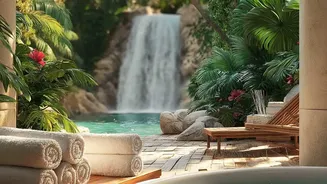
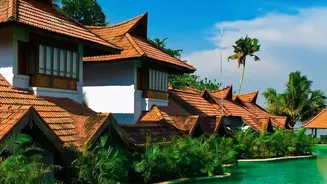
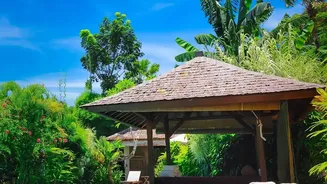
The post-pandemic mindset has fundamentally shifted what travellers want from a getaway. There is a growing fatigue with crowded, checklist-driven tourism. Instead, people are seeking slower, more authentic experiences that allow them to connect with nature and local culture. This has fuelled the rise of 'micro-tourism'—short, purposeful trips to less-crowded locales. Travellers are skipping large, impersonal hotels in favour of boutique homestays, eco-resorts, and curated villas that offer privacy and a genuine sense of place. These smaller establishments, often located in serene natural settings, provide the perfect antidote to the stresses of urban life.
Wellness as the New Luxury
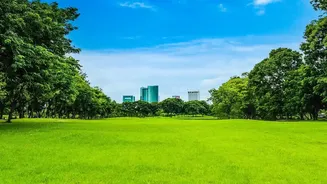
The definition of luxury is changing. For many, it's no longer about opulent lobbies but about clean air, quiet surroundings, and mental peace. The search for wellness is a significant driver behind the flock to green getaways. These natural escapes offer a built-in wellness retreat: the air is cleaner, the pace is slower, and the environment encourages activities like walking and hiking. This trend is so powerful that it's even influencing real estate, with a rising demand for second homes in hill stations and other nature-rich areas. For a long weekend, these green destinations offer a quick and effective lifestyle reset, allowing travellers to return to the city feeling rejuvenated.
The Digital Nomad Effect, Miniaturised
While not everyone is a full-time digital nomad, the principles of remote and flexible work have trickled down to create the 'weekend warrior'. The normalisation of hybrid work models has given many professionals in Tier 2 cities greater flexibility. Taking an extra day off or working remotely on a Friday or Monday has become more feasible, extending a regular weekend into a mini-vacation. This flexibility, combined with the rising disposable incomes in smaller cities and the ease of online booking, has empowered a new generation of travellers to explore their own backyards more frequently and spontaneously.