




First, Decode the Weather Alert
The India Meteorological Department (IMD) uses a colour-coded system to warn citizens of potential weather hazards. Understanding these is the first step in smart travel planning. A Green alert means all is well. A Yellow alert means "Be Aware"; it signals
that weather could deteriorate and disrupt daily activities. An Orange alert means "Be Prepared" for extremely bad weather that could interrupt road, rail, and air travel. A Red alert is the highest warning, meaning "Take Action." It indicates a significant risk to life and property from events like extremely heavy rainfall, and authorities may advise against any travel. Knowing whether you're facing a 'be aware' or 'take action' scenario is crucial.
Your Pre-Travel Master Plan
Before you even step out of the door, solid planning can mitigate most risks. Start by checking the latest weather forecasts and local advisories for your entire route, not just your destination. Recent IMD bulletins, for example, have flagged heavy rainfall across states like Madhya Pradesh, Uttarakhand, and several in the Northeast. Inform a family member or friend of your itinerary and expected arrival time. If driving, ensure your vehicle is monsoon-ready: check tyre treads for good grip on slippery roads, test your brakes, and make sure your wipers and headlights are working perfectly. Finally, build buffer time into your schedule. Delays due to waterlogging or traffic disruptions are common, and a flexible itinerary reduces stress.
On the Road: Navigating Puddles and Potholes
Driving during a downpour requires a different mindset. The most important rule is to reduce your speed; wet roads can significantly increase braking distances. Avoid driving through waterlogged streets if possible. If you must cross a flooded patch, assess its depth—anything deeper than the bottom of your car's bumper is a risk. Drive slowly in a low gear with the engine revs high to prevent water from entering the exhaust pipe. Crucially, if your car stalls in water, do not try to restart it. This can cause 'hydrostatic lock,' leading to severe and expensive engine damage. It's safer to call for roadside assistance.
Train and Air Travel Considerations
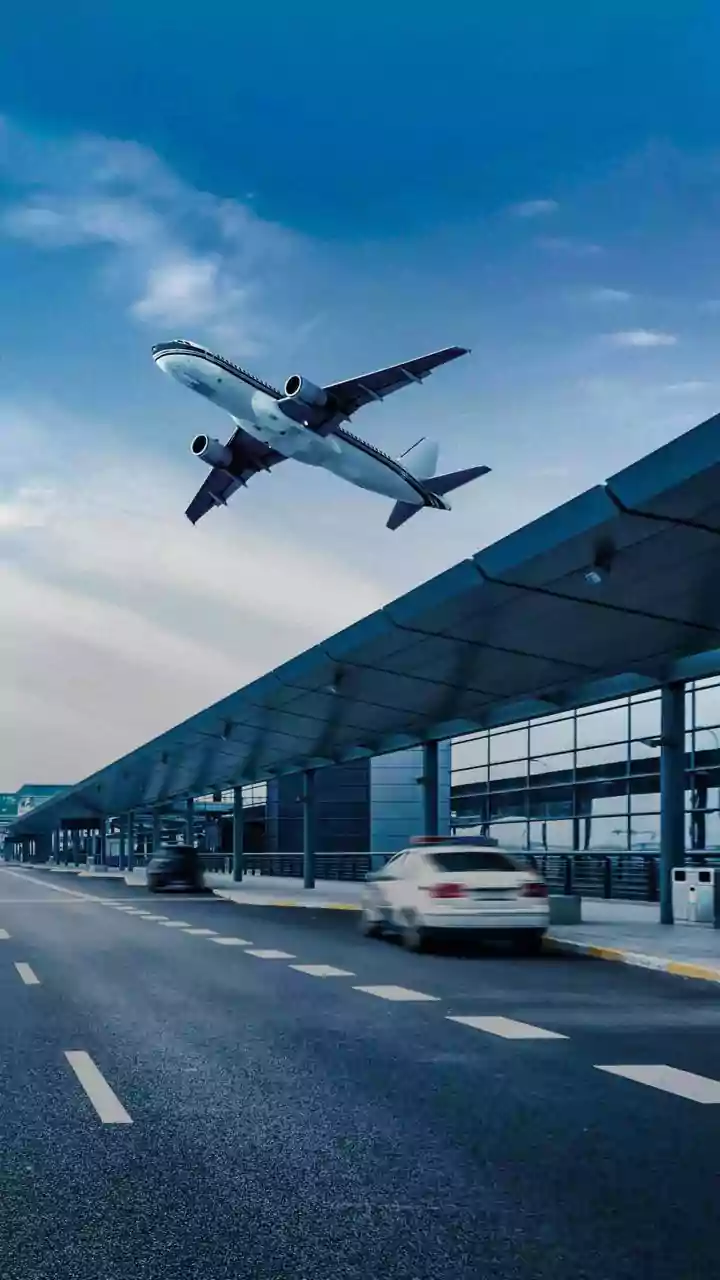
While often safer than roads, trains and planes are also subject to monsoon disruptions. Heavy rains can lead to waterlogged tracks, causing significant delays or cancellations. In hilly regions, landslides pose a real threat to rail lines. Before heading to the station, use apps to check the live running status of your train. Air travel is similarly affected, with poor visibility and strong winds causing delays and diversions. Recent heavy rains in Delhi led to numerous flight cancellations. Always check your flight status before leaving for the airport and allow extra time for getting there.
The Essential Monsoon Go-Bag
A small, well-packed emergency kit can be a lifesaver. Your kit should be waterproof or contain items in sealed plastic bags. Essentials include a fully charged power bank for your phone, a flashlight with extra batteries, and a basic first-aid kit with antiseptic, bandages, and any personal medications. Pack some non-perishable snacks and bottled water, as food availability can be disrupted. A change of quick-drying clothes and a microfiber towel can make a huge difference if you get wet. Finally, keep digital and physical copies of your important documents in a waterproof pouch.