




The Core Philosophy: Think Ingredients, Not Recipes
The first step is a mental shift. Instead of viewing recipes as rigid instructions that require a whole new shopping list, start seeing your ingredients as flexible building blocks. This strategy, known as ingredient overlap, is about choosing versatile
items that can perform multiple jobs throughout the week. A bag of potatoes isn't just for one side dish; it can be roasted, mashed, or sliced for home fries. A pack of chicken thighs can be the star of several distinct meals. This approach simplifies shopping, reduces waste, and, surprisingly, makes your cooking more creative by forcing you to think about transformation. Your grocery list becomes shorter, your fridge less cluttered, and your weeknight meal prep significantly easier.
Identify Your Foundational Staples
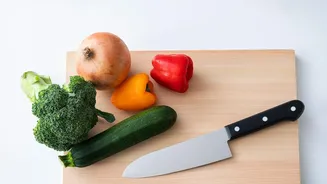
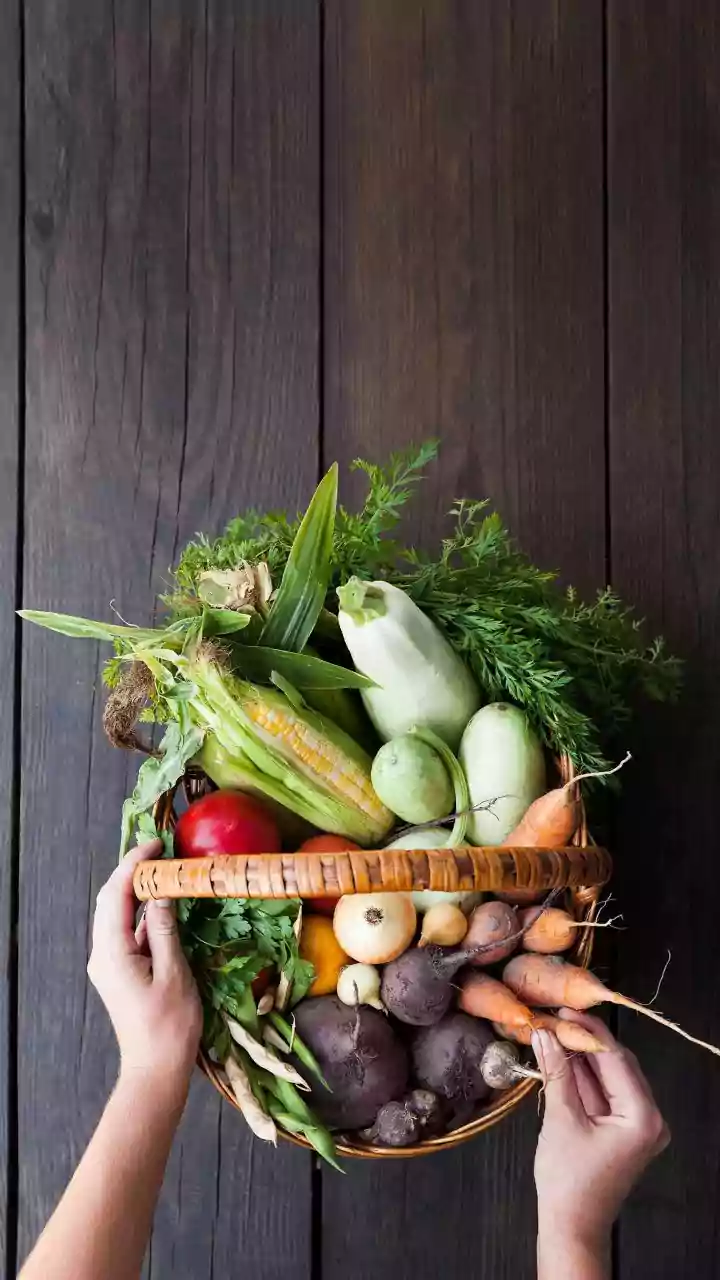
You don't need a pantry overflowing with dozens of items. Start with a few workhorse ingredients. A good framework is to select a versatile protein, a sturdy grain, a couple of robust vegetables, and a flavour base. For example, chicken thighs are a great protein because they stay moist and are forgiving. Pair that with rice, which can be a simple side, the base of a stir-fry, or a key part of a soup. Add hearty vegetables like broccoli, peppers, or onions that hold up well. These become your core purchases for the week. The goal is to buy items with intention, knowing they have more than one job to do in the coming days.
Mastering the Power of Technique
This is where the magic happens. The same ingredient can taste completely different depending on how you cook it. Let's take our chicken thighs as an example. On Sunday, you could roast them with salt, pepper, and herbs for a classic dinner. On Monday, shred the leftover roasted chicken and toss it with barbecue sauce for pulled chicken sandwiches. On Tuesday, dice up some of the remaining uncooked thighs and stir-fry them with vegetables and soy sauce for a quick Asian-inspired dish. On Thursday, you could simmer the last of the thighs in a flavourful broth with spices to create a simple curry. Roasting, frying, braising, and grilling each bring out different textures and flavours from the exact same starting product, giving you variety without a varied shopping list.
Putting Your Plan into Action
Let's map out a simple weekly plan. Start by checking what you already have to avoid buying duplicates. Then, plan meals that build on each other.
Day 1: Roast a whole chicken with potatoes and carrots. You're cooking your protein and vegetables for two meals at once.
Day 2: Take the leftover shredded chicken and combine it with pre-cooked rice, black beans, and salsa for quick burrito bowls.
Day 3: Use the leftover roasted potatoes and carrots. Chop them up and sauté with onions and peppers to create a flavourful hash, topped with a fried egg.
Day 4: Simmer the chicken carcass with vegetable scraps to make a simple broth. Add noodles and any remaining vegetables for a comforting chicken noodle soup.
This method ensures that what you cook on day one becomes a valuable head start for the rest of the week.
Expand Your Flavour Toolkit
Once you have your core staples and techniques down, the key to avoiding boredom is a well-stocked “flavour pantry.” This doesn't mean buying dozens of obscure ingredients. Instead, focus on versatile sauces, spices, and condiments that can completely change a dish's profile. A simple can of tomatoes can become a pasta sauce, a soup base, or a shakshuka. Items like soy sauce, curry paste, various vinegars, and spice blends like Italian seasoning or taco seasoning allow you to take your staple chicken and rice and pivot it from Italian to Mexican to Asian with minimal effort. These shelf-stable items are a low-cost, high-impact way to ensure your overlapping ingredients never feel repetitive.