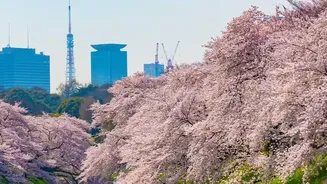







A Symphony of Pink in the Himalayas
Sikkim's cherry blossoms are an unusual delight, arriving in autumn rather than spring. From late October to November, the Himalayan wild cherry trees burst into flower, painting the landscape in soft pink hues. The epicentre of this natural event is the Temi
Tea Garden in South Sikkim, the state's only tea estate. Here, the delicate pink flowers create a stunning contrast against the vibrant green of 400 acres of tea bushes, with the snow-capped peak of Kanchenjunga often visible in the background. The Sikkim Cherry Festival, scheduled to run from November 14th to November 28th, is designed to celebrate this unique seasonal beauty. Organized by the Temi-Tarku Tourism Development Committee (TTTDC) in association with the Temi Tea Estate, the event aims to showcase the region's natural splendour and cultural richness.
What to Expect at the Festival
The 2026 festival promises a vibrant mix of cultural programmes and adventure activities. Visitors can look forward to evening musical concerts, traditional attire displays, and a flower exhibition. Food stalls will offer local Sikkimese cuisine, while the famed organic Temi tea will be available for tasting and purchase. For the more adventurous, the festival includes activities like hiking to Tendong Hill, horse riding, zip-lining, and ATV rides. A key highlight is the focus on community-based tourism, aiming to provide economic opportunities for locals and establish Temi as a premier tourism destination. The event is expanding significantly this year, running for 15 days to give more visitors a chance to experience the peak bloom.
A Festival with a Conscience
What sets the Sikkim Cherry Festival apart is its deep-rooted commitment to sustainability. Sikkim has long been a pioneer in environmental conservation in India, and this ethos is central to the festival's planning. Organisers and local authorities have made waste management a top priority, a crucial measure given the expected influx of tourists. In preparatory meetings, officials highlighted the need to avoid the roadside littering seen in previous years and stressed a strict prohibition on littering. The Temi-Tarku Tourism Development Committee is spearheading these efforts, ensuring the celebration doesn't come at the cost of the fragile Himalayan ecosystem.
The Green Action Plan
The waste management strategy is comprehensive. During the festival, the local administration conducts joint inspections of stalls and shops to ensure vendors adhere to hygiene and sanitation standards. Measures include ensuring washroom facilities are available and accessible, with a goal of one for every four stalls. There is a strong emphasis on community participation, with calls for residents to use social media to raise awareness about keeping the area clean. The Temi Tea Estate has also been asked to depute personnel specifically to assist with maintaining cleanliness throughout the event. These actions are part of a broader effort to uphold public health and ensure a pleasant environment for both locals and visitors, reflecting Sikkim's identity as a leader in eco-tourism.
How Visitors Can Contribute
The success of a green festival depends not just on the organisers, but on the visitors as well. Tourists attending the Sikkim Cherry Festival are encouraged to be mindful of their environmental impact. Simple acts can make a big difference: carry a reusable water bottle to reduce plastic waste, dispose of all garbage in the designated bins, and respect the local guidelines against littering. Supporting local businesses and homestays that practice sustainability is another way to contribute positively to the community. By embracing the principles of responsible tourism, visitors can help preserve the pristine beauty of Temi for years to come, ensuring the cherry blossoms remain a symbol of harmony between people and nature.