


Rethink Your Skincare
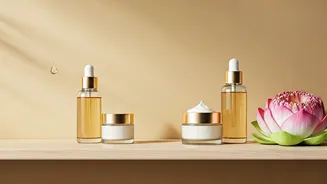
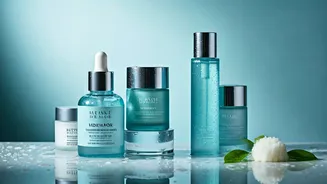
High humidity often leads to increased oil production and clogged pores, making breakouts more frequent. [10, 29] The key is to switch to lighter, water-based products. Start with a gentle, non-stripping cleanser twice a day to remove grime and excess
oil. [29, 31] If you have acne-prone skin, a cleanser with salicylic acid can help keep pores clear. [12] Follow this with a lightweight, non-comedogenic moisturiser. [10, 25] Gel-based formulas containing ingredients like hyaluronic acid provide hydration without feeling heavy or greasy. [23, 7] Exfoliating once or twice a week is also crucial to slough off dead skin cells that can build up in the humid environment. [6, 27] And most importantly, don't skip sunscreen. UV rays penetrate through the clouds, so a broad-spectrum, gel-based sunscreen (SPF 30 or higher) is non-negotiable. [12, 25]
Tame That Monsoon Frizz
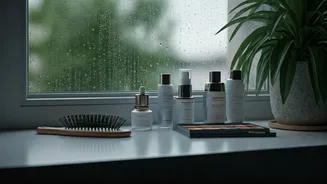
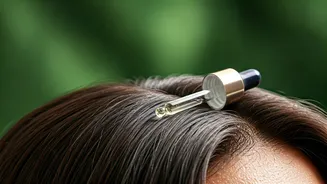
Humidity is the main culprit behind frizzy hair during the monsoon. The moisture in the air causes the hair shaft to swell, leading to frizz and unmanageability. [4] To combat this, start with a gentle, sulphate-free shampoo and a hydrating conditioner to seal the hair cuticle. [4] Limiting hair washing to 2-3 times a week can prevent stripping your hair of its natural oils. [2] Incorporating a weekly hair oiling session with coconut or argan oil can also create a protective barrier. [4] After washing, use a leave-in conditioner or an anti-frizz serum to lock in moisture and smooth the cuticles. [2, 4] Instead of a rough towel, gently squeeze excess water from your hair with a microfiber towel or a soft cotton t-shirt to minimise friction and frizz. [4] Protective hairstyles like ponytails or buns can also shield your hair from the damp air. [21]
Monsoon-Proof Your Makeup
Keeping your makeup from melting away in the rain and humidity requires a strategic approach. Start with a silicone-based, mattifying primer to create a water-resistant barrier. [18] For your base, opt for lightweight options like a skin tint or a water-resistant BB cream instead of heavy foundations. [18] When it comes to colour, powder-based products generally hold up better than creams in humidity; cream blushes and bronzers can streak or bleed. [13] For eyes, waterproof eyeliner and mascara are absolute must-haves to prevent the dreaded 'raccoon eyes'. [14, 22] For lips, long-wear liquid matte lipsticks or lip tints are your best bet, as creamy formulas are likely to transfer and smudge. [13] A final spritz of a makeup setting spray will lock everything in place for hours. [14]
Pay Attention to Your Feet
One often-neglected area during the monsoon is the feet. Walking through puddles and wearing damp shoes for extended periods creates a perfect breeding ground for fungal infections like Athlete's Foot. [3, 19] This condition can cause itching, peeling, and burning skin between the toes. [3] To prevent this, it's essential to keep your feet clean and dry. [5] Always change out of wet shoes and socks as soon as possible. [19] After washing your feet, dry them thoroughly, paying special attention to the areas between your toes. Using an antifungal powder can help absorb moisture and prevent infections. [5, 10] Avoid walking barefoot, even indoors, to minimize contact with damp surfaces. [16]
Combat Common Skin Infections
The damp and humid conditions of the monsoon are ideal for various skin infections to thrive. [5] Besides acne, folliculitis (inflamed hair follicles) and ringworm are common. [16] Good hygiene is your first line of defense. [5] Wear loose, breathable cotton clothing to allow your skin to breathe and prevent sweat from getting trapped. [10] Always change out of damp clothes immediately. [10] Using an antibacterial body wash can also help, especially if you're prone to body breakouts or boils. [10] Natural ingredients with antibacterial properties like tea tree oil and neem can be beneficial additions to your routine. [29, 15]