


Hydration is Your Foundation
Before you even think about changing what you eat, focus on what you drink. Water is crucial for proper digestion and helps your body's natural cleansing processes work efficiently. Aim to drink plenty of water throughout the day. Start your morning with
warm water, perhaps with a squeeze of lemon, to kick-start your metabolism. Herbal teas like ginger, peppermint, or fennel (saunf) are also excellent choices, as they can soothe the digestive system and reduce bloating. Limiting sugary drinks and excessive caffeine can also give your system a much-needed break before the rich, festive beverages start flowing. Coconut water is another fantastic option to stay hydrated while getting a dose of electrolytes.
Incorporate Probiotic-Rich Foods
A healthy gut is all about balance. Probiotics, the 'good' bacteria, are essential for maintaining this balance, especially when your diet is about to be challenged by festive treats. Including probiotic-rich foods in the days leading up to the celebrations can support your gut microbiome. Plain yogurt or dahi is a powerhouse of probiotics and a staple in many Indian households. Buttermilk (chaas) is another traditional digestive aid that is both cooling and beneficial for the gut. If you enjoy them, fermented foods like kefir, kimchi, or even a plain dosa made from fermented batter can contribute to a resilient digestive system.
Prioritise Light, Fibre-Rich Meals
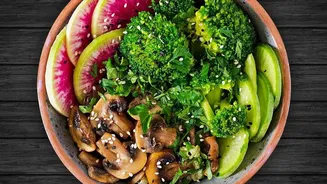
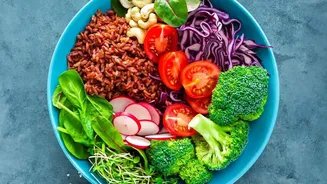
To prepare for rich festival foods, lighten your load beforehand. Focus on meals that are easy to digest. Simple, home-cooked food is your best friend. Think moong dal khichdi, vegetable daliya, or a simple sabzi with roti. These dishes provide sustained energy without being heavy on the stomach. Fibre is key to keeping things moving smoothly, so incorporate plenty of vegetables and whole grains. Leafy greens like spinach (palak) and fenugreek (methi) are particularly beneficial. Swapping white rice for brown rice or other whole grains can also increase your fibre intake gradually. However, don't suddenly overload on fibre if you're not used to it, as that can cause discomfort; a gradual increase is best.
Lighten Up Your Evening Meals
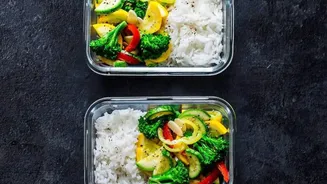
One of the most effective ways to feel more energized is to make your last meal of the day the lightest. A heavy dinner can lead to indigestion and disrupt sleep, leaving you feeling groggy in the morning. Try to have your dinner at least two to three hours before you go to bed. This gives your body ample time to digest. A warm vegetable soup, a bowl of dal, or steamed vegetables are excellent dinner choices. This simple habit can make a significant difference in reducing feelings of bloating and heaviness, ensuring you wake up feeling refreshed and ready for the day's festivities.
Reduce Processed Foods and Sugar
In the week before the festival season kicks into high gear, try to minimise your intake of processed foods, refined flours, and added sugars. These foods can contribute to inflammation and make your digestive system work overtime, leading to fatigue. By cutting back on packaged snacks, sweets, and fried items, you give your gut a chance to rest and recover. This doesn't mean you have to deprive yourself completely. Instead, opt for whole foods like fresh fruits, nuts, and seeds when you need a snack. This 'clean-up' phase helps reset your palate and your system, making the festive indulgences feel more like a treat.
Don't Forget Gentle Movement
Preparing your gut isn't just about diet. Gentle physical activity plays a vital role in stimulating digestion and reducing bloating. You don't need an intense workout; a simple 15-20 minute walk after meals can do wonders. Light stretching or yoga can also help improve circulation and support your digestive processes. Movement helps keep food moving through your digestive tract, preventing that uncomfortable 'stuck' feeling. Incorporating this habit before the festival ensures it's part of your routine, making it easier to continue even during the busy celebratory period.