







The Simple Science of Food Order
The concept is known as 'food sequencing' or the 'vegetable-first' approach. It isn’t about restricting what you eat, but rather when you eat it during a meal. The core idea is to consume non-starchy vegetables and protein-rich foods before you eat your
carbohydrates, such as rice, bread, or potatoes. This simple strategy has been gaining attention from researchers and nutritionists for its significant impact on post-meal blood sugar levels, also known as postprandial glucose. By front-loading your meal with fibre and protein, you create a buffer that changes how your body processes the carbs that follow.
How Veggies Act as a Protective Buffer
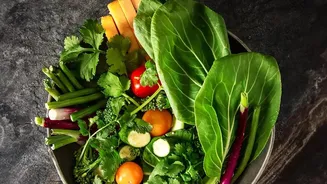
The magic behind this method lies primarily in dietary fibre. When you eat raw or lightly cooked vegetables first, their soluble fibre dissolves in water and forms a gel-like substance in your stomach. This viscous layer physically slows down digestion. It delays the emptying of your stomach and slows the breakdown and absorption of the carbohydrates you eat afterwards. Instead of a rapid flood of sugar entering your bloodstream from the quick digestion of rice or bread, you get a much slower, more gradual release. This prevents the sharp 'spike' in blood glucose that can leave you feeling tired and trigger cravings later. Think of it as creating a natural traffic controller in your gut.
What the Research Shows
This isn't just a wellness theory; it's backed by clinical evidence. Several studies have demonstrated the powerful effect of food order. Research published in the journal Diabetes Care found that when participants ate protein and vegetables before carbohydrates, their post-meal glucose levels were significantly lower—by about 29% at 30 minutes and 37% at 60 minutes—compared to when they ate carbs first. Another study focusing on individuals with prediabetes confirmed these findings, showing that eating vegetables first attenuated glucose peaks. The effect is so noticeable that some researchers compare its magnitude to that of certain medications used to target post-meal blood sugar. This strategy also leads to a lower insulin response, as the body doesn't need to release as much insulin to manage the slower-arriving glucose.
Making It Work With Indian Meals
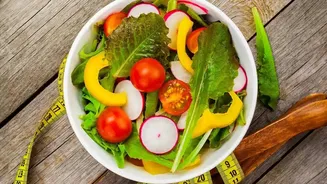
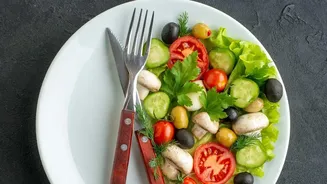
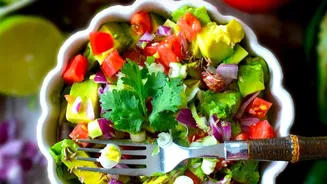
Incorporating this into a typical Indian diet is surprisingly easy. You don't need to prepare a separate, elaborate salad course. Simply begin your meal with the vegetable components that are already there. Start with a small bowl of kachumber (cucumber-tomato-onion salad), a few slices of raw carrot and cucumber, or even the sabzi (cooked vegetable dish) on your thali before you reach for the roti, dal, or rice. If you're having soup, have that first. The goal is to get that fibre in your system about 10-15 minutes before the main carbohydrate source. This simple habit can be applied to almost any meal, whether at home or eating out, without requiring any drastic changes to your favourite dishes.
Beyond Blood Sugar Control
The benefits of eating your vegetables first extend beyond just managing glucose levels. Because fibre slows digestion and promotes fullness, this habit can be a powerful tool for weight management. Starting your meal with a low-calorie, high-volume food like a salad can lead you to feel satiated sooner, potentially reducing your overall calorie intake during the meal without feeling deprived. This method also supports better overall metabolic health and can lead to more stable energy levels throughout the day, helping you avoid the dreaded post-lunch slump. Furthermore, it encourages the secretion of hormones like GLP-1, which not only aids in glucose control but also helps regulate appetite.