

Choose Your Powder Wisely
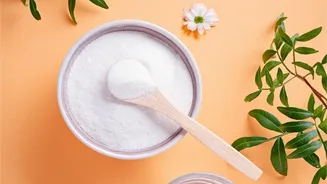
Not all protein powders behave the same in the kitchen. For cooking, the most important choice is between flavoured and unflavoured. Unflavoured is essential for savoury dishes like dal or roti dough, as vanilla or chocolate notes don't mix well with
tadka. Beyond that, the type of protein matters. Whey protein, the most common type, can become rubbery when heated too much, making it better for no-bake recipes or for stirring into already-cooked foods like oatmeal. Casein protein, on the other hand, absorbs more liquid and helps keep baked goods moist, making it a better choice for things like muffins or pancakes. Plant-based powders (like pea or rice blends) can also work well, especially in savoury cooking, but often have a mild earthy taste that's best masked by spices.
Master the Art of the Mix
The single biggest mistake when cooking with protein powder is dumping it directly into hot liquid. This 'shocks' the protein, causing it to clump instantly. The golden rule is to create a slurry first. In a small bowl, mix your scoop of powder with a few tablespoons of cold or room-temperature liquid (like water or milk) and whisk it into a smooth, lump-free paste. You can then slowly stir this paste into your warm soup, curry, or sauce towards the end of the cooking process. For baking, the best technique is to treat it like any other dry ingredient. Sift the protein powder along with your flour and spices to ensure it's distributed evenly before you add any wet ingredients. This prevents dense pockets of powder in your finished product.
Easy Wins: Breakfast and Sweet Dishes
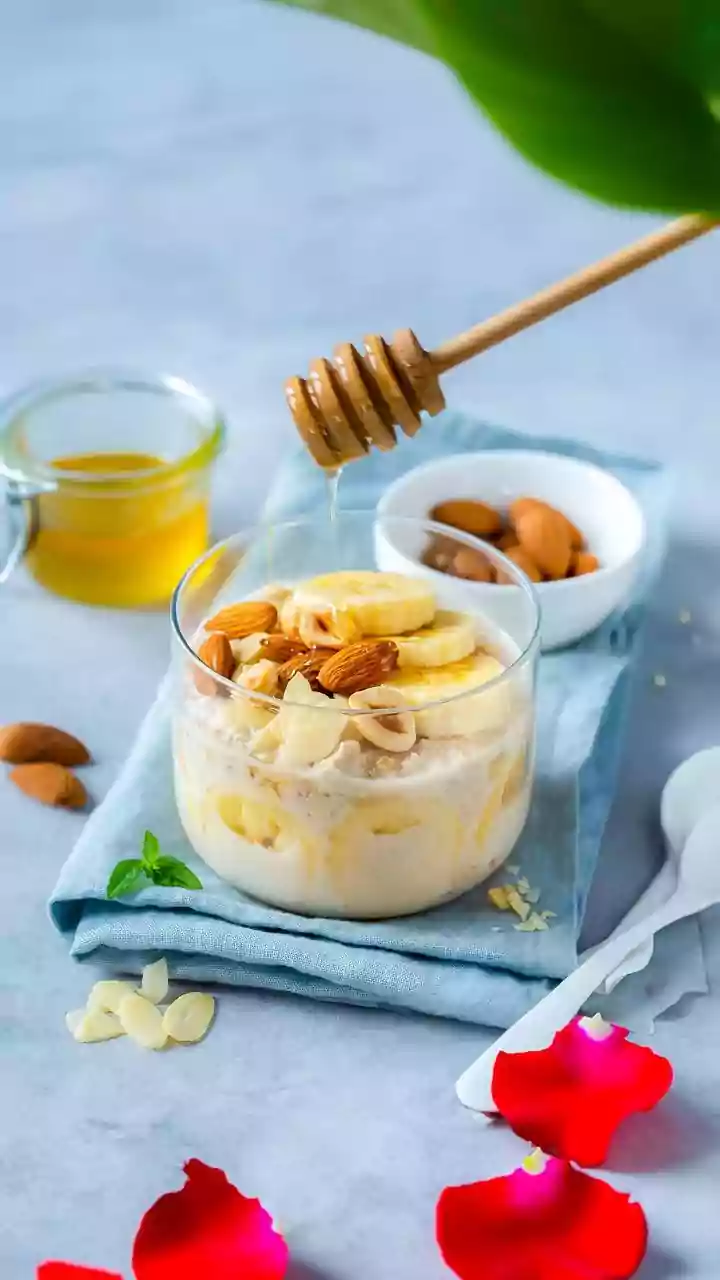
Breakfast is often the easiest meal to fortify. For oatmeal or porridge, cook it as you normally would, let it cool for a minute, and then stir in your protein powder. For smoothies, blend your fruit and liquids first, then add the powder at the end for a final, quick blend to prevent a frothy texture. Protein pancakes are another popular option; simply add a scoop of powder to your batter, but be prepared to add a little extra milk or water, as the powder will absorb liquid and thicken the mix. Flavoured powders like vanilla, chocolate, or chai spice work beautifully in these applications. You can also stir a scoop into a bowl of curd or yogurt, which requires no cooking at all.
Go Savoury: Fortifying Indian Meals
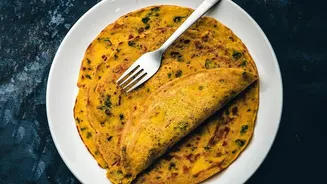
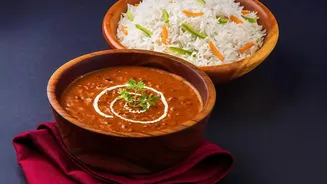
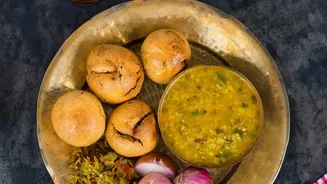
This is where unflavoured protein powder truly shines. One of the simplest uses is adding it to your atta before kneading. Start with one scoop per cup of flour, mix it in thoroughly while dry, and then add slightly more water than usual as the powder makes the dough thirstier. This works for rotis, parathas, and theplas. Another great option is adding it to batters for cheela or uttapam; the flavour of besan or fermented batter easily masks the taste of the powder. For liquid dishes like dal, sambar, or vegetable curries, remember the slurry rule: make a paste with water first, and then stir it into the cooked dish after you've turned off the heat. This adds a protein boost and can also help to slightly thicken the consistency.
To ensure your food remains delicious, avoid a few common pitfalls. First, don't overdo it. Start with a small amount, like half a scoop for a multi-serving dish, and see how you like the result. Trying to replace all the flour in a baking recipe with protein powder will lead to a dry, rubbery texture. A good rule is to replace no more than a third of the flour. Second, be mindful of heat. High, direct heat can ruin the texture, so add the powder at the end of cooking or bake at a slightly lower temperature. Finally, taste your unflavoured powder on its own. Some have a stronger taste than others. Find one that is truly neutral to ensure it disappears into your food without a trace.