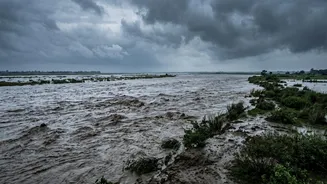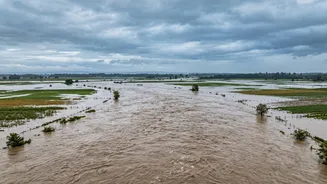







High Alert Across Dozens of Districts
In response to torrential rain and flash floods in Nepal, both Bihar and Uttar Pradesh have intensified vigilance in districts bordering the country. Bihar has placed at least nine districts—including West Champaran, East Champaran, Gopalganj, Muzaffarpur,
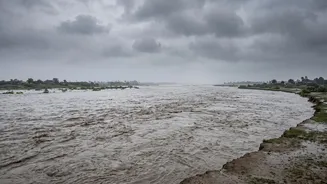
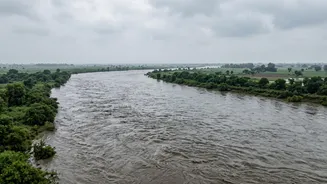
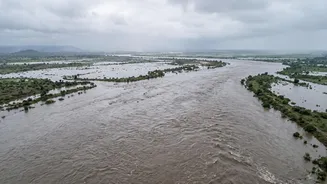
and Sitamarhi—under heightened surveillance. These areas are particularly vulnerable to rising water levels in the Gandak and Kosi river systems. Similarly, Uttar Pradesh has directed the administrations in Maharajganj and Kushinagar districts to remain on high alert. These eastern UP districts face a direct threat from the Gandak and Narayani rivers, which can swell rapidly due to heavy discharge from upstream in Nepal.
Engineering and Infrastructure Interventions
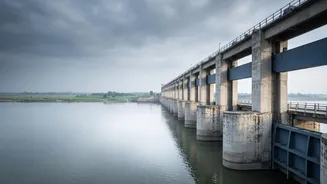
A primary line of defense involves managing river flow through barrages. In Bihar, authorities took the crucial step of opening all 36 gates of the Gandak Barrage at Valmikinagar in West Champaran to manage the surge of water. This action is designed to regulate the flow and prevent a dangerous buildup of pressure on the structure. Alongside this, technical teams and engineers from the Water Resources Departments in both states have been deployed to continuously monitor embankments, canals, and other critical water infrastructure. The leave for many of these field personnel has been cancelled to ensure round-the-clock surveillance and immediate response to any breaches.
Mobilizing Disaster Response Teams
Human intervention is a critical component of the preparedness strategy. Multiple teams from the National Disaster Response Force (NDRF) have been mobilized and deployed in both states. In Bihar, NDRF teams have been sent to Gopalganj and Bettiah, with another on standby in Muzaffarpur, specifically targeting the Gandak river basin. Uttar Pradesh has also seen deployment of NDRF teams, with one stationed in Kushinagar to handle any emergencies. These federal teams are supported by the State Disaster Response Force (SDRF) and local police, who are prepared for rescue and relief operations. The Sashastra Seema Bal (SSB), which guards the border, has also alerted its formations and deployed teams for potential relief efforts.
Evacuations and Public Warnings
Protecting citizens in low-lying areas is a top priority. Authorities in both states have begun issuing public warnings and, in some cases, initiating evacuations. In West Champaran and Vaishali districts in Bihar, people living in vulnerable low-lying areas have been urged to move to safer locations. Announcements are being made via public address systems in sensitive areas to ensure residents are informed of the potential danger. In Kushinagar, UP, the administration has ordered evacuations from several villages and is using public announcements to guide residents to safety. Evacuation plans, community kitchens, and relief shelters are being kept ready to support displaced populations.
High-Level Coordination
The response is being coordinated at the highest levels of government. Union Home Minister Amit Shah has spoken with the Chief Ministers of both Bihar and Uttar Pradesh, assuring them of all possible assistance from the central government. In Patna, Bihar's Chief Secretary Pratyaya Amrit held an urgent meeting with District Magistrates and senior officials to direct round-the-clock surveillance. In Uttar Pradesh, Chief Minister Yogi Adityanath has personally directed officials in the border districts to ensure all preparedness measures are in place. This high-level oversight ensures that resources are mobilized efficiently and that there is a clear chain of command in this fast-developing situation.