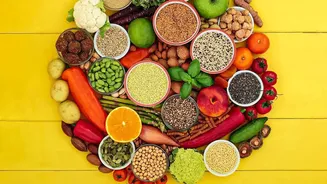







Winter often brings cravings for warm, heavy comfort foods. But nourishing your body and staying healthy doesn't mean giving up satisfying meals. Here are six common seasonal foods that can add flavour, warmth, and essential nutrients to your plate.
Vibrant Carrots (Gajar)
A
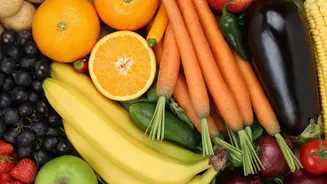
staple in Indian winters, carrots are packed with beta-carotene, which the body converts into Vitamin A. This nutrient is crucial for maintaining strong vision, especially with fewer daylight hours, and for bolstering your immune system to fight off seasonal colds. Carrots are also rich in fibre, which aids digestion and helps you feel full, potentially managing the weight gain sometimes associated with winter. While 'gajar ka halwa' is a beloved treat, you can also enjoy this versatile vegetable in soups, salads, and juices for a healthy boost. Their natural sweetness, which intensifies after a frost, makes them a delicious and healthy snack.
Leafy Spinach (Palak)
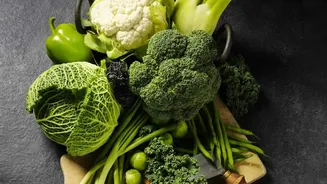
Spinach is a nutrient-dense green that thrives in the cold, which actually makes it taste sweeter. It is an excellent source of iron, which is vital for maintaining energy levels and preventing the fatigue that can set in during colder months. It’s also loaded with vitamins A, C, and K, as well as antioxidants that help protect your cells from damage. Vitamin K and calcium in spinach contribute to bone health, while its potassium content can help manage blood pressure. From classic 'palak paneer' to hearty soups and simple sautés, adding spinach to your meals is an easy way to enhance your winter diet.
Earthy Mustard Greens (Sarson)
The star of the iconic winter dish 'Sarson ka Saag', mustard greens are more than just a culinary tradition; they are a nutritional powerhouse. They are exceptionally rich in Vitamins A, C, and K. Vitamin C is a powerful antioxidant that strengthens the immune system, while Vitamin K is essential for bone health and proper blood clotting. These greens also provide a good amount of dietary fibre, which promotes a healthy gut and aids digestion. Their distinct peppery flavour adds a warming quality to meals, making them perfect for the season.
Fenugreek Leaves (Methi)
Fenugreek leaves, or methi, are a popular winter green in India, known for their slightly bitter taste and impressive health benefits. They are a good source of fibre and antioxidants. Traditionally, methi has been used to aid digestion and is believed to have properties that help in regulating blood sugar levels. The leaves are rich in iron, calcium, and several vitamins, including Vitamin C and Vitamin A precursors, which support overall health. Incorporating methi into your diet is simple – add it to flatbreads ('methi paratha'), dals, or vegetable curries for a nutritious and flavourful meal.
Zesty Oranges
Winter is peak season for oranges, and for good reason. These juicy fruits are famous for their high Vitamin C content, a key nutrient for a robust immune system that can help your body fend off infections like the common cold. Oranges are also a good source of hydration and dietary fibre, which supports digestive health. Beyond Vitamin C, they contain potassium, which is beneficial for heart health, and compounds like flavonoids that have anti-inflammatory properties. Enjoy them as a simple snack or as freshly squeezed juice to brighten up a gloomy winter day.
Potent Amla (Indian Gooseberry)
Amla is a traditional Ayurvedic superfood that truly shines in winter. It is one of the most concentrated natural sources of Vitamin C, containing far more than an orange. This makes it incredibly effective for boosting immunity and protecting the body from illness. Amla is also packed with antioxidants that help reduce inflammation and fight cellular damage. It supports digestive health, aids in the absorption of other nutrients like iron, and is beneficial for skin and hair, which can suffer during the dry winter months. You can consume it as a juice, in a pickle ('murabba'), or as a powder.