





Beyond Small Talk
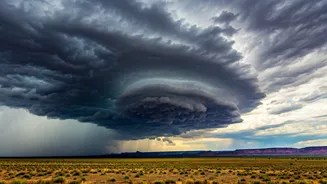
For generations, weather was the ultimate conversation starter, a neutral topic for light chitchat. But that conversation is changing. We’re no longer just talking about whether it’s hot or raining; we're discussing heatwave intensity, UV indices, and
the exact timing of a cyclonic storm. This evolution is at the heart of 'weather literacy'—the ability to find, understand, and act on weather information. It’s a skill moving from the niche to the necessary, transforming how we plan our days, protect our health, and safeguard our communities in an era of increasing climate volatility.
An App for Every Forecast
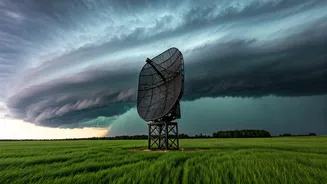
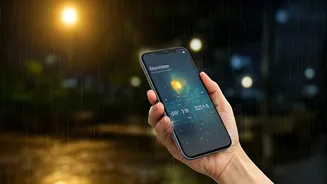
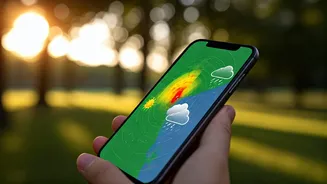
A major driver of this trend is the technology in our pockets. Sophisticated weather apps like AccuWeather, The Weather Channel, and the government's own MAUSAM app offer hyperlocal, real-time data that was once the domain of professional meteorologists. These apps provide everything from minute-by-minute precipitation forecasts to air quality alerts and detailed radar imagery. This accessibility empowers individuals to make informed decisions—whether it's a farmer timing their planting, a commuter rerouting to avoid a waterlogged street, or a parent deciding if the air is clean enough for their children to play outside.
A Climate of Extremes
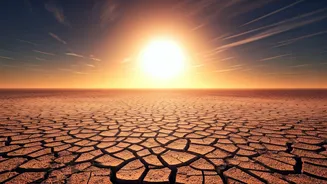
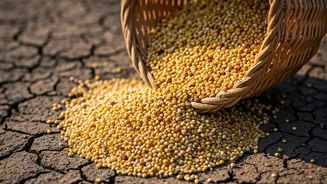
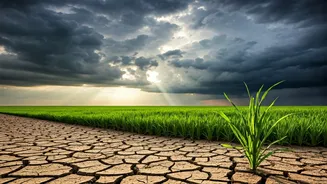
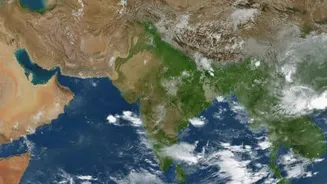
This thirst for weather knowledge is not happening in a vacuum. It is being driven by the harsh reality of India's increasing vulnerability to extreme weather events. Recent surveys highlight that a vast majority of Indians have personally experienced events like severe heatwaves, droughts, or floods. In 2023 alone, India witnessed extreme weather on nearly 90% of days. When record-breaking temperatures make headlines and erratic monsoons disrupt lives, understanding the 'why' and 'what's next' becomes a matter of safety and resilience. Public awareness and worry about these events are at an all-time high, pushing people to connect the dots between daily weather and long-term climate change.
The Rise of the Citizen Scientist
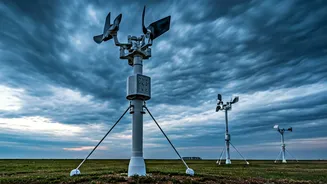
The increase in weather literacy is also fostering a culture of community participation. Across the country, citizen science projects are on the rise, with volunteers using apps and simple tools to monitor everything from local rainfall to air quality. In Pune, a community project has been meticulously recording rainfall, creating a valuable dataset that helps correlate rainfall patterns with groundwater levels. In cities like Gurugram and Patna, citizen scientists use sensors to collect hyperlocal air pollution data, empowering authorities to pinpoint pollution hotspots. These initiatives show that when people are equipped with knowledge and tools, they become active participants in building a more resilient future.
From Information to Action
As this new wave of weather literacy spreads through social media and community networks, it becomes a powerful tool for preparedness. From WhatsApp groups sharing real-time flood warnings to neighbours checking on the vulnerable during a heatwave, shared knowledge builds collective safety. The government is also leaning into this, with initiatives like Mission Mausam aimed at providing highly localised, panchayat-level forecasts to ensure information reaches the last mile. However, experts also caution about 'alert fatigue', where too many frequent warnings can lead to complacency. The key is to make alerts more targeted and actionable, ensuring that this newfound literacy translates directly into life-saving decisions.