






The Gentle Pace of a Casual Stroll
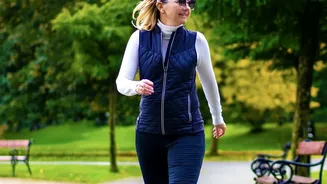
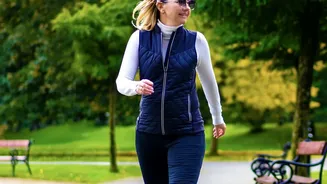
A casual stroll is what most of us do without thinking: ambling through a park, walking to a nearby shop, or chatting with a friend. The pace is relaxed, generally under 4 kilometres per hour. While it may not feel like a workout, it's far from useless.
This low-intensity activity is excellent for mental health, helping to clear your head and reduce stress. It's also gentle on the joints, making it a great option for older adults, those recovering from injury, or anyone starting a fitness journey. A casual walk helps improve blood circulation and provides light physical activity that contributes to your overall well-being, but its direct impact on cardiovascular health, stamina, and significant calorie burn is minimal. Think of it as a form of active recovery or a valuable mental break rather than a dedicated fitness session.
Defining the Brisk Walk
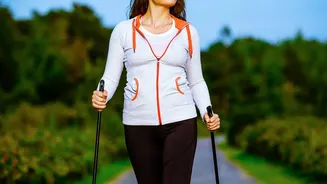
Brisk walking is where movement becomes intentional exercise. It’s generally defined as walking at a pace of about 5 to 7 kilometres per hour. However, speed isn't the only measure; effort is a more personal and accurate guide. A popular method to gauge your pace is the 'talk test'. During a brisk walk, you should be able to hold a conversation but not have enough breath to sing a song. If you can sing, you're strolling. If you can barely get a few words out, you're likely in vigorous territory. Another metric is your step count, or cadence. For most adults, a pace of at least 100 steps per minute is considered brisk. This level of effort elevates your heart rate into the moderate-intensity zone, which is the sweet spot for reaping significant health rewards.
The Powerful Benefits of Picking Up the Pace
Transitioning from a casual to a brisk walk is one of the most effective upgrades you can make to your fitness routine. This moderate-intensity exercise is recommended for at least 150 minutes per week and is linked to a host of powerful benefits. Brisk walking significantly strengthens your heart, helping to lower blood pressure, improve cholesterol levels, and reduce the risk of cardiovascular disease. It also burns more calories than strolling, aiding in weight management. Studies have shown that walking with purpose, such as for a commute, is often done at a brisker pace and has a greater positive effect on self-reported health than recreational walking. Furthermore, it can improve bone density, boost your immune system, and enhance cognitive health.
How to Walk with Purpose
To get the most out of your brisk walk, focus on your form. Stand tall with your head up, looking forward rather than down at your feet. Keep your shoulders and neck relaxed, and engage your core muscles. Let your arms swing freely with a slight bend at the elbows to help propel you forward. Instead of landing flat-footed, focus on a smooth, rolling motion from your heel to your toe. Avoid distractions like scrolling on your phone, as this can break the rhythm your heart and body need to maintain a consistent intensity. By adopting this purposeful technique, you not only enhance the workout but also reduce the risk of strain or injury.
Where Does Skipping Fit In?
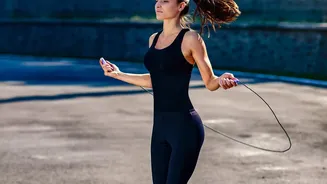
If brisk walking is a step up from strolling, skipping is a leap into high-intensity exercise. Using a jump rope is an incredibly efficient workout that burns a significant number of calories in a short amount of time. Some studies suggest that just 10 minutes of skipping can provide cardiovascular benefits similar to 30 minutes of jogging. In terms of energy expenditure, skipping is a vigorous activity with a Metabolic Equivalent of Task (MET) value of around 10 to 12.3, whereas brisk walking is a moderate activity with a MET value of about 4 to 5. This means skipping can burn more than twice the calories in the same amount of time. It's a fantastic tool for improving coordination, agility, and bone density, but it's also high-impact, so it may not be suitable for everyone, especially those with joint issues.
Choosing Your Best Move
The best exercise for you depends entirely on your goals, fitness level, and preferences. A casual stroll is perfect for mental relaxation, gentle movement, and social connection. Brisk walking is the ideal, accessible choice for improving heart health, managing weight, and meeting weekly exercise guidelines with minimal risk. It offers a sustainable, moderate-intensity workout that can be easily integrated into your daily life. Skipping is an excellent option if you're short on time and want a high-intensity, full-body workout that torches calories and boosts agility. You can also combine them: use brisk walking as your primary cardio and sprinkle in short bursts of skipping as a high-intensity interval to challenge your body in new ways.