




The roar of the crowd, the crack of the bat, the relentless pressure—what fuels an Indian cricketer through a high-stakes match? It's more than just talent. It's a precise, science-backed nutritional strategy designed for peak performance.
The Science of High Performance
Gone are the
days of greasy canteen food and dunking biscuits in tea before heading to the nets. Today's Indian cricket team operates like a squad of elite athletes, where diet is a critical tool for performance. The nutritional philosophy revolves around a few key principles: carbohydrates for sustained energy, lean protein for muscle repair and strength, and meticulous hydration to maintain focus and prevent cramping. Every meal is strategically planned, with team dietitians and nutritionists creating personalised plans that consider a player's role, the climate, and even their individual metabolism, which is sometimes assessed through DNA and blood tests.
Fueling Up: The Pre-Match Meal
A match day begins long before the first ball is bowled. About three to four hours before play, players consume a carefully balanced meal that is rich in complex carbohydrates but low in fat. This is designed to top up their glycogen (energy) stores without feeling heavy or sluggish. Common choices include oatmeal, poha, whole-wheat roti or brown rice, paired with a moderate amount of protein like boiled eggs, paneer, or a chicken sandwich. The goal is easily digestible fuel for the long hours ahead. Heavy, oily, or excessively spicy foods are strictly avoided as they can drain energy and slow a player down on the field.
A Glimpse into a Player's Plate
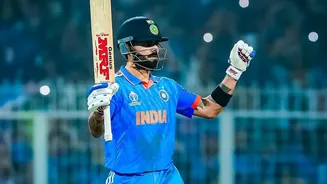
While team-wide principles exist, individual preferences and dietary needs play a huge role. Virat Kohli's disciplined diet is legendary. Having turned vegetarian in 2018, his meals are often steamed or boiled, focusing on plant-based proteins, quinoa, and vegetables, with minimal masala. He reportedly avoids most buffet food and is highly particular about his intake. Team captain Rohit Sharma is also known to follow a structured diet, especially during training and match cycles, focusing on lean proteins, complex carbs like brown rice and oats, and plenty of fruits and vegetables. For vegetarian players, staples like dal, pulses, paneer, and curd are crucial to meet protein requirements.
In-Game Energy and Hydration
During the intense, stop-start action of a cricket match, maintaining energy and hydration is a constant battle, especially in hot conditions. You'll often see players reaching for quick, easily digestible sources of energy during drinks breaks. Bananas are a near-universal favourite, providing a quick hit of carbohydrates and potassium. Dates, small energy bars, and electrolyte-rich sports drinks are also common sights in the dressing room and dugout. The key is small, frequent top-ups to prevent energy crashes and maintain concentration. Sipping water or sports drinks at regular intervals is non-negotiable to combat dehydration and fatigue.
The All-Important Lunch Break
In longer formats like Test matches or One Day Internationals, the lunch break is a crucial refuelling window. The meal is designed to be restorative but not so heavy that it induces lethargy for the afternoon session. A typical lunch spread might include grilled chicken or fish, paneer, dal, rice or roti, and a generous portion of salad and vegetables. In hot climates, buttermilk or curd is often added to aid hydration and digestion. The emphasis remains on a balanced plate that replenishes some of the energy lost without overloading the system.
Recovery: The Post-Match Protocol
The nutritional work isn't over when the last run is scored. What a player eats after a match is vital for muscle repair and recovery, ensuring they are ready for the next day's training or game. The golden window for recovery is within an hour after play ends. During this time, a combination of protein and carbohydrates is essential. This often comes in the form of a protein shake, chocolate milk, a meal of grilled chicken or fish with rice, or Greek yogurt with fruit. This combination helps to replenish depleted energy stores and provides the building blocks for muscles to repair and grow stronger.