








What Exactly Has Changed?
At its core, the change is simple yet revolutionary. The Reserve Bank of India (RBI) and the National Payments Corporation of India (NPCI) have enabled users to link their RuPay credit cards to popular UPI apps like Google Pay, PhonePe, and Paytm. This
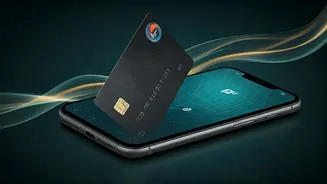
means you can now scan a merchant’s QR code and choose to pay with your RuPay credit card, just as you would with your bank account. Until now, UPI was strictly a debit-only affair, pulling money directly from your savings account. This new feature effectively turns your smartphone into a credit card terminal, merging the convenience of UPI with the flexibility of credit.
The Ultimate Convenience for Users
The primary appeal for consumers, especially the youth, is unparalleled convenience. Imagine you’re at a local café or a small shop. Previously, if you wanted to pay with a credit card, the merchant needed a Point-of-Sale (POS) machine. If they didn't have one, you had to pay with cash or your bank-linked UPI. Now, as long as the merchant has a UPI QR code—which millions do—you can use your credit line. You no longer need to carry your physical card for everyday purchases. This integration taps directly into the existing, deeply ingrained habit of 'scan and pay' that has become second nature for a generation of digital natives.
A Game-Changer for Small Businesses
This move is a massive win for small merchants and kirana store owners. The cost and hassle of maintaining a POS machine meant many small businesses were excluded from accepting credit card payments. With UPI now credit-enabled, their existing QR code instantly becomes a gateway for credit transactions. This can potentially increase their sales, as customers are often more willing to make larger or more frequent purchases when using credit. While there are discussions around the Merchant Discount Rate (MDR)—the fee merchants pay for card transactions—the current framework aims to keep it low for smaller transaction values to encourage widespread adoption, levelling the playing field between small shops and large retailers.
Why It Appeals to 'Young India'
The headline's focus on 'Young India' is crucial. This demographic is mobile-first, values frictionless experiences, and is increasingly open to formal credit. However, they are also a generation that skipped the credit card-swiping era and went straight to UPI. This feature meets them where they are. It offers an entry point into the world of credit without the perceived 'formality' of a physical card. For many young professionals and students, this could be their first experience with a credit line, allowing them to manage short-term liquidity needs, build a credit history, and access rewards—all through the familiar interface of their favourite payment app.
The Strategic Play for RuPay
Beyond user convenience, this is a masterful strategic move by NPCI to bolster its homegrown card network, RuPay. For years, the Indian credit card market has been dominated by international giants like Visa and Mastercard. By making RuPay the exclusive network for this UPI integration (at least for now), NPCI has given banks a powerful incentive to issue more RuPay credit cards. It creates a unique selling proposition that its global competitors cannot currently match in the Indian market. This drives the adoption of RuPay, strengthening India's self-reliance in the digital payments ecosystem and increasing its market share significantly.
The Flip Side: A Word of Caution
While the benefits are clear, the ease of access to credit also comes with risks. The seamless nature of UPI payments could make it easier for users, particularly those new to credit, to overspend. The line between 'want' and 'need' blurs when a payment is just a quick scan away, and the bill only arrives next month. It places a greater responsibility on individuals to track their spending and manage their credit responsibly. Missing payments on a credit card can lead to high interest charges and a negative impact on one's credit score, which can have long-term financial consequences. Financial discipline becomes more important than ever.