

The Principle of Vrat Foods
Navratri fasting, or 'vrat', involves abstaining from certain foods to purify the body and mind. The diet typically excludes grains like wheat and rice, lentils, onions, garlic, and processed items. Instead, the focus shifts to 'falahari' foods, which
are considered pure or 'sattvic'. This includes fruits, most vegetables, dairy products, rock salt (sendha namak), and specific pseudo-cereals and seeds. The three pillars of this diet are often kuttu, sama rice, and makhana, each offering a distinct set of benefits that make fasting a nourishing experience rather than a challenge.
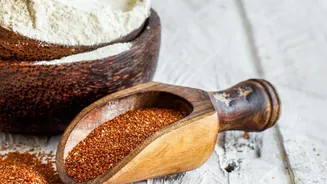
Kuttu (Buckwheat): The Power-Packed Flour
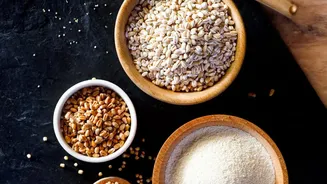
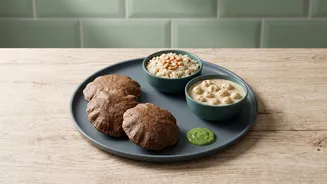
Despite its name, buckwheat or 'kuttu' is not a type of wheat. It is a pseudocereal—the seed of a fruit related to rhubarb—making it naturally gluten-free and permissible during Navratri. Its flour, kuttu ka atta, is prized for its rich, earthy flavour and incredible nutritional profile. It is packed with high-quality protein, containing all essential amino acids, and is an excellent source of dietary fibre. This combination provides sustained energy, helps regulate blood sugar levels, and promotes a feeling of fullness, which is crucial during fasting periods. Kuttu is also rich in minerals like magnesium, which is vital for muscle function and energy. It's most commonly used to make puris, parathas, and cheelas, offering a hearty and wholesome meal option.
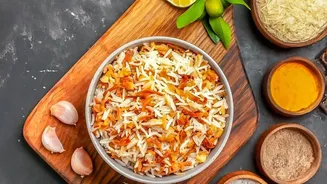
Sama Rice (Barnyard Millet): The Fasting Grain
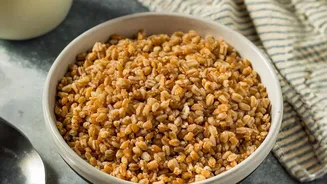
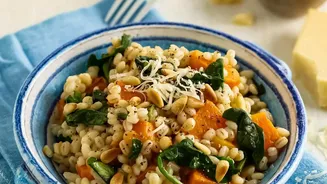
Sama rice, also known as barnyard millet, 'samvat ke chawal', or 'bhagar', is another fasting essential that isn't actually rice. These tiny, cream-coloured seeds are a type of millet, making them a permitted, gluten-free alternative to regular grains. Sama rice is celebrated for being light on the stomach and easy to digest. It has a low glycemic index, which means it releases energy slowly and prevents sharp spikes in blood sugar. It's also a good source of dietary fibre, protein, and essential minerals like iron and zinc. Its versatility is a major plus; it can be used to prepare a savory pulao with peanuts and potatoes, a comforting khichdi, or a sweet kheer, mimicking the role of rice in a traditional meal.
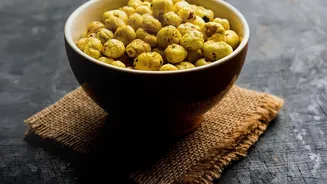
Makhana (Fox Nuts): The Ideal Fasting Snack
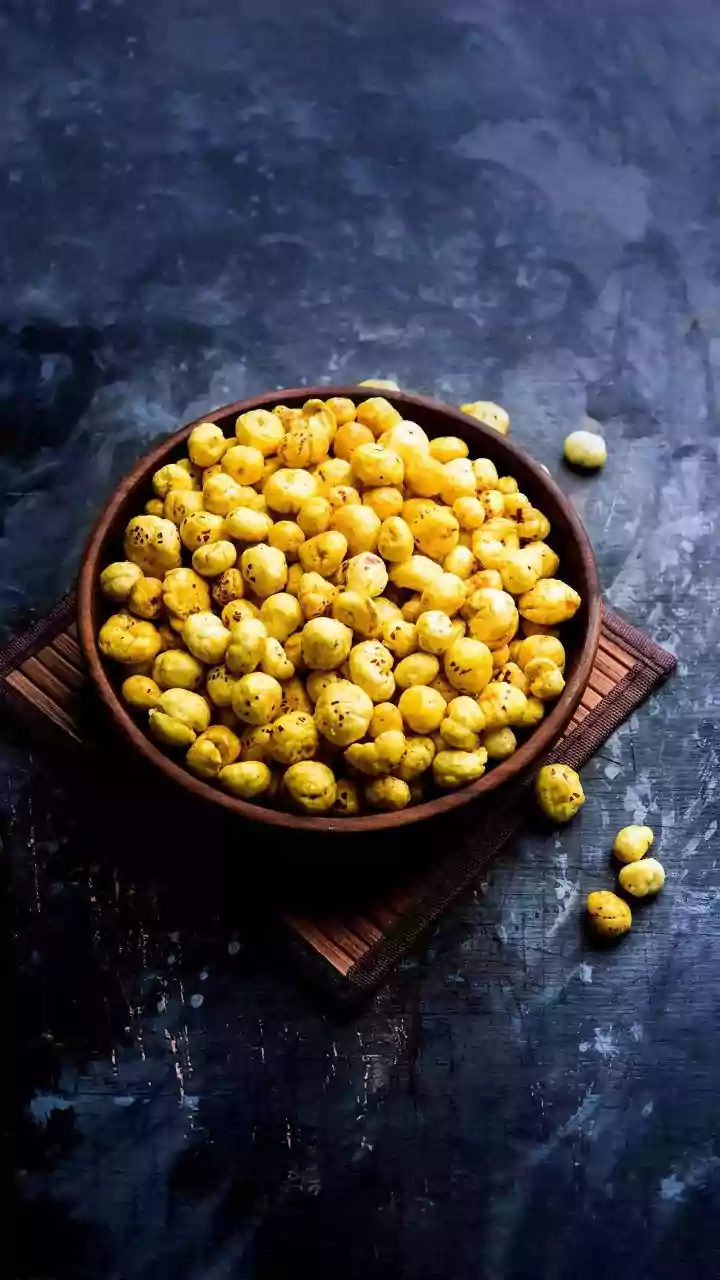
Makhana, or fox nuts, are the puffed seeds of the lotus flower and have become a go-to snack during Navratri. They are incredibly light, crunchy, and exceptionally nutritious. Low in calories, fat, and sodium, makhana is a guilt-free option to curb hunger pangs between meals. They are a fantastic source of protein and essential minerals like magnesium, potassium, and calcium. Their low glycemic index also makes them beneficial for maintaining stable energy levels. Traditionally, makhana is lightly roasted in a little ghee and seasoned with rock salt, creating a simple but satisfying snack. They can also be added to milk to make a creamy kheer or mixed with other nuts and fruits for a healthy trail mix.
Creating a Balanced Navratri Diet
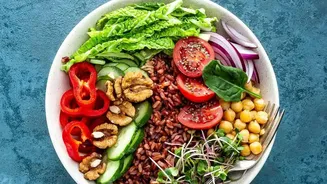
While kuttu, sama rice, and makhana form the core of the Navratri diet, a balanced approach is key. These staples should be combined with a generous intake of fruits, vegetables like potatoes, pumpkin, and cucumber, and dairy products such as yogurt and paneer. This ensures a well-rounded intake of vitamins, minerals, and proteins. Hydration is also essential, so drinking plenty of water, fresh fruit juices, and buttermilk is encouraged. By thoughtfully combining these permitted foods, you can ensure your body remains nourished and energized, allowing you to embrace the spiritual essence of the festival without compromising your health.