







The Foundation: Your Rights Under the DGCA
Your primary shield against flight disruptions is the Passenger Charter, enforced by the Directorate General of Civil Aviation (DGCA). These aren't just suggestions; they are legally binding rules called Civil Aviation Requirements (CAR) that all airlines
operating in, to, or from India must follow. They cover the three most common travel headaches: flight delays, last-minute cancellations, and being denied boarding, often due to overbooking. Understanding these rules is the first step to ensuring you receive what you're owed, whether that's a meal, a hotel room, a refund, or cash compensation.
When Your Flight is Delayed
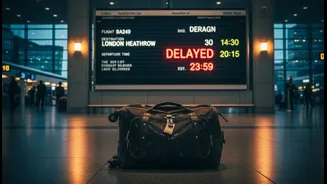
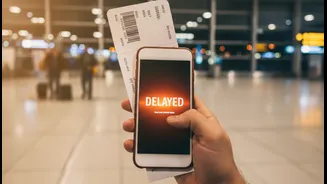
Patience wears thin at the airport, but knowing the clock is on your side helps. For delays, your rights kick in after two hours. If your flight is delayed by two hours or more, the airline is obligated to provide you with free meals and refreshments. If the delay extends to six hours or more for a domestic flight, you are entitled to choose between an alternate flight or a full refund of your ticket. For overnight delays, specifically those of six hours or more for flights scheduled between 8 p.m. and 3 a.m., the airline must provide you with hotel accommodation and transport to and from the airport. It's important to note that monetary compensation is generally not offered for delays alone; the focus is on passenger care and re-accommodation.
If Your Flight Gets Cancelled
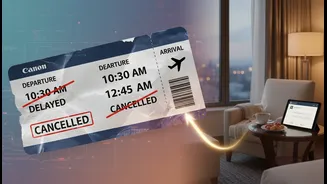
A cancellation notice can feel like a dead end, but you have options. If the airline cancels your flight and informs you less than two weeks before departure, they must offer you either an alternate flight or a full refund – the choice is yours. If they inform you between 24 hours and two weeks before, they must rebook you on an alternative flight. The real benefits kick in for last-minute cancellations. If the airline fails to inform you at least 24 hours prior, you are entitled to a refund or another flight, plus financial compensation. This compensation ranges from ₹5,000 to ₹10,000, depending on the block time of the original flight. Airlines are required to process card refunds within seven working days.
Denied Boarding: Your Highest Compensation
Airlines in India are legally permitted to overbook flights. If you have a confirmed ticket and are involuntarily denied boarding, you are eligible for the highest level of compensation. The airline must first ask for volunteers to give up their seats in exchange for benefits. If you are bumped against your will, and the airline arranges an alternate flight that departs within 24 hours, you are owed 200% of your one-way base fare plus fuel surcharge, capped at ₹10,000. If the alternate flight is more than 24 hours later, that compensation rises to 400% of the one-way fare, capped at ₹20,000. In addition to this payment, you are still entitled to a full refund if you decide not to take the alternate flight.
The 'Force Majeure' Exception
There is one major exception to cash compensation: 'force majeure' or extraordinary circumstances. These are events beyond the airline's control, such as extreme weather, political instability, or air traffic control restrictions. In these situations, the airline is not required to pay financial compensation for cancellations or delays. However, they are not completely off the hook. They must still provide you with either a full refund or book you on an alternative flight. Furthermore, the right to care—meals, refreshments, and accommodation for long delays—remains in effect even during force majeure events.
Your Action Plan: Claiming Your Rights
Knowing your rights is half the battle; enforcing them is the other. First, always approach the airline's staff at the airport. They are required to provide you with a written statement explaining your rights and the reason for the disruption. If they are uncooperative or you don't receive what you're entitled to, your next step is to file a formal grievance on the AirSewa portal (airsewa.gov.in) or its mobile app. This is a government platform managed by the Ministry of Civil Aviation that tracks passenger complaints. You can upload your ticket, boarding pass, and any other evidence. The airline is required to respond and resolve the issue in a time-bound manner. If you are still unsatisfied, you can approach a consumer court.