





The Backpacker Boom’s Hidden Cost
The modern Indian hostel is more than just a cheap bed. It's a social hub, a co-working space, and often, a full-service cafe. This evolution, however, comes with a high resource cost. Every shower, every flush, every load of laundry, and every cup of coffee
contributes to a significant water demand. While a single hostel’s consumption may seem small, the cumulative impact of this rapidly growing sector is substantial. A guest in a hotel can use anywhere from 300 to 400 litres of water per night, a figure many times greater than the average resident's consumption. Even budget-friendly hostels, with their high-density dorms and communal facilities running 24/7, are intensive water users. This puts immense pressure on local water supplies, especially in popular tourist destinations that are already water-stressed.
From Distant Threat to Business Crisis
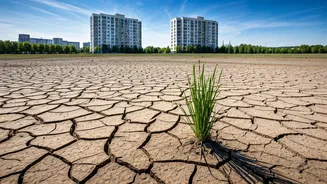
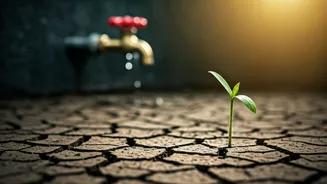
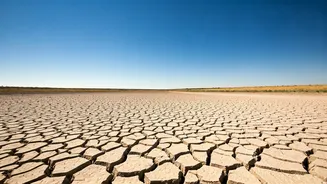
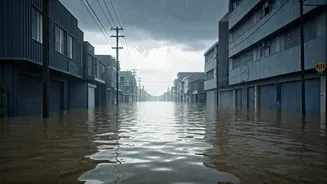
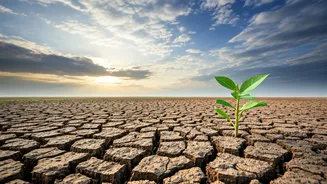
For years, water scarcity might have seemed like a far-off environmental issue. Today, it's a direct and immediate business risk. Cities like Bengaluru, Chennai, Delhi, and Mumbai have all faced severe water shortages in recent years, with delayed monsoons and depleted groundwater levels becoming the new normal. The NITI Aayog has warned that India is facing its worst water crisis in history, projecting that water demand will be twice the available supply by 2030. For a hostel owner, this isn't an abstract statistic. It translates to days when municipal water supply is cut, forcing them to rely on expensive and unreliable private tankers. It means the risk of having to close bathrooms or kitchens, leading to negative reviews and reputational damage. In tourist towns like Shimla, severe water shortages have directly led to tourists cancelling visits, crippling the local hospitality industry. The water crisis is no longer at the doorstep; it's inside the building.
Smart Solutions for Savvy Hostels
The good news is that addressing water stress is not just about sacrifice; it's about smart management. Hostels can implement a range of affordable, high-impact solutions. Installing low-flow fixtures like aerators on taps and efficient showerheads can significantly reduce consumption without compromising guest experience. Dual-flush toilets are another simple yet effective upgrade. Beyond fixtures, guest education plays a huge role. Simple signage encouraging shorter showers and participation in linen and towel reuse programs can cut down on laundry, a major water consumer. For forward-thinking owners, the next step is investing in systems like rainwater harvesting to collect monsoon runoff for non-potable uses like cleaning and flushing. Greywater recycling systems, which treat wastewater from showers and sinks for reuse in toilets and irrigation, can cut freshwater demand by up to 50%.
The Business Case for Going Blue
Ultimately, water conservation is not a cost centre but a powerful business strategy. Reducing water consumption directly lowers utility bills, boosting the bottom line. But the benefits go further. Today’s travellers, particularly the younger demographic that hostels cater to, are increasingly eco-conscious. A 2024 survey showed that nearly 73% of travellers prefer to stay in eco-certified hotels. Highlighting water-saving initiatives can be a powerful marketing tool, attracting guests who want to travel responsibly. In an industry built on community and shared values, demonstrating a commitment to conserving a shared, vital resource builds a stronger, more authentic brand. It signals a business that is not just surviving but is built to thrive resiliently in the future, adapting to the realities of its environment.