








Understanding Your Two Ages
Most of us only think about our chronological age—the number of candles on our birthday cake. But scientists are increasingly focused on a different metric: biological age. This reflects the health of your cells and tissues, essentially how old your body
seems from a physiological standpoint. Unlike your chronological age, which marches forward predictably, your biological age can be influenced by lifestyle. Factors like diet, exercise, stress, and sleep can speed it up or, as new research suggests, slow it down. Scientists can estimate this using biomarkers, such as patterns on your DNA, giving us a powerful tool to understand how our daily choices impact our long-term health and vitality.
The Yoghurt, Walking, and Diet Trial
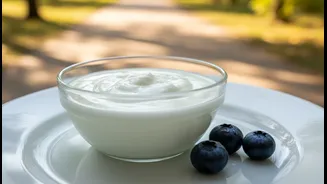
A recent Japanese study published in the journal Aging put this idea to the test with a refreshingly simple approach. Researchers recruited a group of overweight men between the ages of 50 and 74 for a 12-week program. The intervention was straightforward: participants were asked to eat 100 grams of plain, probiotic-rich yoghurt daily, get basic nutritional coaching to reduce snacking and sugary drinks, and walk for at least 30 minutes three times a week. Using an advanced method to measure the pace of aging, scientists found that the men in the program slowed their biological aging rate by an average of 2.2% compared to a control group who made no changes. This modest but significant shift suggests that accessible lifestyle changes can influence cellular health in a relatively short time.
Why This Simple Combination Works
The power of the program wasn't in any single element, but in their synergy. The researchers noted that the positive effect couldn't be pinned on just the yoghurt or just the walking. Probiotic yoghurt, especially varieties with strains like Bifidobacterium, supports a healthy gut microbiome, which plays a key role in reducing system-wide inflammation—a major driver of aging. Gentle, regular exercise like walking improves cardiovascular health, boosts metabolism, and helps manage weight, all of which contribute to a younger biological profile. Finally, the simple dietary advice to cut back on sugar and mindless snacking helps to reduce the overall metabolic load on the body. The study found the benefit was not directly tied to weight loss, indicating the healthy habits themselves were driving the change.
Your New Planning Question
This study gives health-conscious individuals a new, practical question to ask themselves: How can I build a sustainable routine around these three pillars? The focus shifts from chasing punishing workout goals or fad diets to integrating small, consistent, and enjoyable habits. Instead of asking, "How can I burn 500 calories?" the question becomes, "Where can I fit in a 30-minute walk today?" Instead of overhauling your entire diet, it’s, "Can I swap my usual snack for a serving of plain yoghurt?" This reframing makes a healthy lifestyle feel less like a chore and more like a simple, daily practice of self-care. It’s about creating a foundation of wellness that you can easily maintain for years, not just for a few weeks.
How to Put It Into Practice
Adopting this framework is straightforward. For your daily yoghurt, choose plain, unsweetened varieties with live active cultures listed on the label; the study used one with Bifidobacterium longum BB536. You can add your own fruit for flavour. For walking, consistency is more important than intensity. A brisk 30-minute walk during your lunch break, after dinner, or while listening to a podcast is all it takes. The goal is to make it a non-negotiable part of your day, at least three times a week. On the diet front, focus on one small change at a time. Start by eliminating sugary drinks or reducing processed snacks. The goal isn't perfection but gradual improvement that supports the positive effects of the yoghurt and walking.