





What is the Gaganyaan Mission?
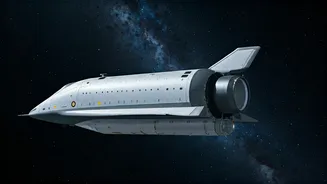
Gaganyaan, which translates to "celestial vehicle" in Sanskrit, is the Indian Space Research Organisation's (ISRO) ambitious programme to send humans into space. The mission's primary objective is to launch a crew of three Indian astronauts into a low
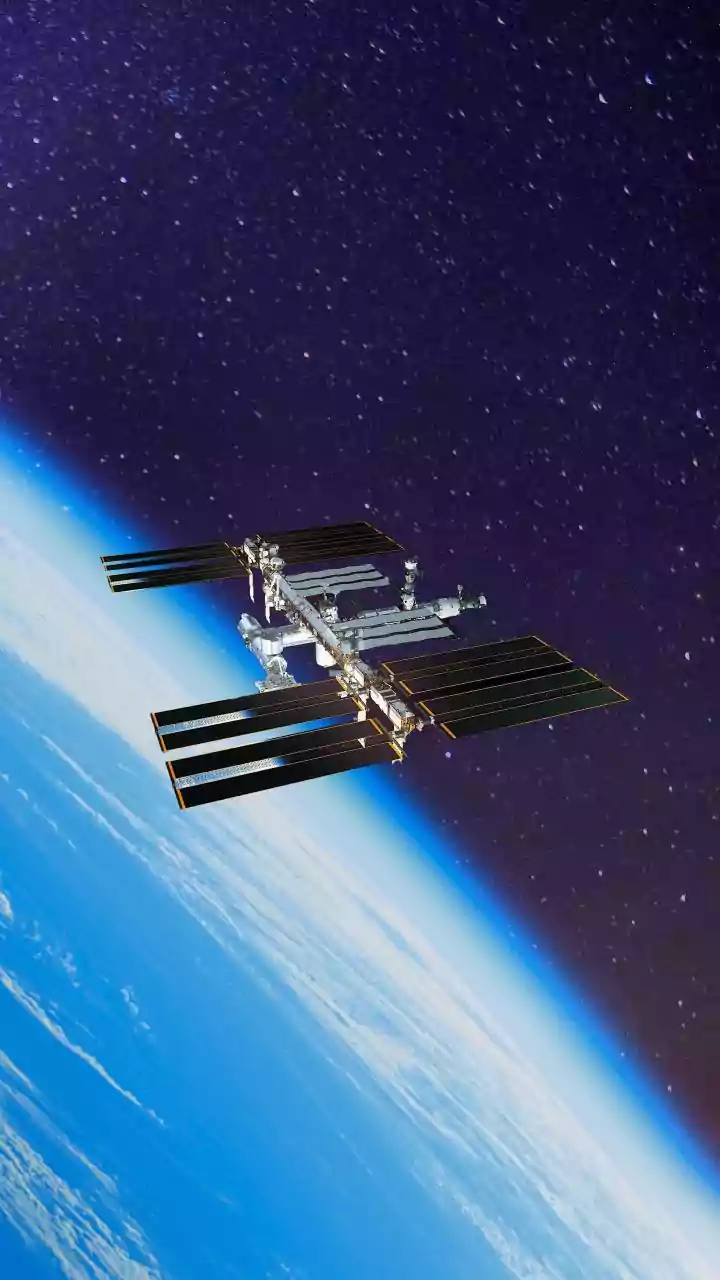
Earth orbit of 400 kilometres. They will spend three days in space before returning safely to Earth, splashing down in the Indian Ocean. This landmark project will make India the fourth country in the world, after the United States, Russia, and China, to have an independent human spaceflight capability. The mission is not just a demonstration of technical prowess but a major step towards developing future capabilities like building a space station and conducting interplanetary missions.
The Crucial Parachute Trial
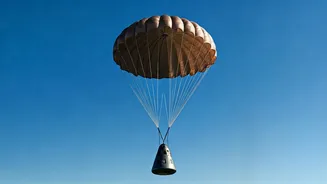
The latest major milestone for Gaganyaan was the successful completion of a key parachute test. Astronaut safety is the absolute top priority in any human spaceflight mission, and the system responsible for slowing down the crew module during its fiery re-entry through Earth's atmosphere is one of the most critical. The test, known as an Integrated Main Parachute Airdrop Test (IMAT), involved dropping a simulated crew module from a high altitude to validate the complex parachute deployment sequence. This ensures the spacecraft can decelerate safely from high speeds to a gentle splashdown. The system is incredibly complex, using a sequence of ten different parachutes of four types—including smaller drogue parachutes for initial stabilisation and massive main parachutes for the final descent.
Why This Test Matters So Much
A successful landing is as important as a successful launch. The parachute system has to work flawlessly under extreme conditions. To ensure this, ISRO has been conducting a series of rigorous tests. This recent trial specifically tested an extreme scenario where one of the main parachutes has a delayed opening. By proving the system can handle such a critical failure, ISRO has demonstrated the robustness and reliability of the design. The system is designed with redundancy, meaning that even if one of the three main parachutes fails, the remaining two are sufficient to ensure a safe landing for the astronauts. Successfully passing this test builds immense confidence and allows ISRO to move forward with the next phases of the Gaganyaan programme, knowing the crew's return journey is secure.
The Path to the Launchpad
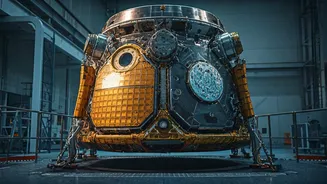
This parachute test is one of many building blocks in a long and methodical campaign. ISRO has already conducted thousands of ground tests, validating everything from life support systems to the crew escape mechanism. The entire Gaganyaan project is being executed with a 'human-rating' philosophy, which means every single component, from the LVM3 launch vehicle to the smallest switch inside the capsule, is being re-configured and tested for the highest standards of safety and reliability. Before any astronaut boards the spacecraft, ISRO plans to conduct a series of uncrewed test flights. These flights will act as full dress rehearsals, testing the rocket, the crew module's flight, re-entry, and recovery from start to finish, with a humanoid robot named Vyommitra onboard to simulate human presence.
What's Next for Gaganyaan?
With the parachute system now qualified, the focus shifts to these uncrewed test flights. The first of these, designated G1, is a major event on the horizon. These missions will provide invaluable data on the performance of all systems in a real space environment. Following the successful completion of the uncrewed missions, the final step will be the historic crewed launch. While timelines are always subject to revision to ensure absolute safety, the first crewed flight is anticipated for 2027 or shortly thereafter. This mission will carry the four astronaut-designates, who have been undergoing extensive training in India and abroad, preparing for every aspect of their journey into orbit.