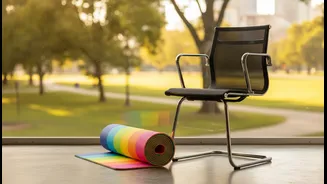









The Two Pillars of Physical Activity
To build a truly effective fitness plan, it’s crucial to understand its two core components: structured exercise and everyday activity. Structured exercise is what we typically think of as a 'workout'. It’s planned, intentional, and repetitive, designed
to improve a specific aspect of fitness. This includes activities like going for a run, lifting weights at the gym, attending a dance class, or swimming laps. Health authorities generally recommend adults get at least 150 minutes of moderate-intensity aerobic activity or 75 minutes of vigorous-intensity activity per week, plus muscle-strengthening activities on two or more days. Everyday activity, on the other hand, is the movement you do throughout the day that isn't formal exercise. Often called Non-Exercise Activity Thermogenesis (NEAT), this includes walking to the bus stop, taking the stairs, doing household chores, gardening, or even fidgeting at your desk. While each individual movement seems small, their cumulative effect on your total daily energy expenditure can be surprisingly large—sometimes even greater than a formal workout.
Why Your Workout Alone Isn't Enough
Dedicating an hour to the gym is commendable, but it cannot completely undo the negative effects of being sedentary for the other 23 hours. This is often referred to as being an 'active couch potato'. Research increasingly shows that prolonged sitting is an independent health risk, even for those who meet weekly exercise guidelines. An inactive lifestyle, marked by long hours of sitting, is linked to a higher risk of heart disease, type 2 diabetes, obesity, and even certain cancers. When you sit for extended periods, your metabolism slows, your body becomes less efficient at regulating blood sugar and fats, and your circulation can be impaired. Your muscles, particularly in the legs and glutes, can weaken, and poor posture can lead to aches and pains. This highlights a critical gap in a fitness plan that relies solely on isolated bouts of intense exercise. While your workout is vital, it's what you do the rest of the day that helps sustain your health.
The Compounding Power of Everyday Movement
This is where everyday activity, or NEAT, becomes your greatest ally. Think of it as the consistent, low-level hum of calorie burning that keeps your metabolic engine running all day long. The energy expended from small movements like taking the stairs, pacing while on a phone call, or doing yard work adds up significantly. This constant activity helps maintain a higher metabolic rate, improves insulin sensitivity, and supports better overall health. Incorporating more NEAT into your day is often more sustainable than adding another grueling workout. It doesn't require special equipment or a gym membership. It's about shifting your mindset to see opportunities for movement everywhere: parking farther from the store entrance, choosing to walk for short errands, or simply standing up and stretching every hour. These habits weave activity into the fabric of your life, making it automatic rather than a chore.
The Perfect Partnership: How They Work Together
The true magic happens when you combine structured exercise with consistent everyday activity. They aren't mutually exclusive; they're synergistic. Structured exercise provides the targeted stress needed to build cardiovascular endurance, muscle strength, and bone density. It pushes your body to adapt and become more resilient. Everyday movement, in turn, supports these goals. It keeps your muscles pliable, prevents the metabolic slowdown from sitting, aids in active recovery between workouts, and reduces the overall risk of injury by preventing the stiffness and weakness associated with a sedentary lifestyle. A brisk walk on your 'rest day' isn't just burning a few extra calories; it's improving blood flow, reducing muscle soreness, and reinforcing the healthy habits that support your more intense training sessions. This balanced approach builds a more well-rounded, functional fitness that prepares your body for the demands of both sport and daily life.
Building Your Hybrid Movement Plan
Creating a plan that incorporates both is simpler than it sounds. Start with the recommended guidelines: aim for your 150 minutes of moderate-intensity exercise, broken into sessions you enjoy, like three 50-minute bike rides or five 30-minute brisk walks per week. Add two days of strength training, which can be bodyweight exercises at home or lifting weights at a gym. Next, focus on increasing your everyday movement. Use a fitness tracker to set a daily step goal or simply make a conscious effort to sit less. Break up long periods of sitting with short, 5-minute walks. Take the stairs whenever possible. Turn phone calls into 'walk and talks'. Do squats while waiting for your food to heat up. Find activities you genuinely enjoy, whether it's gardening, dancing in your living room, or playing with your kids at the park. The key is consistency, not intensity. Every little bit counts and contributes to the bigger picture of your overall health.