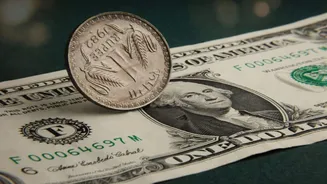








The Rupee and the Dollar: A Quick Explainer
At its core, an exchange rate is simply the price of one currency in terms of another. For India, the most-watched rate is the one between the Indian Rupee (INR) and the US Dollar (USD), because most global trade, including for essential commodities like
crude oil, is priced in dollars. When you hear that the rupee has 'weakened' or 'depreciated', it means you need more rupees to buy a single US dollar. For example, if the rate moves from ₹85 to ₹90 per dollar, the rupee has weakened. Conversely, if it moves from ₹90 to ₹85, the rupee has 'strengthened' or 'appreciated', and your rupees now have more purchasing power abroad.
A Weaker Rupee Means Pricier Imports
This is where it hits your budget. A vast number of products and components are imported into India and paid for in foreign currency, usually dollars. This includes everything from the chipset in your smartphone and the panels in your TV to the machinery used in factories. When the rupee weakens, Indian companies that import these goods have to spend more rupees to pay the same dollar price. This increased cost is often passed on to the consumer. A phone that costs a company $500 to import would require ₹42,500 at an exchange rate of ₹85/$. But if the rupee weakens to ₹95/$, that same phone suddenly costs the importer ₹47,500, a difference that will likely show up on the final retail price tag.
Gadgets, Fuel, and Streaming Services
The impact of a weaker rupee is widespread. Electronics and consumer goods, a large portion of which are imported, are prime examples of where consumers feel the pinch. It also directly affects fuel prices. Since India imports the majority of its crude oil, a weaker rupee makes every barrel more expensive in local currency, leading to higher prices at the petrol pump even if global oil prices don't change. Even your international subscriptions for streaming, software, or gaming platforms can be affected. While some companies absorb these costs, others adjust their Indian pricing to reflect the new reality of the exchange rate.
The Cost of Travel and Overseas Education
The rupee's value has a profound impact on anyone planning to travel or study abroad. A weaker rupee makes foreign destinations more expensive because your rupees convert into fewer dollars, pounds, or euros. This is especially critical for the thousands of Indian students studying overseas. A depreciation of just a few rupees against the dollar can add lakhs to the total cost of tuition fees and living expenses over the course of a degree. A student who needed ₹50 lakh for a year's expenses at an exchange rate of ₹83 per dollar would need around ₹57 lakh if the rate moved to 95, a substantial increase that can strain family budgets and education loans.
Is a Strong Rupee Always Better?
While a strong rupee is great for consumers who buy imported goods or travel abroad, it presents challenges for other parts of the economy. A stronger rupee makes Indian exports more expensive for foreign buyers. This can hurt the competitiveness of export-oriented industries like IT services, textiles, and pharmaceuticals, which earn their revenue in dollars but pay their expenses, like salaries, in rupees. When the rupee strengthens, their dollar earnings translate into fewer rupees, potentially squeezing their profits. Therefore, policymakers often aim for a stable currency rather than a currency that is too strong or too weak, balancing the interests of both importers and exporters.