



From Pet to Family Member
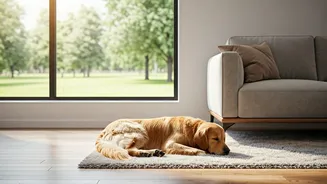
The single biggest reason for this trend is a profound emotional shift in our relationship with animals. Across urban India, particularly in nuclear families, pets are no longer just guards or companions; they are integral members of the family. This
'humanisation' of pets means their needs—for comfort, safety, and recreation—are now given similar weight to human needs when choosing a home. People talk about being ‘pet parents’, not just ‘pet owners’. This change in mindset is the foundation upon which the entire pet-friendly housing market is being built. When a dog or cat is seen as a child, finding a home that welcomes them isn't a bonus, it's a non-negotiable requirement.
The Millennial & Gen Z Effect
Demographics are a huge driver. As millennials and Gen Z become a dominant force in the real estate market, their priorities are reshaping demand. This is a generation that is often delaying traditional life milestones like marriage and having children, but they are enthusiastically adopting pets. For many young urban professionals, a pet offers companionship and a sense of family in a new city. When they search for a rental apartment or their first home, 'pet-friendly' is often one of the top filters they use. Their willingness to pay a premium for properties that accommodate their lifestyle has sent a clear signal to landlords and developers: catering to pets is good business.
Developers and Landlords Respond
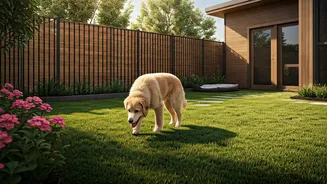
The real estate industry has been paying close attention. In a competitive market, pet-friendly amenities have become a key differentiator. It's no longer enough to simply allow pets. Leading developers in cities like Bengaluru, Mumbai, and Gurugram are now actively designing projects with pets in mind. We're seeing the rise of dedicated pet parks, dog-washing stations, and even organised 'yappy hours' for residents and their four-legged friends. Some high-end complexes offer on-call vet services or grooming facilities. For landlords in the rental market, being pet-friendly opens up a larger, often more responsible, pool of tenants who are typically willing to stay longer.
Designing for Paws and Claws
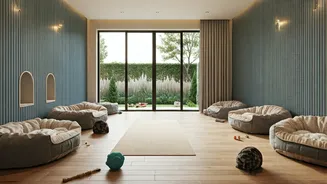
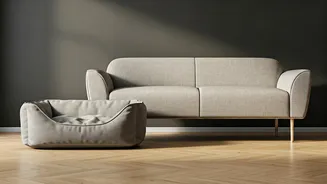
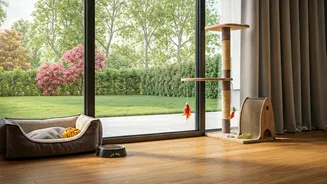
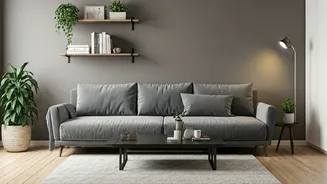
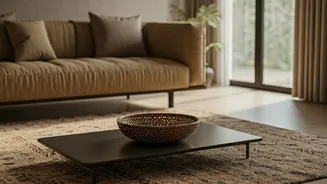
The trend extends beyond community amenities and into the very design of our living spaces. Interior design is adapting to a life shared with animals. This means a move towards durable, easy-to-clean materials. Think scratch-resistant laminate or vitrified tile flooring instead of easily damaged hardwood, and performance fabrics on sofas that can withstand a bit of mud and fur. We're also seeing more creative, built-in solutions: stylishly integrated pet beds, 'catios' (enclosed patios for cats) on balconies, hidden litter box furniture, and kitchen islands with dedicated nooks for food and water bowls. The goal is to create a space that is functional and safe for the pet without sacrificing style for the human.
The Community Connection
A truly pet-friendly home exists within a pet-friendly ecosystem. The trend isn't just about the four walls of a house; it's about the neighbourhood. Homebuyers and renters are now actively looking for communities with accessible green spaces for walks, nearby veterinary clinics, and a growing number of pet-friendly cafes and shops. The presence of these facilities is a strong indicator of a tolerant and welcoming community vibe. A beautiful apartment loses its appeal if the surrounding area is hostile to pets. This holistic view—considering the home, the building, and the neighbourhood—is a hallmark of the modern pet parent's property search.