



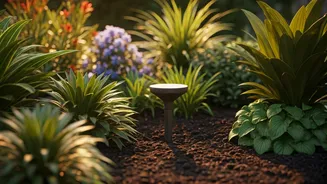


From Garden to Habitat
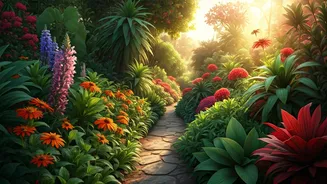
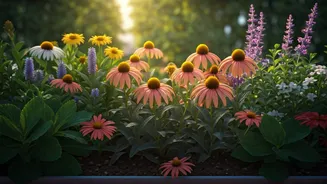
At its heart, this trend is a shift in perspective. It's about transforming our personal green spaces—whether a sprawling garden, a modest balcony, or a single window box—from purely ornamental displays into thriving, miniature ecosystems. Instead of
choosing plants just for their looks, this approach prioritizes native species: the trees, shrubs, and flowers that have evolved for millennia in your specific region. The goal is simple yet profound: to create a habitat that supports local wildlife, from the tiniest insects to birds and butterflies, effectively 'rewilding' our urban and suburban landscapes, one patch at a time.
Why Nature Adores This Approach
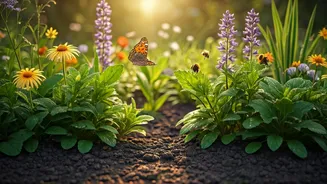
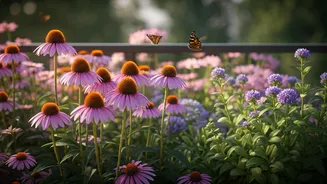
When you plant native species, you’re plugging into an ancient, established network. Local pollinators like bees, butterflies, and moths recognise these plants as a reliable food source. For instance, planting a native flowering bush provides nectar for adult butterflies and leaves for their caterpillars to feed on—completing a crucial life cycle that an exotic plant simply cannot support. Furthermore, native plants are brilliantly adapted to the local climate and soil. They typically require less water than non-native species, reducing your water bill and environmental footprint. They are also more resistant to local pests and diseases, which means you can ditch the harsh chemical pesticides and fertilisers, creating a safer space for both your family and the wildlife you’re attracting.
Your Starter Pack of Native Heroes
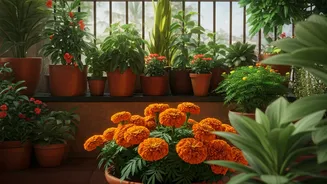
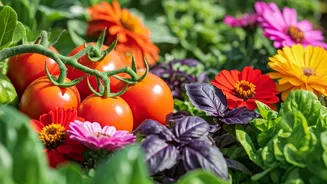
Getting started is easier than you think. Many of India's most beloved and culturally significant plants are perfect for this. Consider the humble Marigold (Genda), whose bright blooms are a magnet for beneficial insects. The vibrant Hibiscus (Gudhal) not only adds a tropical flair but is a favourite of sunbirds. Jasmine (Mogra or Chameli) fills the air with its intoxicating scent while providing nectar for nocturnal moths. And don't forget Holy Basil (Tulsi), a plant revered in countless households that also happens to be a powerhouse for attracting bees. These plants are widely available, easy to care for, and form the perfect foundation for your new habitat garden.
Think Like an Ecosystem
A true habitat is more than just plants. To take your efforts to the next level, think about providing the three key elements for wildlife: food, water, and shelter. You’ve covered food with your native plants. For water, a simple shallow dish (a 'bird bath' or 'bee bath') with a few pebbles for insects to land on can make a world of difference, especially during dry spells. For shelter, allow a small corner of your garden to be a little 'messy.' A small pile of dry leaves or a log can provide a crucial home for insects, lizards, and other small creatures that form the base of a healthy food web. Resisting the urge to be perfectly tidy is one of the most generous things you can do for nature.
Small Space, Big Impact
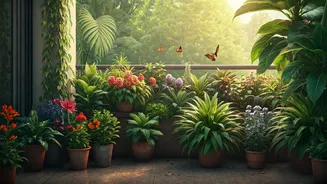
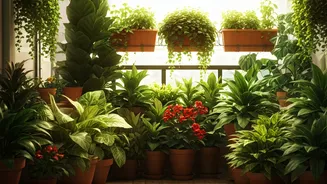
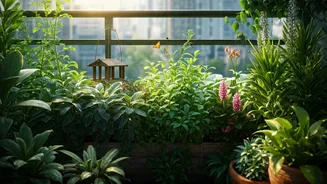
Living in an apartment shouldn't stop you from joining this green revolution. Container gardening on a balcony or windowsill can be incredibly effective. Choose a mix of native plants in pots of varying sizes. A flowering vine like the Bengal Clock Vine (Thunbergia grandiflora) can climb a trellis, creating a vertical green wall. Pots of curry leaves (Kadi Patta) will not only serve your kitchen but also host the caterpillars of the beautiful Common Mormon butterfly. Even a few pots of Tulsi and Marigold can create a vital pit-stop for urban pollinators navigating the concrete jungle. Every single flower counts.