


More Than Just Packing a Lunch
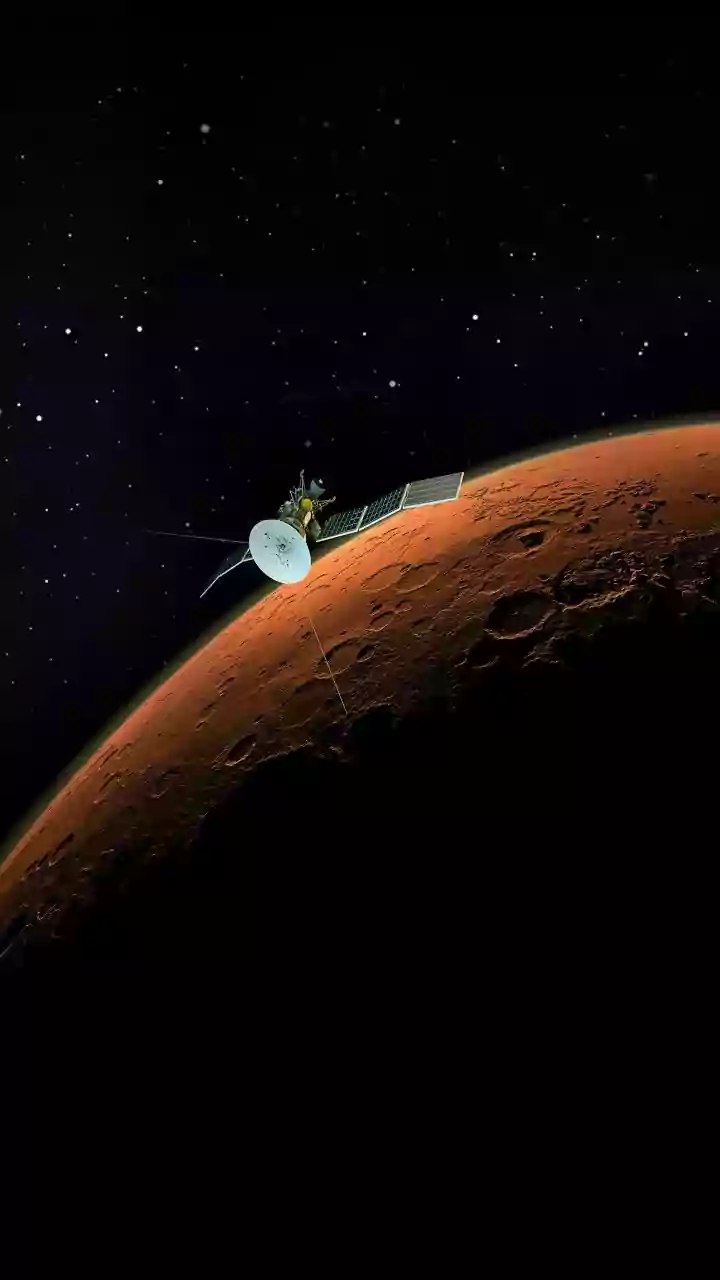
Sending humans into space is about more than powerful rockets and advanced capsules. A crucial component of astronaut well-being is food. For India's ambitious Gaganyaan mission, which aims to send Indian astronauts into orbit, ensuring they have nutritious,
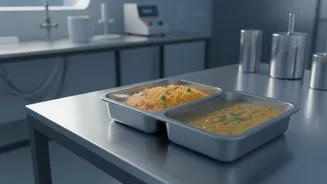
safe, and palatable meals is a complex scientific endeavour. This effort is a collaboration between several of the nation's top scientific bodies, with the Mysuru-based Defence Food Research Laboratory (DFRL) leading the charge in food preparation and key Hyderabad institutions contributing vital expertise in nutrition and technology.
Hyderabad's High-Tech Contribution
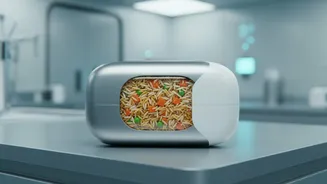
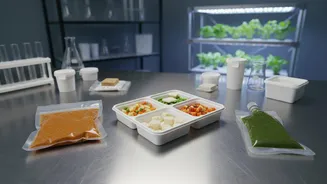
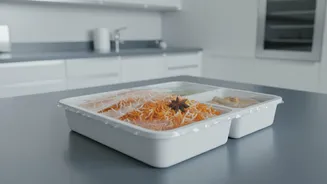
While DFRL in Mysuru has been developing the core food items, Hyderabad has emerged as a hub for the innovative science supporting this culinary space quest. The city's ICMR-National Institute of Nutrition (NIN) is meticulously designing astronaut diets, focusing on balancing micronutrients, antioxidants, and vitamin levels to counteract the physiological stresses of space. Researchers at NIN are developing specific items like mutton rolls and chicken nuggets, and are studying how to regulate fibre and sodium to maintain gut health in microgravity. Adding another layer of innovation, Hyderabad-based firm Ananth Technologies is engineering a smart 'tiffin box'—a sensor-fitted container that will hold the meals and allow ground control to monitor the food's condition, ensuring astronaut safety.
A Taste of Home in Zero Gravity
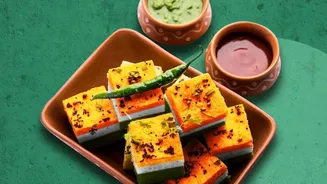
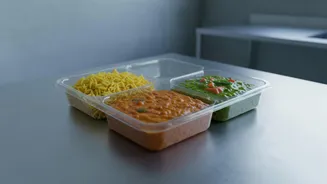
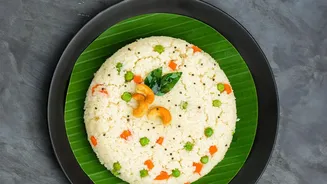
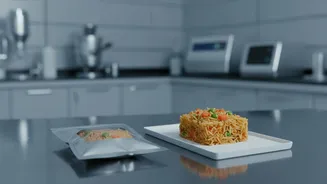
The menu being crafted for the Gaganyaan crew is a delightful nod to Indian cuisine, designed to provide psychological comfort millions of miles from home. The prospective menu features familiar favourites like idli with sambar, vegetable biryani, chicken korma, moong dal halwa, and various parathas. These are not just simple recipes; each dish must be re-engineered to work in space. They are processed to be light-weight, low-volume, and have a long shelf-life. Most importantly, they must produce minimal crumbs, as floating particles can become a serious hazard for sensitive spacecraft equipment.
The Unique Challenges of Dining in Orbit
Eating in space presents a unique set of problems. Without gravity, fluids shift to the head, often causing a stuffy sensation that dulls the senses of taste and smell, making food seem bland. This phenomenon was noted by Indian astronaut Shubhanshu Shukla during his 2025 mission to the International Space Station, where he found himself craving salty and spicy food. To combat this, scientists are developing meals that are flavourful, with some even considering optional spice sachets. Furthermore, everything from liquids, which require special drinking pouches, to seasonings like salt and pepper, which are used in liquid form to prevent them from floating away, must be specially designed for the zero-gravity environment.
Learning from Early Tests
The path to perfecting space food is paved with rigorous testing. In a clear example of the stringent standards, astronaut Shubhanshu Shukla revealed that of a large menu of Indian dishes prepared by DFRL for his ISS mission, only three—gajar ka halwa, moong dal halwa, and amras—were ultimately certified for flight by NASA due to the lengthy and complex qualification process. This experience, far from being a setback, has provided invaluable data for the Gaganyaan mission. It underscores the immense challenge of ensuring food is not only delicious but also stable, safe, and compatible with space hardware. Every lesson learned is a step towards ensuring India's first crew can enjoy a richer and more varied taste of home while making history.