

More Than Just 'Processed' or 'Not'
For years, the advice has been simple: avoid processed foods. Yet, much of what we eat undergoes some form of processing. Think of pasteurised milk, canned beans, or frozen vegetables—all are processed to enhance safety and shelf-life. The conversation
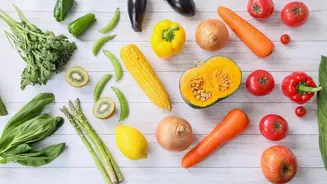
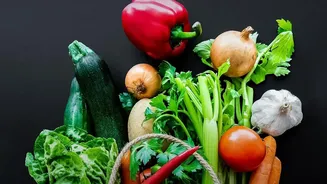
is now shifting thanks to a more nuanced framework called the NOVA classification system. Developed by researchers in Brazil, this system categorises foods into four groups based on their degree of processing. Group 1 is unprocessed or minimally processed foods, like fresh fruit, vegetables, and raw meat. Group 2 includes processed culinary ingredients like olive oil, butter, and salt. Group 3 is processed foods, such as canned fish, freshly made breads, and cheese. The final category, Group 4, is ultra-processed foods (UPFs), which is where health concerns are most concentrated.
Spotlight on Ultra-Processed Foods
Ultra-processed foods are industrial formulations made mostly from substances extracted from foods, along with additives like artificial colours, flavours, and emulsifiers. These are not just modified foods; they are complex products designed for hyper-palatability and a long shelf life. Think sugary drinks, packaged snacks and biscuits, instant noodles, and many ready-to-eat meals. Multiple studies have linked high consumption of UPFs to a greater risk of obesity, type 2 diabetes, heart disease, and other chronic conditions. They are often high in added sugar, salt, and unhealthy fats while being low in fibre and essential nutrients. This combination can lead to overconsumption of calories and displace more nutritious, whole foods from our diet.
A New Wrinkle in the Research
Interestingly, a major new study from Harvard presented in July 2026 adds a crucial layer to this discussion. Researchers analysed data from over 200,000 adults and found that the overall nutritional quality of a person's diet was a stronger predictor of long-term health than the level of processing alone. In other words, a healthy diet rich in plant-based foods was beneficial, even if it included some ultra-processed items like whole-grain bread or fortified cereals. Conversely, an unhealthy diet of minimally processed foods, such as those high in refined flours and sugar, was still detrimental. The study's authors argue that advising people to universally avoid all UPFs might be counterproductive, as some can be part of a healthy diet. This suggests we should prioritize the nutritional value of our food choices rather than focusing exclusively on the processing level.
The Benefits of Minimal Processing
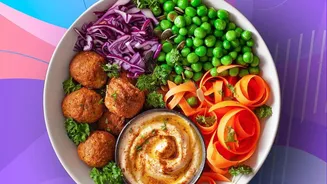
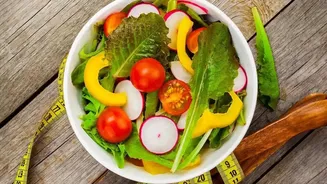
This new research doesn't give all processed foods a free pass. The consensus remains that a diet centred on whole and minimally processed foods is best for our health. These foods, like fresh fruits, vegetables, whole grains, and legumes, are nutrient-dense. They are typically higher in fibre, which aids digestion, helps control appetite, and supports a healthy gut. Research has shown that when people eat diets based on minimally processed foods, they tend to feel fuller, have fewer cravings, and consume fewer calories overall, even when allowed to eat as much as they want. These foods retain most of their natural vitamins, minerals, and antioxidants, which can be lost during intensive processing.
Making Smarter Choices at the Store
So, how can we apply this in our daily lives? The goal isn't to live a life free of any processed foods, which is impractical for most. Instead, the aim is to reduce reliance on ultra-processed items and build meals around whole or minimally processed ingredients. A simple strategy is to read the ingredient list. UPFs often contain a long list of ingredients you wouldn't use in a home kitchen, such as protein isolates, hydrogenated oils, and various cosmetic additives. Choosing canned vegetables without added salt, plain yogurt instead of flavoured varieties, or whole-grain bread over white are all simple swaps. Prioritising foods where you can still recognise the original ingredients is a powerful rule of thumb. It's about shifting the balance on your plate toward foods that are as close to their natural state as possible, while using processed and even some ultra-processed foods thoughtfully and sparingly.